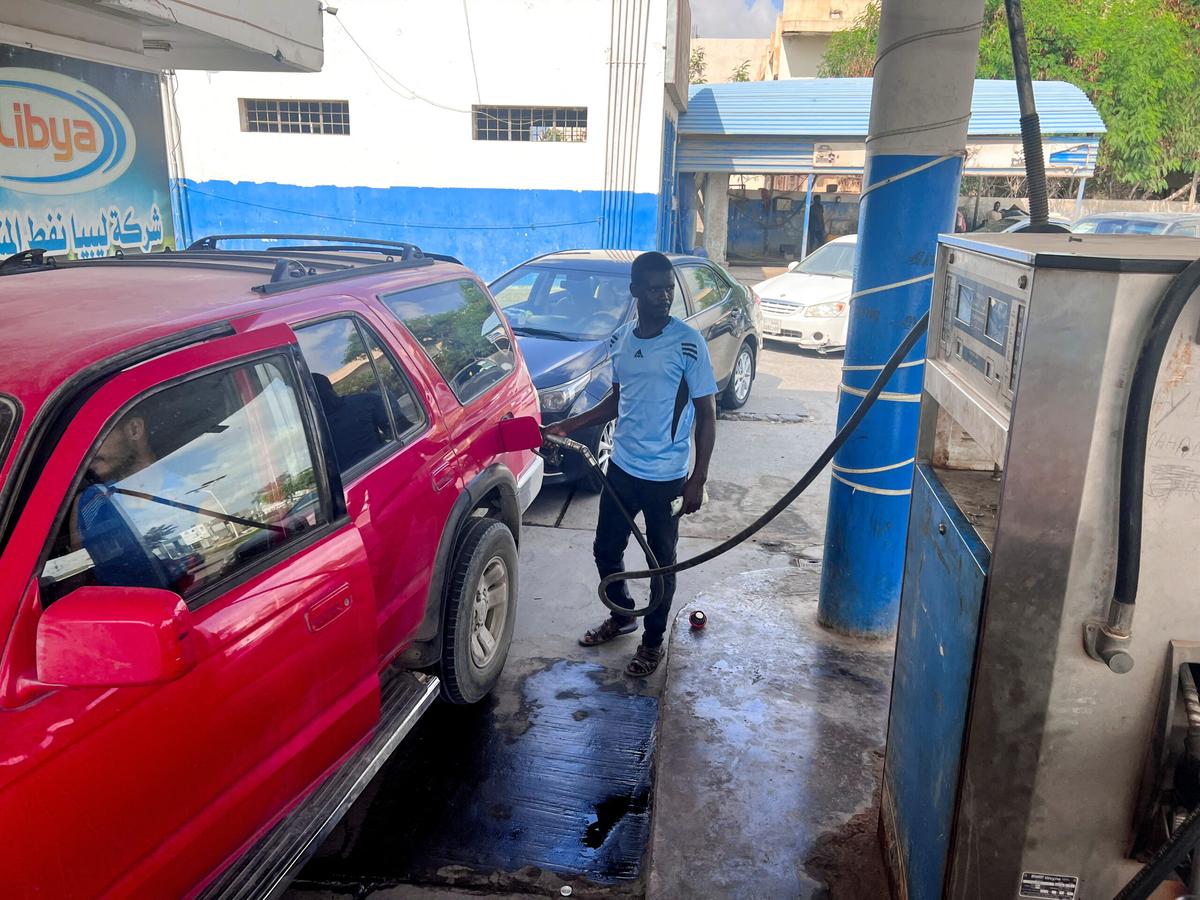
An Oil Windfall Will Not Fix Libya’s Economy
Why It Matters
The windfall alone cannot stabilize Libya’s economy; disciplined, transparent fiscal management is essential to prevent inflation and political fragmentation from eroding public welfare. Successful implementation of the unified budget could anchor both monetary stability and long‑term peace.
Key Takeaways
- •Libya produced 1.4 M bpd, targeting 1.6 M bpd by 2026.
- •Dinara devalued 13.3% (Apr 2025) and 14.7% (Jan 2026), widening price gaps.
- •Unified budget signed Apr 11, first in 13 years, ties caps to transparency.
- •U.S. urged to fund financial management, demand oversight, and prep sanctions.
Pulse Analysis
Libya’s recent oil windfall arrives at a precarious moment. Production has surged to 1.4 million barrels per day, and Brent prices near $100, promising a fiscal boost. Yet the Central Bank’s two devaluations—13.3% in April 2025 and another 14.7% in January 2026—have widened the gap between official and black‑market rates, pushing the parallel market to ten dinars per dollar. The resulting inflation has lifted the World Food Programme’s minimum expenditure basket by 27.7%, igniting public unrest and prompting IMF warnings that unchecked spending will magnify future vulnerabilities.
The April 11 unified budget marks the first coordinated fiscal framework in 13 years, linking a spending cap to transparency and oversight. It offers two divergent trajectories: a short‑term focus on stabilising the dinar and oil production, or a longer‑term commitment to accountable governance that addresses citizens’ priorities. International partners, including the United States and the World Bank, have signaled support, but the agreement’s success hinges on genuine implementation, independent monitoring, and a credible mechanism to curb parallel deficit spending that has historically fueled patronage networks.
U.S. policy can tip the balance toward the sustainable path. By financing public‑financial‑management technical assistance, pressuring Libyan leaders to publicly endorse transparent budget execution, and preparing targeted sanctions against entities obstructing oversight, Washington can reinforce fiscal discipline. Such a coordinated approach not only stabilises Libya’s currency and curbs inflation but also underpins broader regional security by reducing the fiscal incentives that fuel conflict. If the unified budget evolves into a transparent, accountable instrument, Libya’s oil wealth could finally translate into lasting prosperity rather than a fleeting windfall.
An oil windfall will not fix Libya’s economy
Comments
Want to join the conversation?
Loading comments...