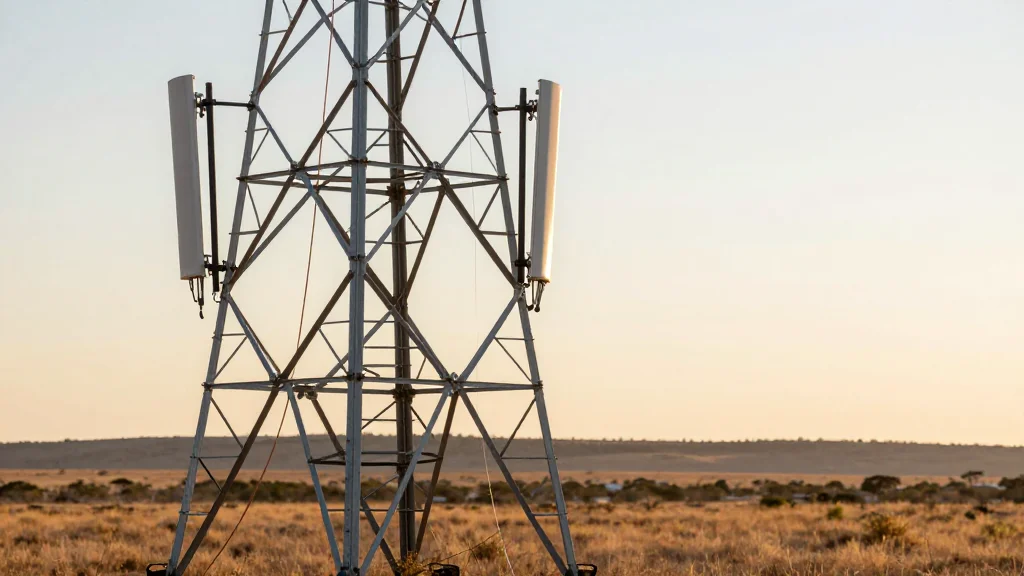
André De Ruyter’s Warning About Eskom Death Spiral Coming True
Companies Mentioned
Why It Matters
The erosion of Eskom’s core revenue base jeopardizes South Africa’s power reliability and fiscal stability while accelerating the region’s shift toward independent renewable power sources.
Key Takeaways
- •Export sales to Southern Africa could fall by $1 billion annually
- •Eskom’s domestic demand dropped 9.7% year‑on‑year in early 2026
- •Botswana, Namibia, Lesotho sign multi‑billion‑rand renewable deals
- •12.74% tariff increase aims to offset revenue shortfall
Pulse Analysis
Eskom, South Africa’s state‑owned power utility, has long relied on a steady stream of export sales to its eight Southern African neighbours to buffer domestic shortfalls. The latest parliamentary figures project R18.8 billion (about $1 billion) in export revenue for the year ending March 2026, but that figure is already under pressure as countries such as Namibia, Botswana and Lesotho lock in multi‑billion‑rand agreements with private renewable producers. The loss of this reliable cash flow comes at a time when Eskom faces R111 billion (≈$6 billion) in municipal debt, forcing the utility to seek higher tariffs and government bailouts.
The regional energy landscape is rapidly changing. Namibia’s AfDB‑backed green hydrogen project, Botswana’s pledge to source 50% of power from renewables, and Lesotho’s R102 billion (≈$5.5 billion) hydropower deal with Convalt Energy illustrate a continent-wide push for self‑sufficiency. Between 2018 and early 2026, South Africa’s regulator Nersa recorded over 19,300 MW of private generation, with retailers and miners adding solar capacity to cut reliance on Eskom. These developments erode the utility’s traditional customer base, reducing its domestic demand by nearly 10% year‑on‑year and prompting a 12.74% tariff increase in April to shore up revenues.
For South Africa, the stakes are high. A weakened Eskom could trigger more frequent load‑shedding, undermine industrial productivity, and increase fiscal pressure on an already strained budget. Policymakers face a choice: accelerate Eskom’s restructuring and integrate private renewable capacity into the national grid, or risk a deeper fiscal crisis fueled by continual bailouts. The trajectory suggests that without decisive reform, Eskom’s death spiral may become a permanent feature of the country’s energy outlook, reshaping the broader Southern African power market.
André de Ruyter’s warning about Eskom death spiral coming true
Comments
Want to join the conversation?
Loading comments...