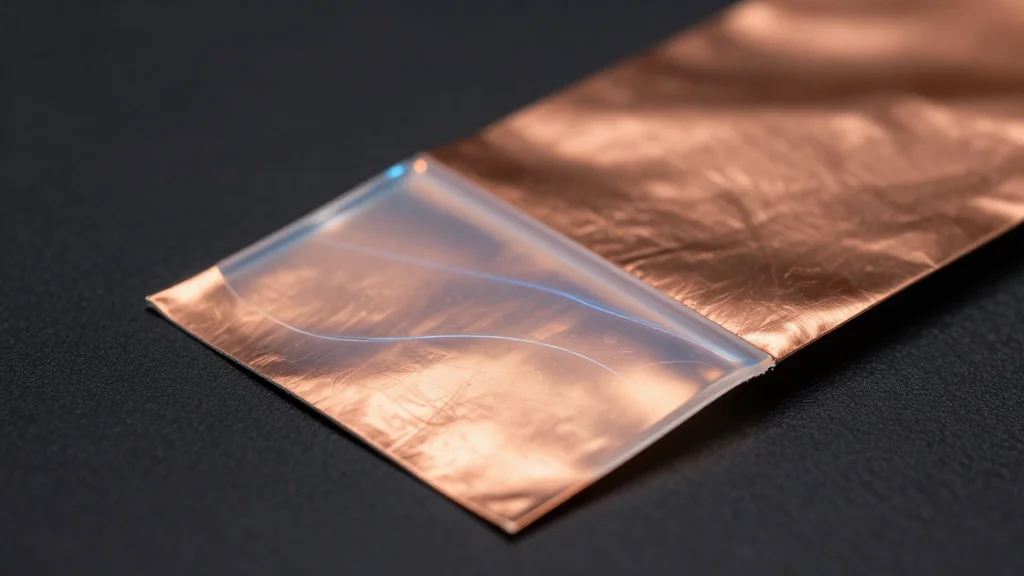
Anode‐Free Lithium Batteries Enabled by Solid Polymer Electrolytes
Why It Matters
By eliminating the anode, AF‑SPEs can lift specific energy while simplifying production, accelerating the transition to safer, higher‑capacity electric‑vehicle and grid‑storage batteries.
Key Takeaways
- •Ultrathin polymer membranes reduce cell weight, raising specific energy
- •Tailored polymer chemistries suppress dendrite formation during lithium plating
- •Interfacial layers improve mechanical contact, enhancing cycle life
- •Lithium inventory management enables stable full‑cell performance without excess lithium
Pulse Analysis
The race for solid‑state lithium batteries has intensified as automakers and grid operators seek safer, higher‑energy storage. A particularly promising variant is the anode‑free architecture, which removes the bulky lithium metal foil and instead deposits lithium directly onto a copper current collector during each charge. Solid polymer electrolytes (SPEs) are uniquely suited to this approach because their low density and flexibility allow membranes only a few micrometres thick, dramatically cutting dead weight and opening a path to cell‑level specific energies that rival or exceed liquid‑electrolyte designs.
Recent advances detailed in the review focus on three engineering levers. First, polymer chemistry—incorporating high‑ionic‑conductivity backbones such as poly(ethylene oxide) blended with ceramic nanofillers—creates pathways for rapid Li⁺ transport while maintaining mechanical strength. Second, interfacial engineering adds thin artificial solid‑electrolyte interphases or functional coatings that homogenize lithium nucleation, suppress dendrite growth, and accommodate volume changes. Third, careful lithium inventory management balances cathode capacity with the amount of lithium that can be plated each cycle, preventing depletion and extending cycle life to several hundred cycles at >200 Wh kg⁻¹.
From a commercial perspective, anode‑free SPE cells promise lower material costs—no lithium foil and fewer processing steps—and improved safety due to the non‑flammable polymer matrix. These advantages align with the cost‑sensitivity of electric‑vehicle manufacturers and the reliability demands of stationary storage. However, scaling the ultrathin membranes, ensuring uniform plating across large electrode areas, and achieving long‑term interfacial stability remain hurdles. Continued collaboration between polymer chemists, cell engineers, and manufacturers could see pilot‑scale production within the next five years, potentially reshaping the solid‑state battery market.
Anode‐Free Lithium Batteries Enabled by Solid Polymer Electrolytes
Comments
Want to join the conversation?
Loading comments...