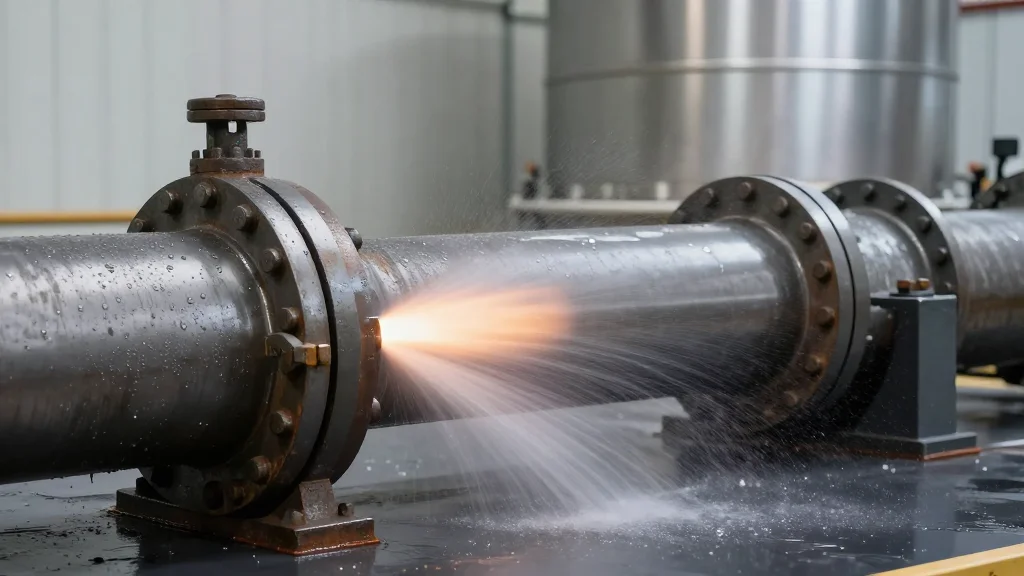
Another Boiler Demolished at Shuttered Coal Power Plant in Spectacular Explosion
Companies Mentioned
Why It Matters
Removing the last boiler accelerates the shift from coal to cleaner generation, freeing valuable land for battery storage that supports grid stability. The high recycling rate demonstrates a circular‑economy approach, reducing waste and recouping material value.
Key Takeaways
- •Synergy demolished second Kwinana boiler with controlled explosives.
- •Demolition used water jets to contain debris, protecting nearby battery storage.
- •Over 90% of steel, copper, aluminium from site slated for recycling.
- •Site now hosts two 300 MW battery systems as part of transition.
- •Chimney stack dismantling is 40% complete, final phase ongoing.
Pulse Analysis
The demolition of Kwinana’s second boiler marks the final phase of a systematic decommissioning that began with the careful dismantling of its two towering chimneys. By employing small explosive charges and surrounding the site with high‑pressure water jets, Synergy ensured that airborne fragments were captured, safeguarding the newly installed 300 MW battery energy storage systems and nearby gas turbines. This method reflects a growing industry trend: using precision demolition to minimize environmental impact while transitioning legacy fossil‑fuel assets to modern, low‑carbon infrastructure.
Beyond the spectacle, the project underscores the economic upside of recycling in large‑scale energy retirements. Synergy reports that more than 90% of the plant’s steel, copper and aluminium will be reclaimed, turning what could be a costly waste stream into a source of raw material revenue. Such high recovery rates are increasingly common as governments and utilities adopt circular‑economy policies, reducing landfill pressure and supporting domestic metal supply chains. For investors, the reclaimed materials can offset decommissioning costs and improve the financial case for repurposing former coal sites.
Strategically, Kwinana’s transformation aligns with Western Australia’s broader push toward grid resilience and renewable integration. The site now houses two battery storage units with a combined capacity of 300 MW/1,100 MWh, providing fast‑response ancillary services that complement the remaining gas‑fired generators. As the state phases out coal, facilities like Kwinana become critical hubs for storage, demand response, and future green hydrogen projects, illustrating how legacy power stations can be reinvented to support a low‑carbon future.
Another boiler demolished at shuttered coal power plant in spectacular explosion
Comments
Want to join the conversation?
Loading comments...