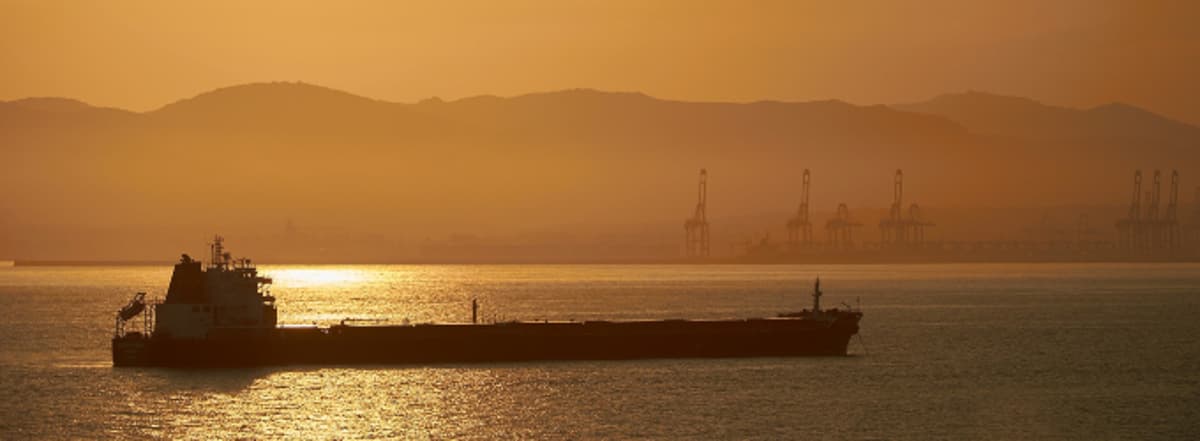
Aramco, ADNOC Quietly Resume Limited Hormuz Crude Exports
Companies Mentioned
Why It Matters
The limited but ongoing flow demonstrates Gulf producers’ ability to keep oil supplies moving, tempering the risk of a major global supply shock and supporting market stability amid heightened geopolitical tension.
Key Takeaways
- •Hormuz crude flows at ~500,000 bpd since March, far below 13.6 MMbpd pre‑conflict
- •Saudi Aramco and ADNOC use off‑grid tankers and ship‑to‑ship transfers
- •Drone strike hit ADNOC’s Barakah tanker; no immediate operational impact reported
- •Charter rates soar as operators balance risk versus market demand
- •Traders like Mercuria say more Hormuz transits occur than tracking shows
Pulse Analysis
The Strait of Hormuz has long been the world’s most vulnerable oil chokepoint, funneling roughly a third of daily global crude and a sizable share of liquefied natural gas under normal conditions. 6 million barrels per day to just half a million. By quietly re‑initiating a trickle of shipments, Saudi Aramco and ADNOC signal that Gulf producers are willing to absorb heightened security costs to avoid a full‑scale supply interruption that could send prices soaring. Operators are employing a suite of low‑visibility tactics to navigate the danger zone.
Tankers often sail with AIS transponders disabled, making them invisible to satellite monitoring, while many loads are transferred ship‑to‑ship near offshore facilities in the UAE and Oman, as illustrated by the Basrah Energy and Fujairah Energy voyages. The approach reduces exposure to Iranian drones and missile threats, but it also inflates freight expenses; charter rates for vessels willing to enter Hormuz have surged by 30‑40 percent. The recent drone strike on ADNOC’s Barakah tanker, though not immediately disruptive, underscores the persistent peril.
From a market perspective, the modest resumption eases some of the supply‑security anxiety that has kept oil benchmarks volatile. Traders such as Mercuria argue that official tracking undercounts actual transits, suggesting a larger hidden flow that helps stabilize inventories. Nevertheless, the elevated risk premium is baked into forward curves, and any further escalation could quickly reverse the modest gains. Investors will watch for signs of broader fleet participation and for diplomatic developments that could either open the strait to normal traffic or force a longer‑term rerouting of Gulf crude to alternative routes like the Cape of Good Hope.
Aramco, ADNOC quietly resume limited Hormuz crude exports
Comments
Want to join the conversation?
Loading comments...