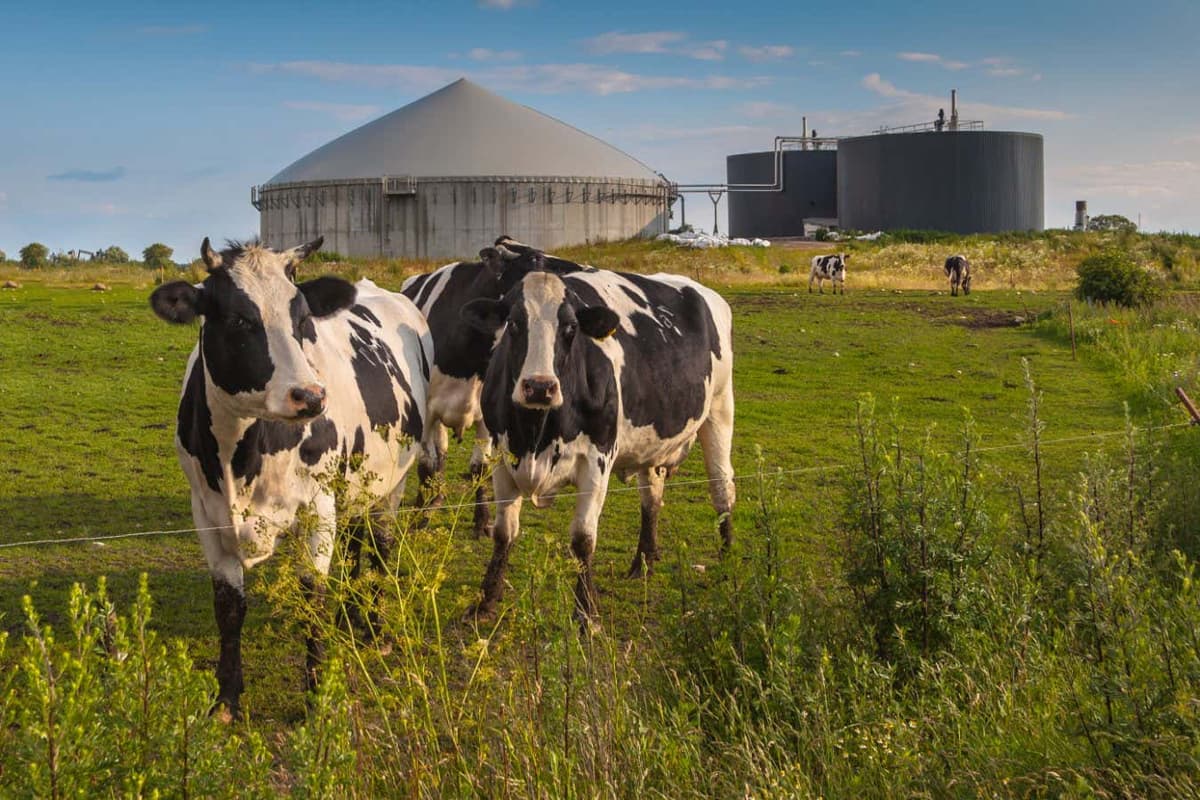
Are Manure Digesters a Real Solution to Dairy Farm Emissions?
Why It Matters
Digesters could become a pivotal climate mitigation tool for agriculture, but if they spur farm consolidation, they may lock in higher emissions and delay broader sustainability transitions.
Key Takeaways
- •Anaerobic digesters cut dairy methane by up to 70%
- •Federal subsidies cover up to $1,000 per installed digester
- •Larger farms adopt digesters, potentially expanding industrial livestock
- •Critics warn biogas may delay transition to plant‑based alternatives
Pulse Analysis
The push for anaerobic digesters reflects a broader policy shift toward leveraging existing agricultural waste streams for renewable energy. By capturing methane—a greenhouse gas over 25 times more potent than CO₂—these systems generate biogas that can replace fossil fuels on farms, reducing carbon footprints and offering a modest revenue stream from electricity or heat sales. However, the financial architecture of the subsidies, often structured as per‑unit grants, creates a perverse incentive for farms to expand herd sizes to maximize return on investment.
Beyond emissions, the environmental calculus must account for ancillary impacts. Larger, digester‑equipped operations tend to concentrate waste, increasing the risk of nutrient runoff, odor complaints, and potential exposure to pathogens for nearby communities. Moreover, the biogas produced is still a fossil‑fuel analogue, meaning it may delay the adoption of zero‑carbon alternatives such as solar or wind power on agricultural sites. Policymakers therefore face a balancing act: calibrate incentives to reward genuine emissions reductions without inadvertently promoting industrial consolidation.
Future research should benchmark digesters against a portfolio of mitigation strategies, including feed additives, herd genetics, and renewable electricity installations. A life‑cycle assessment that incorporates construction emissions, operational efficiency, and downstream effects on land use will provide clearer guidance on cost‑effectiveness. As the dairy sector grapples with tightening climate regulations, nuanced policy design—potentially tiered subsidies that favor smaller farms or performance‑based payouts—could harness the methane‑capture benefits while curbing the risk of creating larger, more polluting enterprises.
Are manure digesters a real solution to dairy farm emissions?
Comments
Want to join the conversation?
Loading comments...