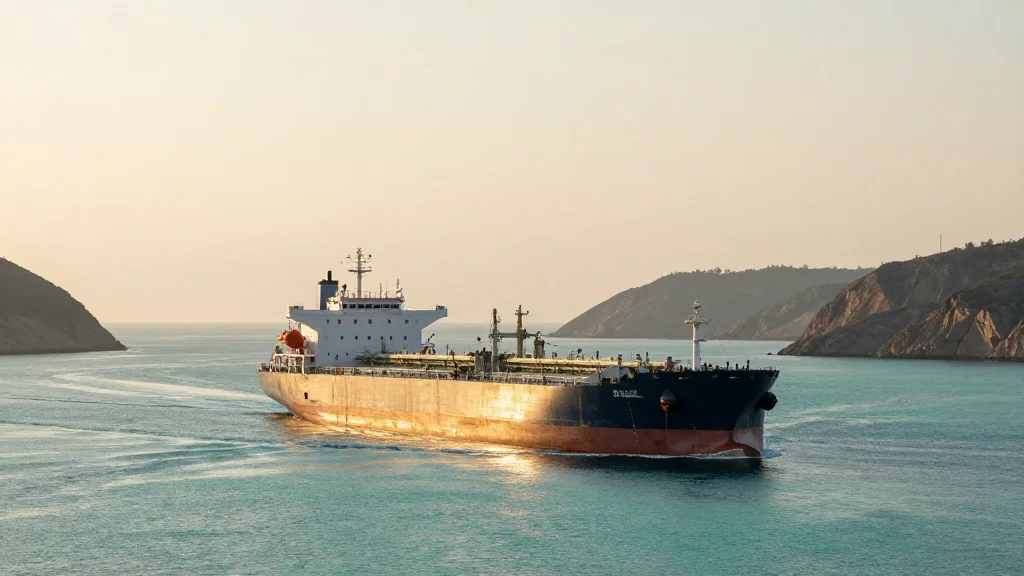
Are Oil Tankers Moving Through Hormuz Again?
Why It Matters
Tanker flow through Hormuz directly influences global oil availability, price stability, and inflation pressures, making its status a bellwether for both energy markets and broader economic policy.
Key Takeaways
- •Hormuz crossings fell from ~100 to near zero last year
- •No clear data confirming traffic rebound yet
- •Persistent blockage raises freight, insurance costs
- •Higher oil prices could prolong inflationary pressure
- •Market sentiment hinges on actual tanker movements
Pulse Analysis
The Strait of Hormuz remains one of the world’s most vital maritime arteries, funneling about 20% of daily oil shipments. When geopolitical tensions flare, even a modest reduction in tanker passages can ripple through global supply chains, tightening physical oil markets and prompting price spikes. Recent intelligence suggests that while diplomatic overtures have softened rhetoric, concrete evidence of restored traffic is still scarce, leaving traders and policymakers in a state of heightened uncertainty.
From a macroeconomic perspective, sustained disruption in Hormuz translates into higher freight rates and insurance premiums, which feed directly into the landed cost of crude and refined products. Elevated oil prices feed into headline inflation, complicating the Federal Reserve’s path toward rate cuts. Moreover, oil‑importing economies face tighter household budgets and squeezed corporate margins, potentially dampening consumer confidence and slowing growth. The interplay between geopolitical risk and monetary policy underscores why market participants monitor tanker movement data as closely as oil price charts.
Looking ahead, analysts will watch satellite AIS data, port call logs, and insurance underwriting trends for the first reliable signals of a traffic rebound. A sustained uptick in daily crossings would suggest that the supply shock is waning, allowing oil markets to decouple from geopolitical risk and easing inflationary pressures. Conversely, continued near‑zero traffic would reinforce a narrative of entrenched supply constraints, likely keeping oil‑linked inflation sticky and prompting a more cautious stance from central banks and investors alike.
Are Oil Tankers Moving Through Hormuz Again?
Comments
Want to join the conversation?
Loading comments...