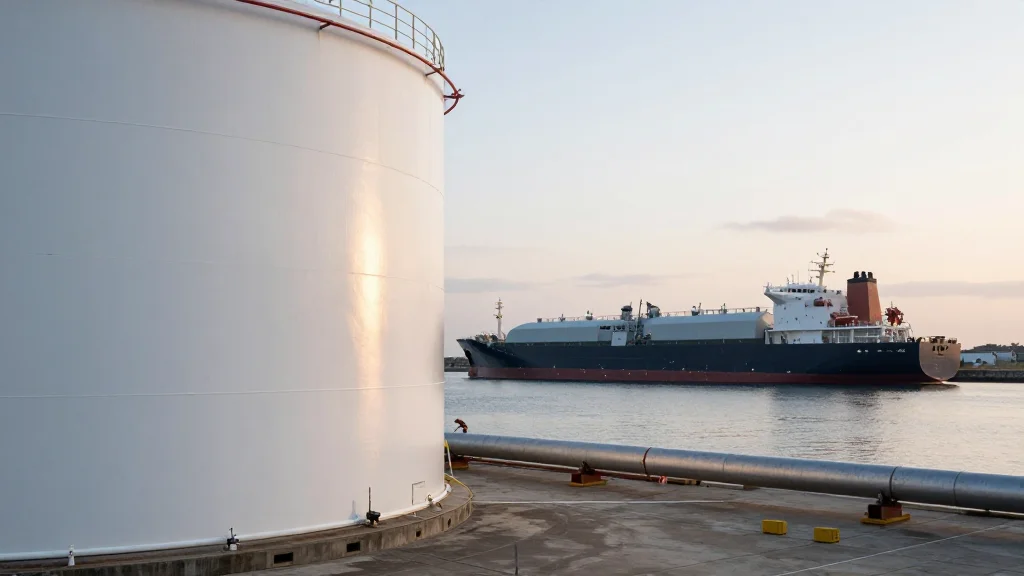
Argentina Balances LNG Export Ambitions With Ongoing Import Demand
Companies Mentioned
Why It Matters
The partnership underscores Argentina’s ambition to transition from a net LNG importer to an exporter, potentially reshaping South America’s gas supply dynamics and attracting foreign investment.
Key Takeaways
- •Camuzzi and Vitol signed MoU for LNG project at La Plata
- •Project aims for commercial startup in 2028
- •Vaca Muerta gas fields will supply the LNG plant
- •Argentina continues importing LNG, issuing new cargo tenders
- •Export ambitions could reshape South American gas trade dynamics
Pulse Analysis
Argentina’s natural‑gas landscape is at a crossroads. The country’s Vaca Muerta basin, one of the world’s largest shale‑gas reserves, has driven domestic production growth, yet demand outpaces supply, forcing the government to import LNG to keep power plants and industry running. Recent tenders by Energía Argentina illustrate the ongoing reliance on foreign cargoes, highlighting a market still in need of reliable short‑term supply while long‑term infrastructure catches up.
The MoU between Camuzzi Gas Inversora and Vitol marks a pivotal step toward addressing that gap. By targeting a 2028 startup for the LNG del Plata terminal, the partners aim to convert Vaca Muerta gas into liquefied form for export, tapping into high‑margin overseas markets. Vitol’s global trading expertise and financing capabilities complement Camuzzi’s distribution network, reducing project risk and accelerating regulatory approvals. The agreement also signals confidence in Argentina’s policy environment, suggesting that recent reforms and fiscal incentives are sufficient to attract major international players.
If realized, the La Plata LNG hub could alter regional energy flows. Export capacity would give Argentina leverage in the Southern Cone, offering an alternative to Brazil’s and Chile’s current import routes. Moreover, the project could stimulate ancillary services, from shipbuilding to port logistics, fostering job creation and technology transfer. However, challenges remain, including securing consistent gas feed, navigating export licensing, and managing price volatility. Success will depend on sustained investment, clear regulatory frameworks, and the ability to balance export ambitions with domestic energy security.
Argentina Balances LNG Export Ambitions With Ongoing Import Demand
Comments
Want to join the conversation?
Loading comments...