Ark Energy Secures Grid‑Connection for 200‑MW Solar‑Battery Project in Australia

Companies Mentioned
Why It Matters
The Richmond Valley project illustrates how traditional industrial players are diversifying into clean‑energy infrastructure, expanding the pool of capital available for large‑scale storage. By linking a sizable solar array with a long‑duration battery, Ark Energy provides a model for firm, renewable‑based power that can replace fossil‑fuel peakers and improve grid resilience. For Australia, the approval adds a critical piece to the nation’s renewable‑energy puzzle, helping to meet its 2030 emissions targets and reducing exposure to volatile global fuel markets. The project's success could encourage other non‑energy corporations to explore similar ventures, reshaping the competitive dynamics of the energy‑storage sector.
Key Takeaways
- •Ark Energy secured grid‑connection approval from Transgrid and AEMO for the Richmond Valley project.
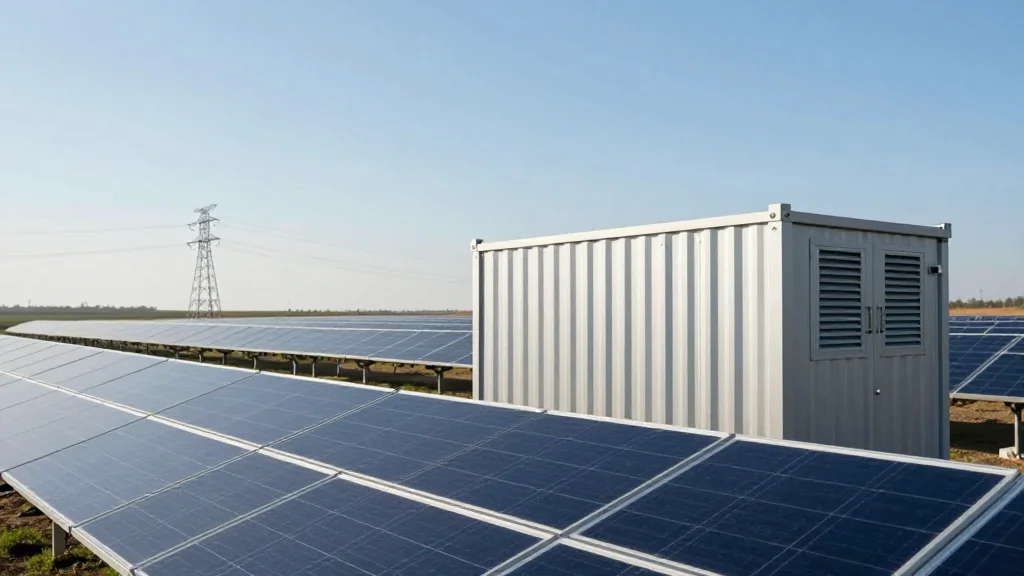
- •The hybrid facility combines a 200 MW solar farm with a 2,200 MWh long‑duration battery capable of delivering 275 MW of power.
- •Storage capacity is likened to the combined batteries of roughly 26,000 Tesla Model Y EVs.
- •Korea Zinc’s shares fell 3.88% on the news, reflecting market caution about the new venture.
- •Construction is slated to begin later in 2026 with commissioning expected in 2028.
Pulse Analysis
Ark Energy’s entry into the Australian storage market underscores a broader shift where heavy‑industry conglomerates are leveraging their balance sheets to capture emerging clean‑energy opportunities. Historically, the storage space has been dominated by utilities, battery manufacturers, and specialist developers. Korea Zinc’s move signals that the capital intensity and long‑term return profile of large‑scale storage are now attractive enough to draw in players accustomed to commodity cycles. This diversification could lower financing costs for future projects, as investors gain confidence that a wider set of sponsors can underwrite the risk.
From a market perspective, the Richmond Valley project could act as a catalyst for policy makers to refine incentives for hybrid solar‑battery installations. Australia’s National Electricity Market has struggled with periods of oversupply and scarcity, and long‑duration storage offers a pragmatic solution that aligns with the country’s renewable‑energy targets. If Ark Energy can demonstrate reliable performance and competitive pricing, it may prompt regulators to streamline approval processes for similar projects, accelerating the transition away from gas‑fired peakers.
Looking ahead, the key variables will be the project's capital cost, the price at which stored electricity is sold, and its ability to participate in ancillary services markets. Successful navigation of these factors could set a precedent that encourages other non‑energy firms—particularly those in mining and metals—to invest in renewable infrastructure, reshaping the competitive landscape and potentially driving down overall system costs for the Australian grid.
Ark Energy Secures Grid‑Connection for 200‑MW Solar‑Battery Project in Australia
Comments
Want to join the conversation?
Loading comments...