As Gas Prices Soar, Trump Is Ignoring the Lessons of the Last Oil Crisis
•March 10, 2026
0
Why It Matters
The rollback of efficiency standards undermines decades of progress and exposes consumers to higher fuel costs amid persistent geopolitical supply disruptions, reshaping the U.S. energy policy landscape.
Key Takeaways
- •US fuel efficiency reduced by Trump rollbacks.
- •Oil price spike threatens consumer savings from deregulation.
- •1973 crisis lessons ignored amid Middle East conflict.
- •Domestic oil production lessens but global shocks persist.
- •EPA analysis underestimates fuel cost impacts.
Pulse Analysis
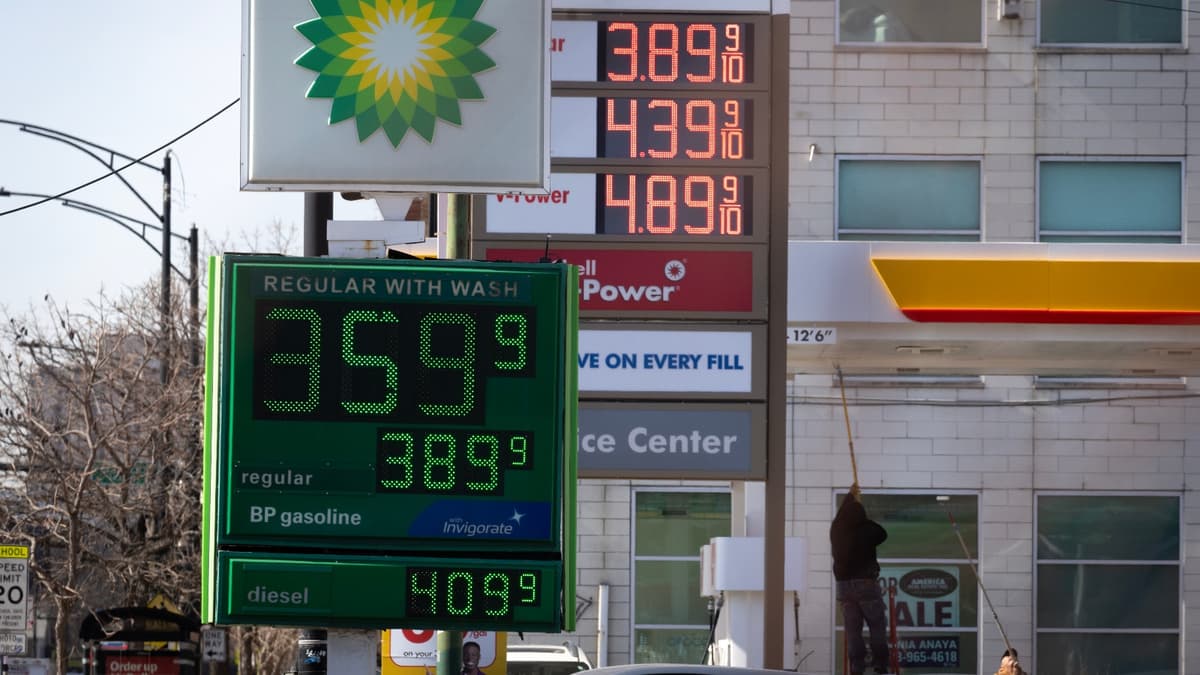
The current Middle East conflict has effectively choked the Strait of Hormuz, a conduit for roughly one‑fifth of global petroleum exports. This supply bottleneck has pushed crude above $100 a barrel, translating into gasoline prices that dwarf the $3‑per‑gallon baseline assumed by policymakers. Unlike the 1973 embargo, today’s American consumer is partially insulated by a robust shale boom that made the United States the world’s top oil producer, yet the global nature of oil markets means price shocks still reverberate domestically.
Fuel‑efficiency regulations, first introduced after the 1973 crisis and later strengthened under Obama, have doubled average miles per gallon and curbed emissions. The Trump administration’s repeal of CAFE penalties and EPA tailpipe rules aims to lower vehicle purchase costs, projecting $1.3 trillion in savings for automakers. However, EPA’s own impact analysis reveals a hidden cost: higher fuel consumption could add $1.5 trillion in consumer expenses by 2055, especially if oil prices remain elevated. The current price surge magnifies this risk, turning theoretical savings into real financial burdens for drivers of less‑efficient vehicles.
Looking ahead, the disconnect between regulatory assumptions and geopolitical realities raises questions about the resilience of U.S. energy policy. Persistent high oil prices could reignite calls for stricter efficiency standards, potentially accelerating the shift toward electric and hybrid fleets. Meanwhile, legal challenges to the rollbacks may restore some regulatory authority, reinforcing the lesson from 1973 that energy independence and efficiency are strategic safeguards against external shocks. Stakeholders—from automakers to policymakers—must weigh short‑term cost reductions against long‑term economic and environmental stability.
As gas prices soar, Trump is ignoring the lessons of the last oil crisis
0
Comments
Want to join the conversation?
Loading comments...