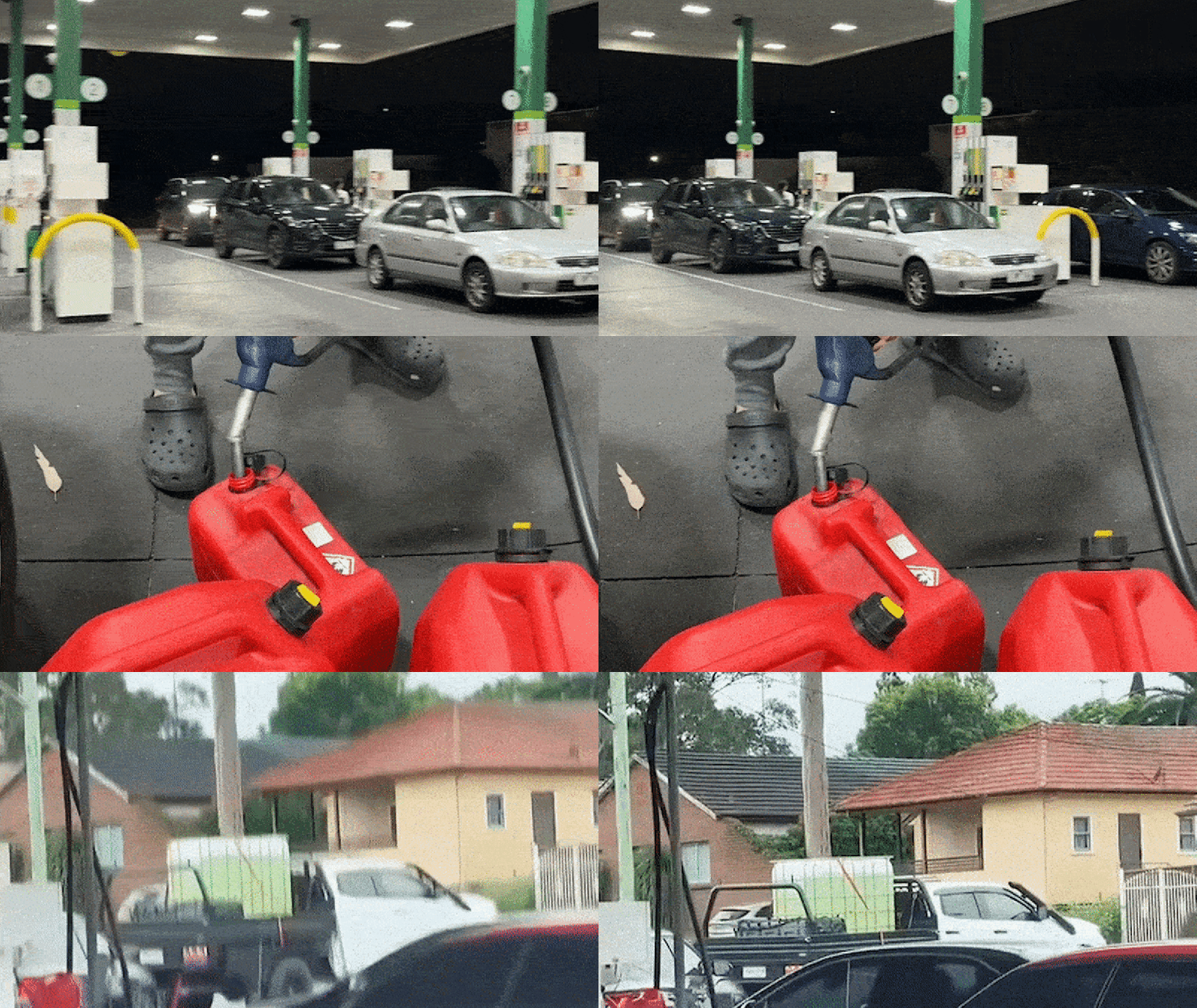
As some Hoard Petrol, Here’s Our Last Line of Defence Against a Fuel Shortage
•March 11, 2026
0
Why It Matters
The storage capacity creates a strategic buffer, stabilising prices and ensuring continuity of transport and commerce amid volatile global oil markets.
Key Takeaways
- •Australia adds massive steel fuel tanks near major cities
- •Tanks hold tens of millions of litres each
- •Built in response to Iran conflict disrupting oil supply
- •Provide buffer against potential fuel shortages
- •Panic buying spikes as global supply tightens
Pulse Analysis
The recent escalation of tensions in Iran has reverberated through global oil markets, tightening supply chains and driving up prices worldwide. Australia, heavily dependent on imported crude, felt the ripple effect quickly as motorists faced dwindling pump inventories and extended wait times. Analysts attribute the surge in panic‑buying to both real shortages and heightened consumer anxiety, prompting policymakers to seek immediate, tangible solutions to reassure the public and protect the economy.
In response, the Australian government and private fuel distributors have commissioned a network of colossal steel storage tanks on the industrial fringes of Sydney, Melbourne, Brisbane and other key hubs. These structures, some spanning 50 metres in width and rising ten storeys, are engineered to hold up to several tens of millions of litres of petrol each. Their strategic placement near major transport arteries enables rapid redistribution during supply disruptions, while the modular design allows for future capacity upgrades. By stockpiling fuel close to demand centres, the nation reduces reliance on long‑haul deliveries that are vulnerable to port congestion and shipping delays.
The long‑term implications extend beyond immediate crisis management. A robust domestic fuel reserve enhances national energy security, curtails speculative price spikes, and supports critical sectors such as logistics, agriculture and emergency services. However, the initiative also raises questions about environmental impact, land use, and the financial burden of maintaining idle reserves. As the global oil landscape remains uncertain, Australia’s mega‑tank strategy may serve as a blueprint for other oil‑importing nations seeking to hedge against geopolitical shocks while balancing sustainability concerns.
As some hoard petrol, here’s our last line of defence against a fuel shortage
0
Comments
Want to join the conversation?
Loading comments...