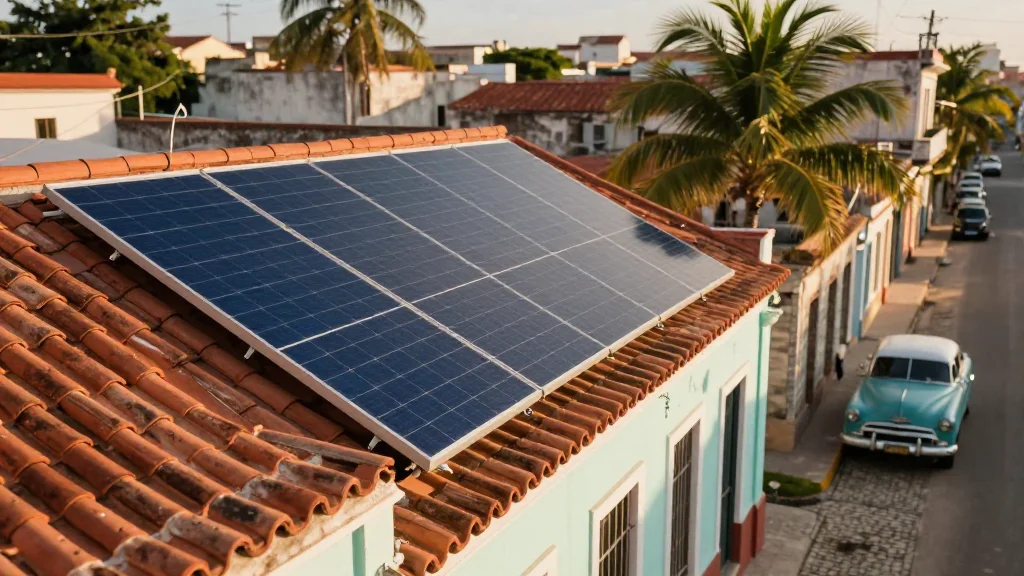
As the US Starves It of Oil, Cuba Is Pulling Off One of the Fastest Solar Revolutions on the Planet — with China’s Help
Why It Matters
The shift reduces Cuba’s reliance on oil imports, weakening a key lever of U.S. coercion and reshaping energy geopolitics in the Caribbean. It also showcases China’s growing influence through clean‑energy infrastructure in a strategically sensitive region.
Key Takeaways
- •China’s solar exports to Cuba jumped from $3M to $117M (2023‑2025).
- •Cuba aims to install 92 solar parks, delivering 2 GW by 2028.
- •Renewable share rose to ~10% of electricity, targeting 24% by 2030.
- •Blackouts affect 10 million residents, prompting urgent clean‑energy shift.
- •Solar parks provide fast, low‑cost power amid oil blockade.
Pulse Analysis
The United States’ effective oil blockade has left Cuba’s aging grid vulnerable, triggering three nationwide blackouts in March that left roughly 10 million people without power. With oil imports from Venezuela and Mexico curtailed, the island’s electricity system—still heavily dependent on fossil fuels—faces a severe supply‑demand mismatch. This crisis has forced policymakers to seek alternatives that can be deployed quickly, making solar energy an attractive stopgap while the broader energy transition unfolds.
China has become the linchpin of Cuba’s solar surge, escalating exports from $3 million in 2023 to $117 million in 2025, according to Ember data. Under a bilateral agreement, Havana plans to commission 92 photovoltaic parks by 2028, delivering up to 2 gigawatts—enough to power more than 1.5 million homes. In the past year alone, Cuba installed roughly 1 GW of solar capacity, pushing renewable generation to about 10% of total electricity, up from 3% in 2024. The rapid rollout, driven by low‑cost panels and modular battery storage, offers a tangible dent in the power mix, even as the grid remains strained.
Beyond immediate relief, the solar push carries strategic weight. By diversifying away from oil, Cuba diminishes a primary tool of U.S. pressure, while China gains goodwill across the Caribbean and Latin America through infrastructure investment. However, experts caution that the grid’s aging infrastructure and the nation’s fiscal constraints limit how quickly renewables can replace fossil fuels. The 24% renewable target for 2030 remains ambitious, but the current momentum suggests a new energy paradigm that could reshape regional alliances and set a precedent for other oil‑dependent economies facing geopolitical headwinds.
As the US starves it of oil, Cuba is pulling off one of the fastest solar revolutions on the planet — with China’s help
Comments
Want to join the conversation?
Loading comments...