As Trump Obliterates Climate Efforts, States Try to Fill the Gap
•February 18, 2026
0
Why It Matters
State‑level policies keep the United States on a decarbonization path despite federal inaction, influencing markets, jobs, and climate resilience.
Key Takeaways
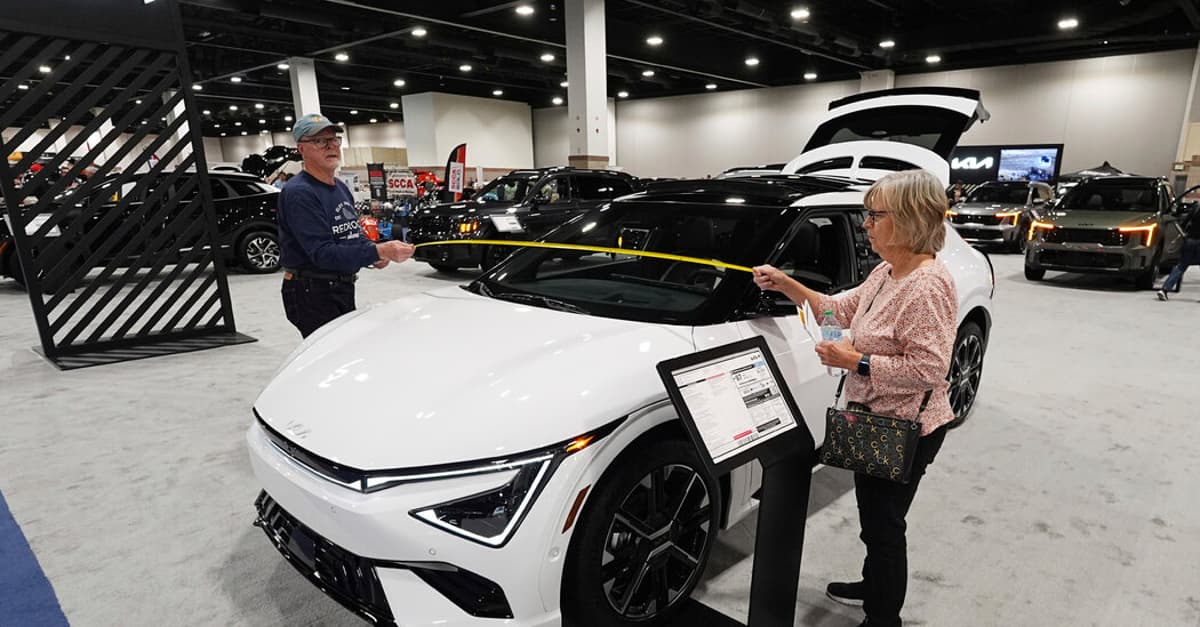
- •States launch $2,000 EV tax credit in Colorado
- •Virginia eases approvals for large solar farms
- •California seeks fossil fuel funding for wildfire insurance
- •Trump administration halts federal GHG regulations
- •State actions fill federal climate policy void
Pulse Analysis
The federal rollback of greenhouse‑gas rules under the Trump administration has created a regulatory vacuum, prompting a wave of state‑driven climate measures. Colorado’s upcoming $2,000 electric‑vehicle tax credit, Virginia’s streamlined process for sprawling solar projects, and California’s proposal to shift wildfire‑insurance costs onto fossil‑fuel firms illustrate a diversified strategy to sustain emissions reductions. By leveraging their own legislative authority, these states aim to preserve market incentives for clean technology and protect vulnerable communities from climate‑related damages.
Economically, the state initiatives generate immediate incentives for clean‑energy adoption and infrastructure development. The Colorado credit could boost EV sales by lowering purchase barriers, while Virginia’s solar‑farm facilitation addresses the rising electricity demand from data centers, encouraging renewable capacity expansion. California’s insurance funding model seeks to internalize the externalities of fossil‑fuel extraction, potentially reshaping risk assessments for insurers and encouraging corporate responsibility. Collectively, these policies attract private investment, create green jobs, and signal to businesses that climate resilience is a priority despite federal uncertainty.
Looking ahead, the patchwork of state actions may set de‑facto standards that could pressure the federal government to reconsider its stance, especially if measurable emissions declines emerge from these localized efforts. However, inconsistencies across state borders could complicate interstate commerce and create compliance challenges for national firms. Continued coordination among states, possibly through regional compacts, will be crucial to harmonize regulations and maximize the environmental impact while maintaining economic competitiveness.
As Trump Obliterates Climate Efforts, States Try to Fill the Gap
0
Comments
Want to join the conversation?
Loading comments...