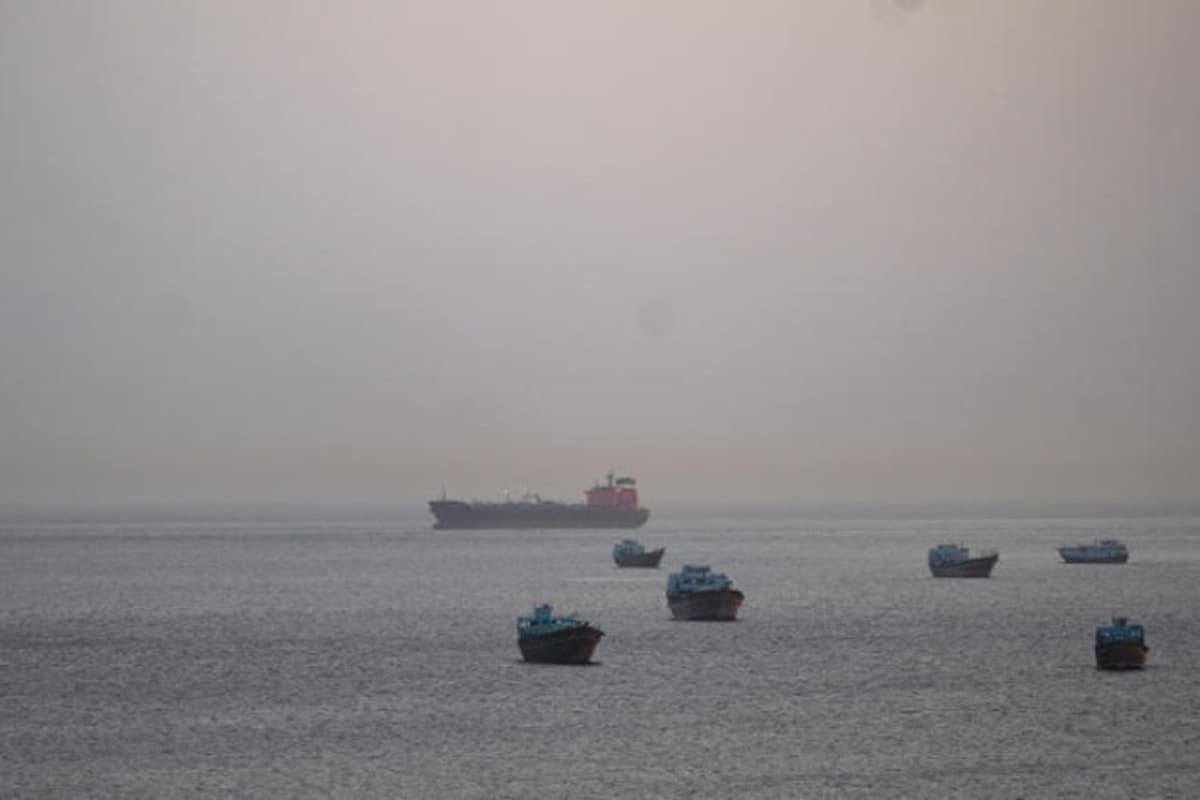
Asean Shares Crude Oil Supply Concerns with Japan, China, South Korea
Companies Mentioned
Why It Matters
Disruptions to Middle‑East oil flows threaten energy security for oil‑importing Asian economies, prompting coordinated financial and policy responses that could reshape regional trade and investment patterns.
Key Takeaways
- •Strait of Hormuz closure heightens oil supply risk for Asia
- •Japan pledges $10 billion loans to strengthen regional energy chains
- •ASEAN‑plus‑three vow coordinated response to market volatility
- •ADB cuts Asia growth forecast to 4.7% amid energy disruption
Pulse Analysis
The ongoing conflict in the Middle East has turned the Strait of Hormuz into a chokepoint, cutting off a critical artery for crude oil destined for Asia. Nations such as Japan, South Korea and China rely heavily on Middle‑East imports, and Iran’s de‑facto closure has sparked fears of supply shortages and price spikes. This geopolitical shock reverberates beyond energy markets, threatening industrial inputs, logistics costs and even tourism, as countries scramble to secure alternative sources.
In response, the ASEAN‑plus‑three finance ministers convened in Samarkand to cement a unified stance. Japan led the initiative with a $10 billion financing package aimed at bolstering energy supply chains across the region, offering loans to procure crude and refined products. The statement underscored the importance of multilateralism, urging diversification of supply routes and greater cooperation among member states. While China did not send a ministerial‑level delegate, it has been shifting imports toward Russia, Indonesia and Brazil, a move that could further strain global oil balances.
The broader economic implications are already evident. The Asian Development Bank trimmed its growth forecast for developing Asia to 4.7% for 2024 and nudged inflation expectations upward, citing persistent energy market turbulence. Currency markets have also felt the pressure, with Japan’s yen slipping into the 160‑plus per dollar range, prompting potential intervention. As the conflict drags on, coordinated fiscal and monetary actions among ASEAN‑plus‑three members will be pivotal in cushioning economies from prolonged volatility.
Asean shares crude oil supply concerns with Japan, China, South Korea
Comments
Want to join the conversation?
Loading comments...