Asia Is Already Grappling with a Fuel Crisis. A ‘Super El Nino’ Threatens to Make Things Worse
Why It Matters
The convergence of climate‑driven heat stress and geopolitical oil shortages could trigger widespread power outages, industrial slowdowns, and public‑health emergencies across Asia’s fastest‑growing economies.
Key Takeaways
- •Super El Niño may cut Asian hydropower output by double‑digit percentages
- •Iran’s Hormuz blockade blocks 80% of oil destined for Asia
- •Heat‑driven electricity demand could overload regional grids
- •Potential economic loss this century could approach $84 trillion
Pulse Analysis
The looming Super El Niño represents more than a seasonal weather anomaly; it is a climate amplifier that could cripple Asia’s energy security at a time when the region is already grappling with a geopolitical fuel squeeze. With Iran effectively sealing the Strait of Hormuz, the flow of crude and liquefied natural gas from the Middle East—accounting for roughly 80% of the strait’s oil cargo—has been throttled, forcing countries like Pakistan and the Philippines to curtail work hours and Myanmar to impose driving limits. This supply bottleneck has already prompted the Asian Development Bank to trim growth forecasts for developing Asia and the Pacific to 4.7% in 2026, underscoring the macro‑economic ripple effects of a constrained oil market.
Hydropower, which supplies about 14.5% of electricity in South and Southeast Asia, has traditionally acted as a buffer against fossil‑fuel volatility. However, the projected droughts tied to a Super El Niño could dramatically reduce reservoir levels, stripping away this safety net just as temperatures soar. Power utilities will face a perfect storm: diminished renewable generation coupled with a surge in air‑conditioning load, raising the risk of rolling blackouts in megacities from Jakarta to Manila. The strain extends beyond the grid; water‑intensive industries such as semiconductor manufacturing and textiles may encounter production cuts, while farmers confront crop failures that threaten food security.
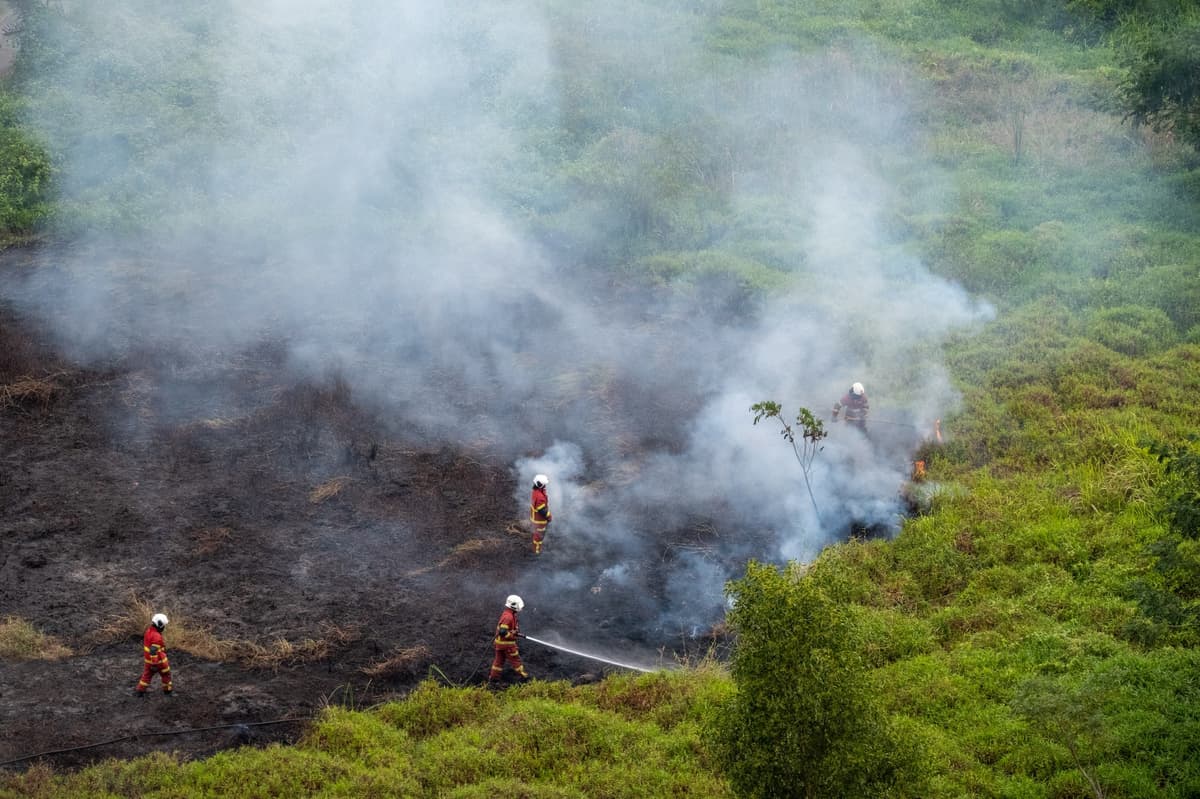
Beyond the immediate economic fallout, the health and environmental toll could be severe. Elevated ambient heat increases the likelihood of heat‑related illnesses among outdoor workers, and stagnant water storage practices raise the specter of mosquito‑borne diseases like dengue and malaria. Smoke from forest fires in Sumatra and Kalimantan could drift across the region, degrading air quality and prompting school closures. Climate scientists warn that the frequency of Super El Niños could double by century’s end, meaning today’s crisis may be a preview of a more volatile future where climate change and geopolitical tensions intersect to reshape Asia’s energy landscape.
Asia is already grappling with a fuel crisis. A ‘Super El Nino’ threatens to make things worse
Comments
Want to join the conversation?
Loading comments...