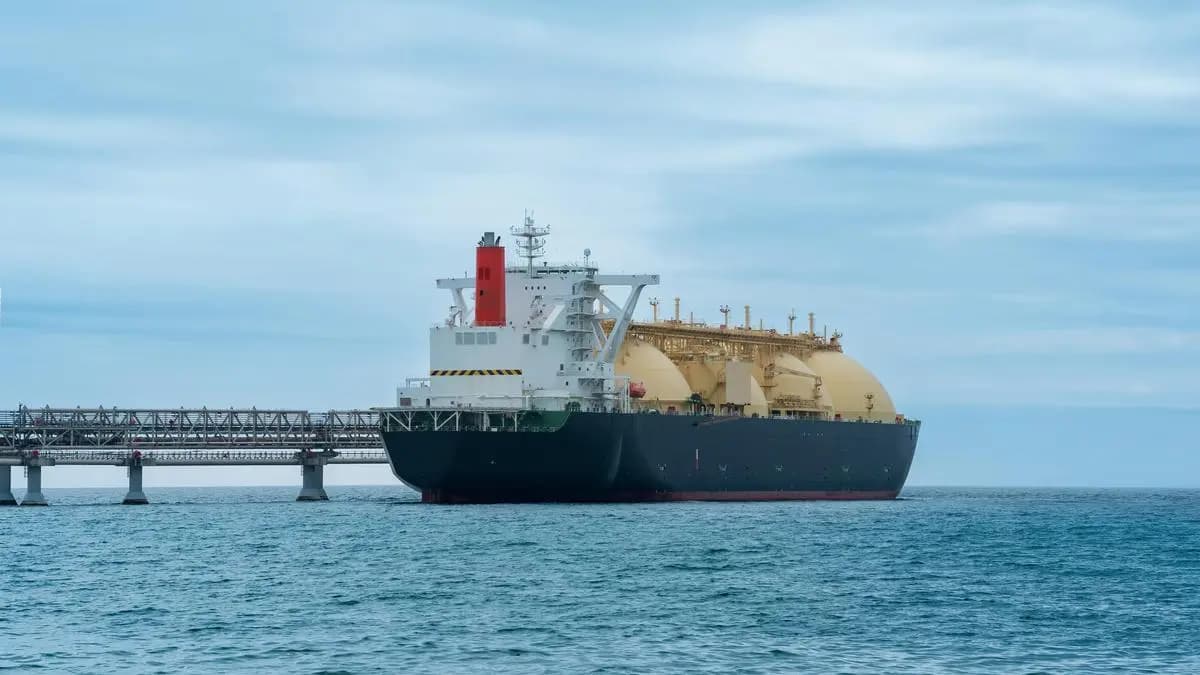
Asia LNG Imports in March 2026 Lowest Since 2019
Why It Matters
The contraction highlights the vulnerability of Asian gas demand to geopolitical shocks and reshapes the global LNG supply chain, accelerating the shift toward non‑GECF exporters such as the United States.
Key Takeaways
- •March 2026 Asia LNG imports fell 4.3% to 21.12 mt.
- •China, India, Pakistan drove import decline amid Middle East conflict.
- •Qatar and UAE supply disruptions cut regional LNG availability.
- •US LNG exports hit record 11.74 mt, boosting global share.
- •Non‑GECF exporters now account for 66.2% of global LNG exports.
Pulse Analysis
The March 2026 dip in Asian LNG imports underscores how quickly regional geopolitics can ripple through the energy market. Conflict in the Middle East throttled transit through the Strait of Hormuz, curtailing Qatar’s and the UAE’s output at a time when both nations supplied roughly half of Asia’s LNG demand. With two Qatari LNG trains offline, Asian buyers—particularly China, India and Pakistan—saw spot demand shrink, prompting a month‑on‑month import decline to a seven‑year low.
In response, several Asian economies pivoted to alternative sources. Taiwan increased purchases from Brunei, Canada and the United States, while Thailand and South Korea leaned on re‑exported LNG from China and higher Canadian volumes. These adjustments illustrate a growing flexibility in the region’s gas procurement strategy, as utilities diversify away from traditional Gulf supplies toward more resilient, multi‑source portfolios. The shift also signals a potential long‑term rebalancing of trade flows, with non‑GECF exporters gaining market share.
Globally, the impact is evident in the rising dominance of non‑GECF producers. In March, they supplied 66.2% of worldwide LNG exports, up from 53.1% a year earlier. The United States led the surge, delivering a record 11.74 mt thanks to expanded capacity at Corpus Christi Stage 3, Plaquemines and Freeport. This momentum not only cushions the market from Middle‑East disruptions but also positions the U.S. as a pivotal player in meeting Asia’s evolving energy security needs. Analysts expect the trend to continue as investors and policymakers prioritize supply diversification and infrastructure resilience.
Asia LNG imports in March 2026 lowest since 2019
Comments
Want to join the conversation?
Loading comments...