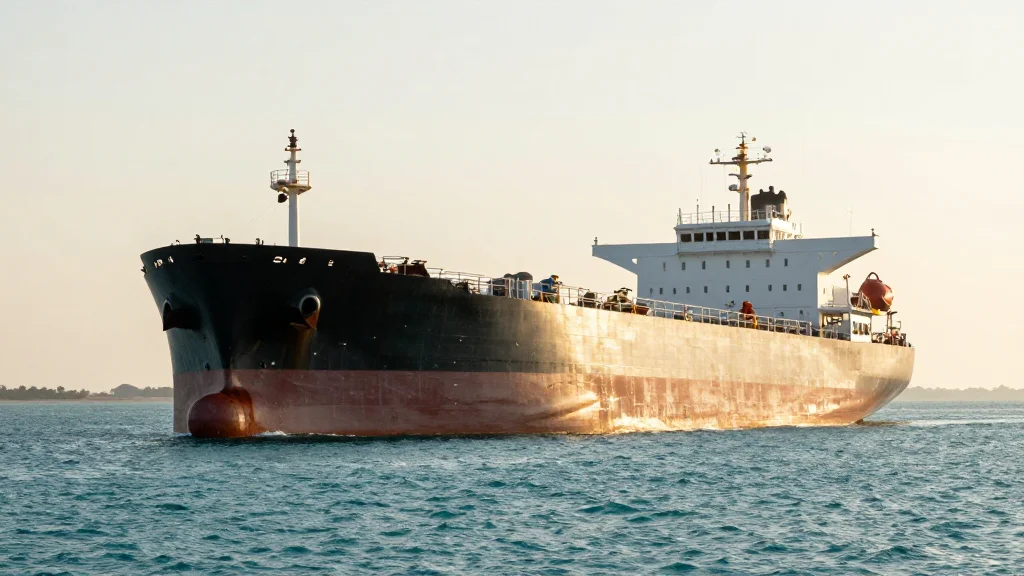
Asian Refiners Brace for Surge in Persian Gulf Oil After US-Iran Ceasefire Agreement
Why It Matters
The rapid release of Gulf oil will likely ease price pressures in Asia, reshaping refinery run‑rates and inventory strategies at a time when demand recovery remains fragile. It also signals a return to pre‑war export volumes, influencing global oil price dynamics.
Key Takeaways
- •31 supertankers (~62 million barrels) poised to exit Hormuz.
- •Asian refiners already stocked, may cut runs as supply surges.
- •Gulf exports expected to return to pre‑war levels by July.
- •Forward curve for Dubai crude shifts to bearish contango.
- •Prices dip as traders anticipate increased Persian Gulf supply.
Pulse Analysis
The interim US‑Iran cease‑fire agreement marks a pivotal moment for the global oil trade, ending months of uncertainty that kept the Strait of Hormuz effectively closed. By allowing the waterway to function again, the deal unlocks a massive cargo backlog—31 supertankers holding an estimated 62 million barrels of crude. This sudden release aligns with a broader de‑escalation in the Middle East, giving market participants a clearer view of supply fundamentals and reducing the geopolitical premium that had been baked into prices.
For Asian refiners, the timing is both a relief and a logistical challenge. Over the past two months, they have aggressively rebuilt stocks to offset earlier disruptions, securing alternative supplies from the United States and other regions. With the Gulf oil surge imminent, many will likely throttle their runs or divert crude to operational storage to avoid oversupply, especially as domestic demand for transport fuels remains subdued. The move also gives regional players—India, China, Japan—a chance to renegotiate contracts and potentially secure more favorable pricing before the market stabilises.
Market reactions have already materialised in futures pricing. The forward curve for Dubai and Murban crudes has flipped into contango, indicating expectations of lower near‑term prices as the influx swamps demand. Analysts at Goldman Sachs project that Gulf exports will normalise to pre‑war levels by the end of July, a timeline that could further depress Asian spot prices. Investors and traders will watch inventory data and refinery utilisation closely, as the balance between abundant supply and modest demand will dictate the next price cycle in the world’s largest oil‑consuming region.
Asian refiners brace for surge in Persian Gulf oil after US-Iran ceasefire agreement
Comments
Want to join the conversation?
Loading comments...