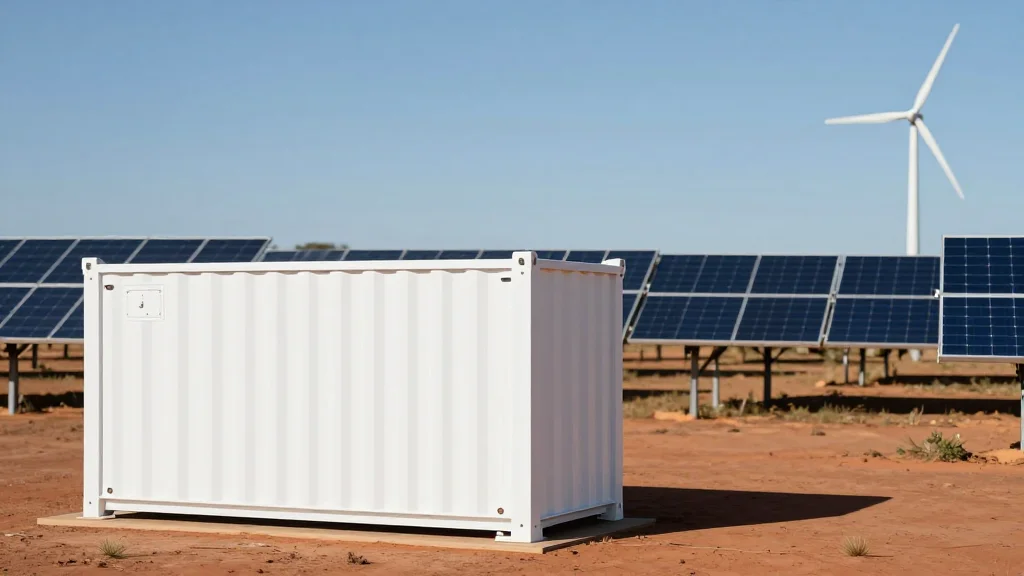
Australia Approves Large Solar, Wind, Battery Projects
Companies Mentioned
Why It Matters
The approvals lock in significant private investment and move Australia closer to its 2030 clean‑energy ambition, while the long‑term support model shapes financing expectations across the sector.
Key Takeaways
- •1.9 GW renewable generation and 3.7 GWh storage approved in WA.
- •CIS aims for 40 GW renewable capacity by 2026‑27.
- •Revenue support up to 15 years offered for projects launching by 2030.
- •Rounds 7‑8 target 9 GW generation and 4 GW storage.
- •Critics urge long‑term support focus on later project phases.
Pulse Analysis
Australia’s Capacity Investment Scheme is becoming the backbone of the nation’s renewable rollout. By earmarking up to 40 GW of generation and dispatchable capacity by 2026‑27, the government is translating its 82 % renewable electricity target for 2030 into concrete market signals. The recent approval of ten projects—spanning wind farms, hybrid solar‑battery sites, and stand‑alone storage—demonstrates how the CIS leverages long‑term revenue contracts to de‑risk capital‑intensive builds, especially in a market historically dominated by fossil‑fuel assets.
The approved portfolio delivers roughly 1.9 GW of new generation and 3.7 GWh of storage, primarily in Western Australia, a region that has lagged behind the east coast in renewable penetration. Developers such as Neoen, Shell Energy, and Trina Solar are now positioned to inject clean power into a grid that is grappling with intermittency and transmission constraints. The hybrid projects, like Killawarra’s 350 MW/2,100 MWh system, illustrate a growing trend toward integrated solutions that can both generate and shift energy, enhancing grid stability and reducing reliance on gas peaker plants.
Looking ahead, CIS rounds seven and eight will seek an additional 9 GW of generation and four‑hour storage for a 4 GW block, signaling a shift toward larger, multi‑technology assets. While industry groups praise the certainty of long‑term contracts, some analysts argue that support should be front‑loaded in later project phases to avoid over‑subsidising early‑stage development. The outcome of this policy debate will influence not only domestic investment flows but also Australia’s attractiveness to overseas clean‑energy capital, positioning the country as a potential hub for next‑generation renewable infrastructure in the Asia‑Pacific region.
Australia approves large solar, wind, battery projects
Comments
Want to join the conversation?
Loading comments...