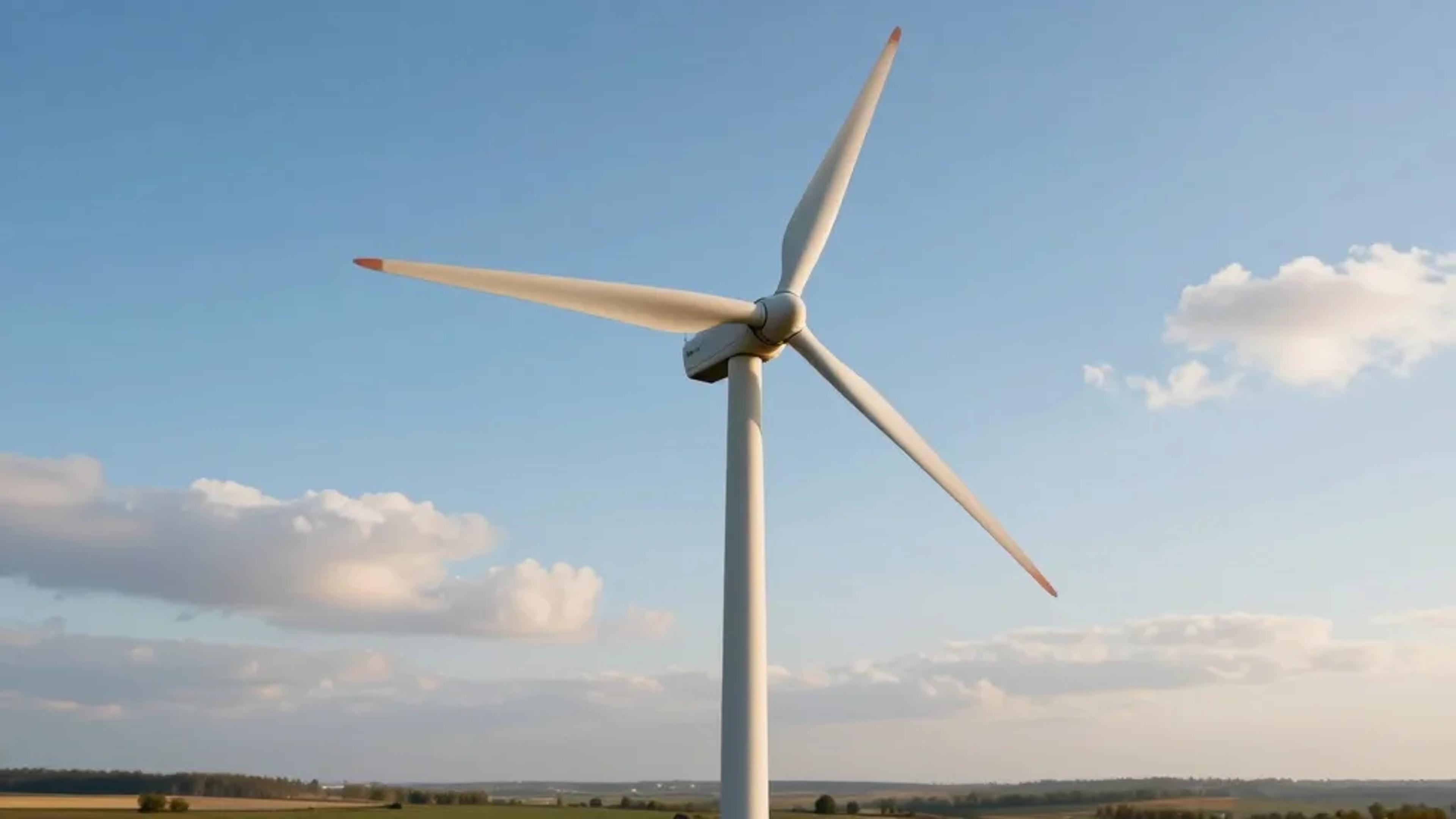
Australia’s Biggest Publicly Owned Wind Farm Gets Federal Green Tick to Go Ahead in Queensland
•February 20, 2026
0
Why It Matters
The project marks a pivotal step in Queensland’s transition to a diversified, low‑carbon energy mix, demonstrating how public ownership can accelerate large‑scale renewables and grid‑scale storage deployment.
Key Takeaways
- •436.5 MW Tarong West wind farm cleared federally.
- •Stanwell fully funds project after $776 million state deal.
- •97 Vestas turbines, 280 m tall, on 19,000 ha farmland.
- •Project targets commercial operation by 2027‑28.
- •Stanwell also launched 300 MW, 600 MWh Tarong battery.
Pulse Analysis
Queensland’s energy roadmap has long emphasized a balance between coal reliability and renewable growth. The federal green light for Tarong West gives the state its first fully public‑sector wind asset of this scale, signaling confidence in government‑backed capital for clean power. By leveraging Stanwell’s existing coal‑generation expertise, the project can integrate wind output with existing transmission infrastructure, reducing the need for new grid upgrades and smoothing the transition for regional consumers.
From a technical perspective, the 97 Vestas turbines—each 4.5 MW and towering 280 metres—will capture high‑altitude wind resources across the South Burnett’s cleared farmland. Coupled with the newly commissioned 300 MW Tarong battery, the combined portfolio offers firming capabilities that mitigate wind intermittency, providing dispatchable power during peak demand. This hybrid approach aligns with the Australian Energy Market Operator’s push for flexible resources and positions Queensland as a testbed for large‑scale renewable‑storage co‑location.
Market implications extend beyond state borders. Federal approval removes a major regulatory hurdle, inviting private investors to consider complementary projects in the region. However, political risk remains; the current LNP government’s recent cancellations of state‑approved renewables could affect timelines. Assuming stable policy, Tarong West is poised to attract downstream supply‑chain contracts, stimulate local employment, and set a precedent for publicly owned renewables across Australia, accelerating the nation’s net‑zero ambitions.
Australia’s biggest publicly owned wind farm gets federal green tick to go ahead in Queensland
Australia’s biggest publicly owned wind farm, a 436.5 megawatt project proposed for coal country in Queensland’s South Burnett region, has been cleared for construction, after being awarded federal environmental approval on Friday.
The Tarong West wind farm is 100 percent owned by the Queensland government‑owned generator Stanwell Corp, following an “historic deal” sealed in the last days of the former state Labor government which included the promise of $776 million to underwrite the project.
“Tarong West Wind Farm will be Australia’s largest publicly owned wind farm, which is a game changer for Queensland’s renewable energy future,” the then state energy minister Mick de Brenni said in a statement back in September 2024.
A month earlier, in August 2024, the wind farm received its state government approvals, with conditions imposed for offsetting impacts for up to 5.4 hectares of koala habitat and an accommodation strategy for workers to ensure housing supply in the region is not adversely affected.
The project’s federal approval through the EPBC Act appeared on the federal government website briefly on Friday, subject to a number of conditions.
For Tarong West wind farm, the federal green light means the project has all of its approvals in place – assuming the current LNP state government has no objections. Unfortunately, this is by no means a given, in light of the Crisafulli government’s retrospective cancellation of a state‑permitted wind farm and its recent call‑in of two battery projects.
The plan had been to make a Final Investment Decision in early 2026, with construction expected to begin soon after and commercial operations targeted for 2027‑2028.
On the Stanwell website, the company says Tarong West wind farm supports the generator’s strategy “to deliver affordable, reliable and sustainable energy through a geographically and technologically diverse portfolio.”
“It will also build on Stanwell’s long‑standing presence in the region, with the Tarong power stations continuing to play a critical role in Queensland’s energy system,” the site says.
Stanwell says the project will comprise 97 Vestas wind turbines, each with a capacity of 4.5 MW and standing up to 280 metres tall, spread out across around 19,000 hectares of mostly cleared farmland currently used for grazing.
It’s been a big week for Stanwell’s energy transition plans, with the official launch of commercial operations at its 300 megawatt, two‑hour Tarong Battery.
Stanwell announced the milestone late last week, celebrating the 600 megawatt‑hour battery as its “first dispatchable energy storage project,” which is located in the shadow of the Tarong coal power station.
“This is a significant milestone for Stanwell, our first wholly owned battery project, delivered end‑to‑end by our team from concept through to construction, operations and maintenance.” – Stanwell CEO Michael O’Rourke
“Stanwell’s deep experience operating and maintaining reliable coal‑fired power stations is powering a broader vision, to build a more flexible and reliable energy portfolio to meet Queensland’s growing energy needs.”
The Queensland government also marked the occasion, describing it as “another major milestone” in the state’s Energy Roadmap, just days after the official powering‑up of CleanCo’s Swanbank Battery south of Brisbane.
“Batteries for firming and storage are critical to our Energy Roadmap delivering affordable, reliable and sustainable energy for Queensland,” – State energy minister and treasurer David Janetzki.
0
Comments
Want to join the conversation?
Loading comments...