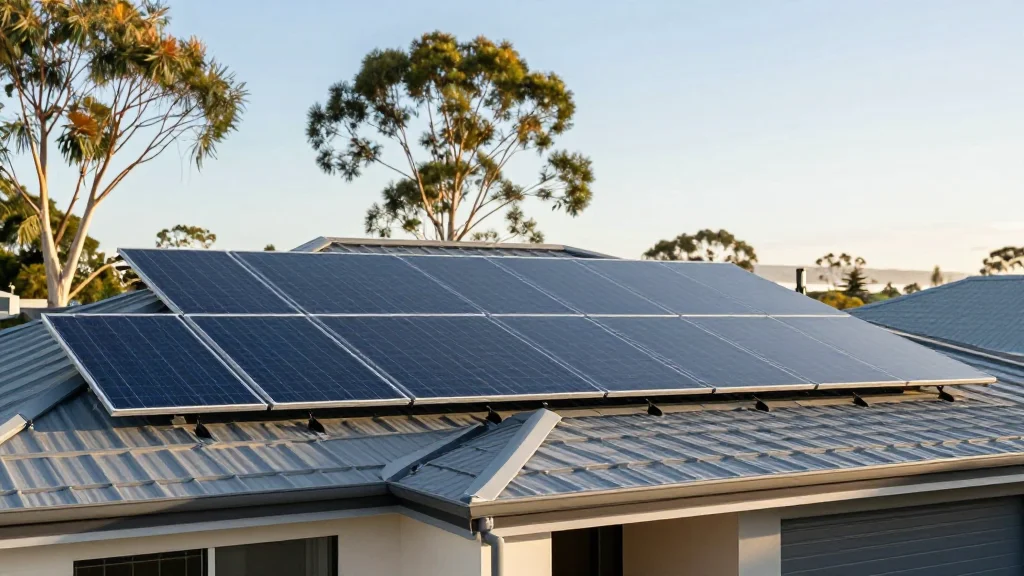
Australia Is Leading the World on PV Generation, but Risks Losing Its Seat at the Global Solar Table
Why It Matters
Continued IEA program participation safeguards Australia’s access to cutting‑edge research, global standards influence, and investment confidence in its multi‑billion‑dollar solar sector. Losing that seat would diminish the nation’s ability to shape worldwide clean‑energy policies and hamper industry growth.
Key Takeaways
- •Australia leads per‑capita rooftop solar adoption globally
- •IEA PVPS and SHC programs provide benchmark data and research networks
- •Funding lapses risk losing influence on international solar standards
- •Withdrawal could weaken investment confidence in Australia’s solar industry
- •2027 Solar World Congress highlights need for sustained global engagement
Pulse Analysis
Australia’s solar success is not merely a domestic story; it rests on a deep integration with the International Energy Agency’s Photovoltaic Power Systems and Solar Heating & Cooling programs. These collaborative platforms generate the metrics that policymakers cite—such as per‑capita PV capacity and rooftop penetration rates—and connect Australian researchers with a network of more than 55 countries. By contributing to task‑force reports and standards development, Australia has positioned itself as a reference point for emerging markets seeking practical renewable‑energy solutions.
The looming funding gap, however, threatens that strategic advantage. While Australia’s solar investments total tens of billions of dollars, the annual budget required to stay in the IEA programs is modest by comparison. A funding shortfall would sever access to early‑stage technology roadmaps, joint pilot projects, and the ability to shape global standards on grid integration, recycling, and low‑carbon buildings. Such a disconnect could dampen investor confidence, as international partners often look to IEA‑backed research when allocating capital to new solar ventures.
Looking ahead, the stakes are amplified by upcoming events and partnerships. Hosting the International Solar World Congress in 2027 and pursuing association with Horizon Europe signal Australia’s intent to deepen its global research footprint. Maintaining IEA program membership will ensure that Australian innovators can feed into these larger initiatives, leveraging shared expertise to accelerate domestic deployment and export opportunities. In short, sustained engagement is essential for Australia to retain its status as a renewable‑energy superpower and to keep its voice at the table where global solar policy is forged.
Australia is leading the world on PV generation, but risks losing its seat at the global solar table
Comments
Want to join the conversation?
Loading comments...