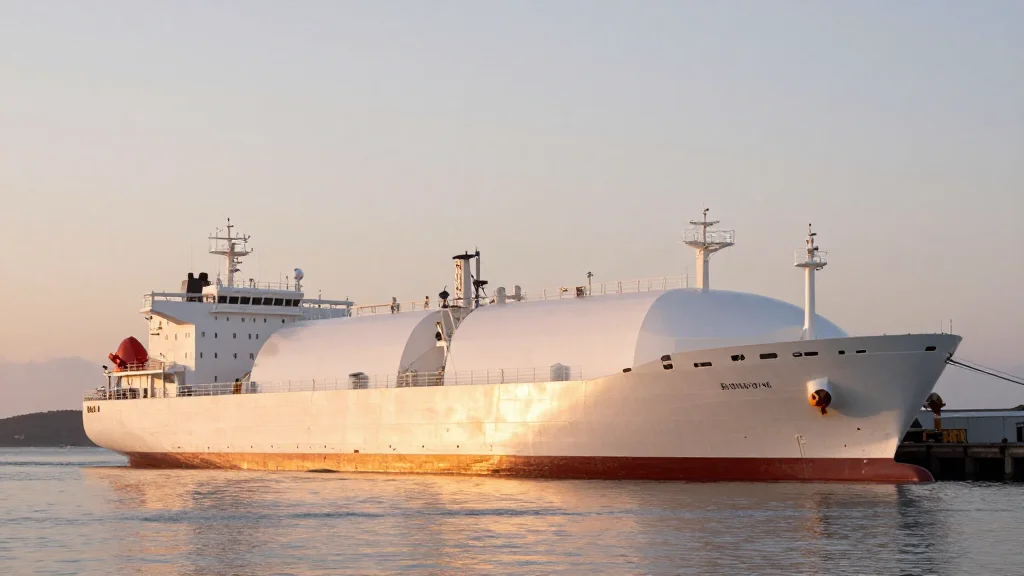
Australia Promises No Gas Tax on Existing LNG Contracts
Why It Matters
Preserving existing LNG contracts protects Australia’s export revenue and reassures Asian buyers, while the new reservation policy signals a balanced approach to future fiscal measures and energy security.
Key Takeaways
- •No export tax on existing LNG contracts, preserving current deals
- •Proposed 25% gas export tax blocked after industry and political pushback
- •New east‑coast gas reservation will apply only to future contracts
- •Australia’s fuel stockpiles cover ~49 days, below IEA 90‑day benchmark
- •Foreign minister tours Japan, China, South Korea to secure energy supplies
Pulse Analysis
Australia’s decision to forgo a tax on existing LNG contracts reflects a pragmatic response to mounting domestic pressure and the strategic importance of its gas exports. LNG accounts for a sizable share of Australia’s trade surplus, and a 25% levy would have jeopardized long‑term contracts with key Asian buyers such as Japan, China, and South Korea. By maintaining the status quo, the Albanese government signals stability to investors, preserving the confidence needed for new upstream projects and downstream infrastructure development. The move also sidesteps a potential escalation of trade tensions that could arise from a sudden fiscal imposition on a critical commodity.
The introduction of an east‑coast gas reservation, limited to future contracts, offers a compromise that could generate modest fiscal revenue without disrupting current supply chains. This reservation aligns with broader government aims to diversify revenue sources while protecting existing export flows. For Asian importers, the policy provides assurance that supply continuity will not be compromised, mitigating risks of price spikes in a market already sensitive to geopolitical shocks. Moreover, the reservation may encourage new entrants to negotiate longer‑term deals, knowing that the tax framework will apply only to contracts signed after its implementation.
Beyond LNG, Australia’s broader energy security picture remains fragile. The nation holds just 49 days of fuel reserves—well below the International Energy Agency’s 90‑day benchmark—raising concerns about its ability to weather supply disruptions. The foreign minister’s diplomatic tour of Japan, China, and South Korea underscores the urgency of securing not only LNG but also gasoline, gasoil, and jet fuel supplies. These outreach efforts aim to lock in reciprocal trade arrangements that can buffer both Australian and regional markets against the lingering fallout from the Middle East conflict and the country’s limited refining capacity. The combined policy stance—tax relief for existing LNG, a future‑focused reservation, and proactive diplomacy—positions Australia to sustain its role as a reliable energy supplier while navigating fiscal and geopolitical challenges.
Australia promises no gas tax on existing LNG contracts
Comments
Want to join the conversation?
Loading comments...