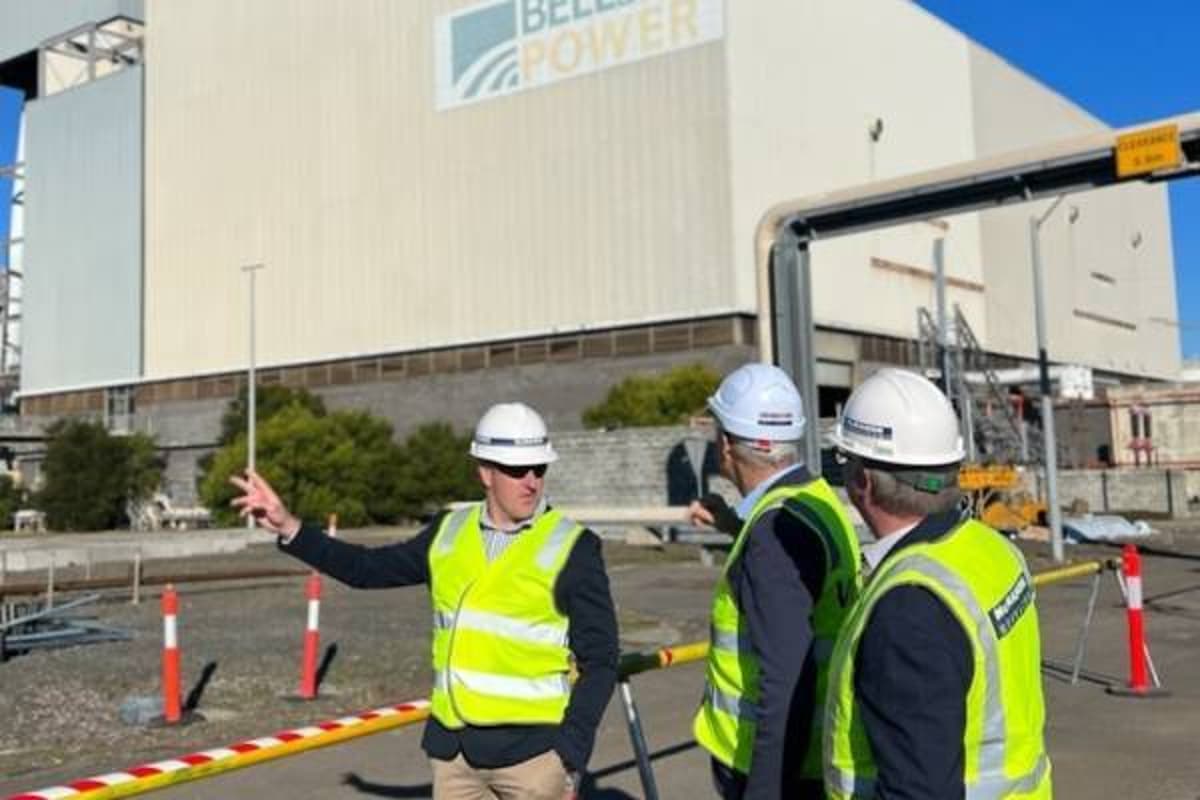
Australia Shortlists Renewable Hydrogen Projects for Funding Support
Why It Matters
The shortlist signals Australia’s continued push to become a renewable hydrogen export hub, while the reduced budget raises questions about the pace and scale of commercial deployment.
Key Takeaways
- •ARENA shortlisted 2024 Round 2 hydrogen projects across multiple states.
- •Government cut program budget to A$1 bn ($722 m) in 2026.
- •Round 1 received over A$1.2 bn ($866 m) in commitments.
- •Since 2017, ARENA funded 68 projects with A$396 m ($286 m).
- •Applicants have until Sep 2026 to submit full proposals.
Pulse Analysis
Australia has positioned itself as a potential global leader in renewable hydrogen, leveraging abundant wind and solar resources to generate low‑carbon fuel at scale. The strategy aligns with a broader push to decarbonise hard‑to‑abate sectors such as aviation, maritime transport and nitrogen‑based fertilisers. International demand for clean‑energy carriers is accelerating, with the International Energy Agency projecting a ten‑fold increase in hydrogen production by 2030. By nurturing a domestic supply chain, Australia hopes to capture export revenues while reducing its own carbon footprint.
The Hydrogen Headstart Program, administered by the Australian Renewable Energy Agency, provides a ten‑year production credit to bridge the cost gap between renewable hydrogen and market prices. Round 2 follows an initial round that secured more than A$1.2 bn ($866 m) in commitments, and the agency has allocated A$396 m ($286 m) to 68 projects since 2017. However, the 2026 federal budget halved the program’s total funding to A$1 bn ($722 m), tightening the pool of capital available for large‑scale electrolyser builds. Shortlisted applicants must deliver full proposals by early September 2026, after which the Minister for Climate Change and Energy will decide on final awards.
The trimmed budget introduces a risk‑adjusted calculus for investors, but the program’s production‑credit mechanism still offers a predictable revenue stream that can de‑risk capital‑intensive electrolyser projects. Successful pilots could unlock export pathways to Asian markets, where demand for green ammonia and synthetic fuels is surging. Moreover, domestic use in fertiliser production and heavy‑duty transport could improve Australia’s energy resilience. Stakeholders are watching closely to see whether the shortlisted projects can demonstrate commercial viability before the next funding round, a factor that will shape the country’s long‑term hydrogen export ambitions.
Australia Shortlists Renewable Hydrogen Projects for Funding Support
Comments
Want to join the conversation?
Loading comments...