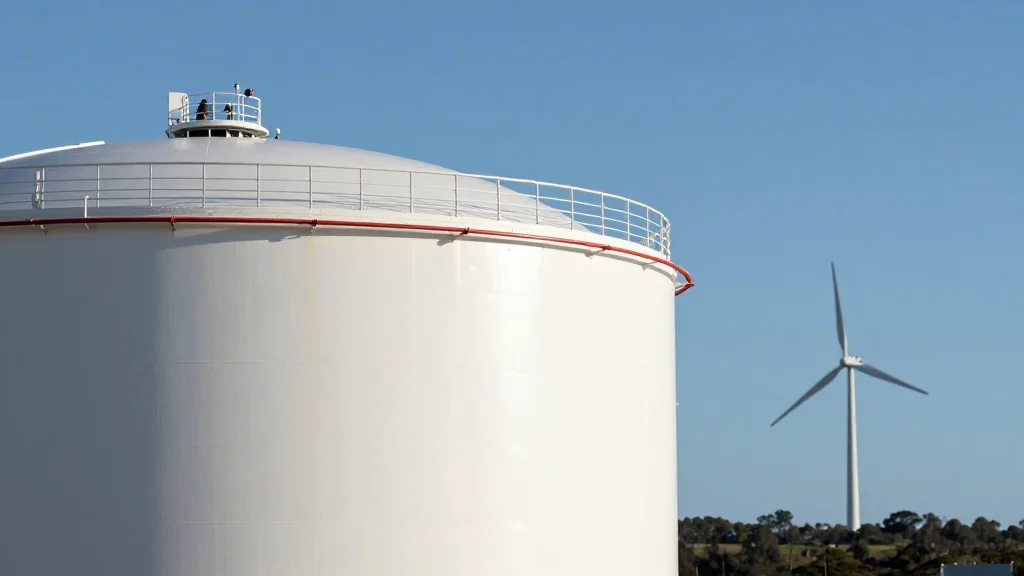
Australia to Reserve 20% of Gas Exports for Domestic Market
Why It Matters
The reservation directly affects Australia’s energy security and could reshape export earnings, influencing global LNG supply dynamics.
Key Takeaways
- •Reserve 20% of gas exports for Australian consumers starting July 1, 2027
- •Policy design to be finalized after industry consultations later this year
- •Domestic gas prices may rise as supply shifts from export markets
- •Exporters warn of reduced revenues and potential project delays
Pulse Analysis
Australia is the world’s third‑largest liquefied natural gas (LNG) exporter, with annual shipments exceeding 80 million tonnes and revenues surpassing $30 billion USD. Rising domestic consumption, driven by power‑sector decarbonisation and a growing petrochemical hub, has strained local gas availability. In response, the Albanese government has framed a “gas reservation” as a national security measure, aiming to keep enough feedstock for electricity generation and emerging hydrogen projects. The move reflects a broader trend among resource‑rich nations to balance export earnings with internal energy resilience. The domestic shortfall has already prompted utilities to sign short‑term contracts at premium rates.
The scheme mandates that exporters set aside 20 percent of their LNG volumes for the Australian market, effective 1 July 2027. The government will publish detailed rules after a consultation window that closes later this year, covering eligibility, pricing mechanisms and penalties for non‑compliance. By earmarking a slice of future shipments, policymakers hope to curb price spikes during peak summer demand and support the transition to lower‑carbon generation. Critics argue the policy could undermine long‑term contracts and deter new upstream investment. A price‑cap mechanism is also under review to prevent excessive cost burdens on households.
Industry groups have voiced sharp opposition, warning that the reservation could shave billions off projected export earnings and delay planned projects such as the $10 billion North West Shelf expansion. Analysts predict a modest uptick in domestic gas prices, which may accelerate interest in alternative fuels like renewables and battery storage. International buyers, meanwhile, could seek supply from competing exporters such as Qatar or the United States, reshaping regional LNG trade flows. The policy’s ultimate success will hinge on how effectively Canberra balances domestic energy security with the profitability of its export‑driven gas sector. If the reservation proves costly, the government may revisit the percentage or introduce compensation schemes for affected exporters.
Australia to reserve 20% of gas exports for domestic market
Comments
Want to join the conversation?
Loading comments...