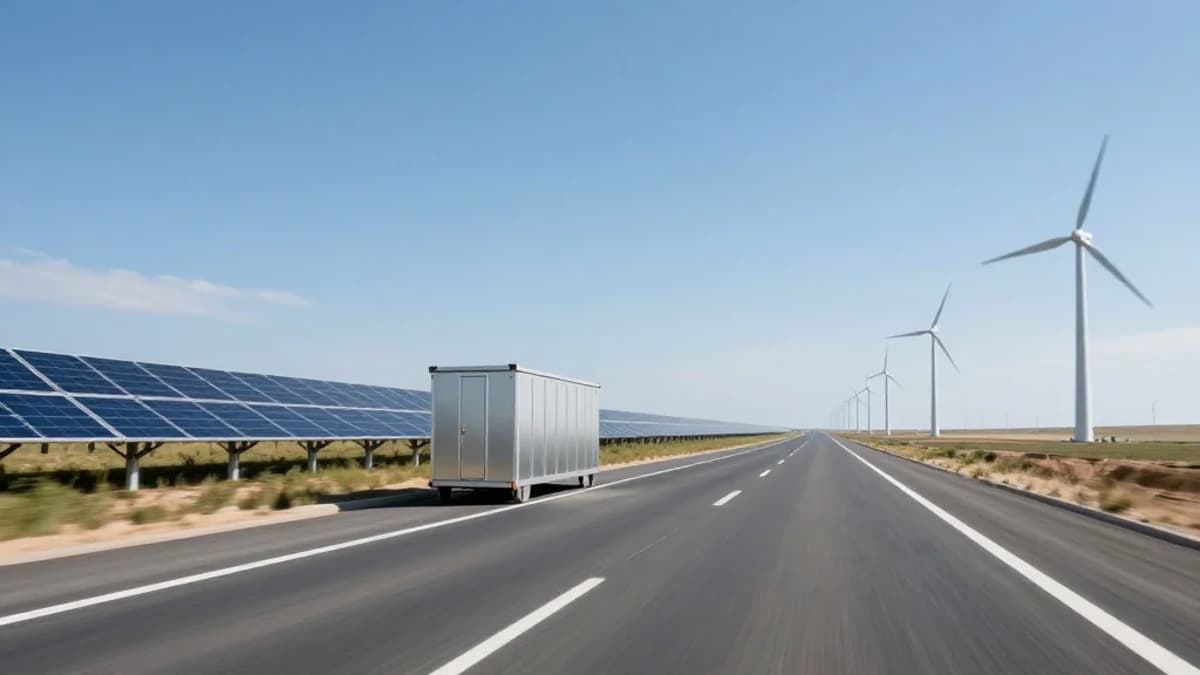
Australian Renewables Pipeline “Running Laps” Around Net Zero Targets. It’s the Pace that Is Lacking
•March 3, 2026
0
Why It Matters
Delays in turning pipeline capacity into operating assets keep Australia’s energy costs high and jeopardise its ability to meet climate commitments, affecting investors, utilities and consumers alike.
Key Takeaways
- •Australia holds 670 GW renewable pipeline, double needed capacity.
- •Only 200 GW required to meet 2050 net‑zero goal.
- •Planning approvals cause major delays, especially in NSW.
- •Victoria aims to add 9 GW offshore wind by 2040.
- •Faster utility‑scale projects needed to lower energy prices.
Pulse Analysis
The sheer magnitude of Australia’s renewable pipeline – 670 GW of wind, solar and battery projects – signals a market ripe with capital and technology. Yet the gap between announced capacity and operational output highlights a classic supply‑chain paradox: abundant resources are idle without timely execution. Investors are watching closely, as the pipeline’s size promises economies of scale that could drive down the levelized cost of electricity, but only if projects move beyond the planning stage.
Regulatory inertia is the primary friction point. State‑level planning processes, notably in New South Wales, are stretched by lengthy objection periods and fragmented approvals, inflating development timelines and costs. This slowdown not only erodes the financial attractiveness of new builds but also sustains reliance on fossil‑fuel generation, keeping wholesale prices elevated. Policy reforms that streamline consent, standardise grid connection criteria, and provide clearer transmission pathways are essential to unlock the pipeline’s potential and align delivery rates with the nation’s net‑zero roadmap.
Victoria’s proactive stance illustrates how targeted state action can catalyse progress. By declaring Renewable Energy Zones and outlining a transmission plan, the state aims to attract utility‑scale projects and integrate 9 GW of offshore wind by 2040. Such coordinated strategies can serve as a blueprint for other jurisdictions, encouraging private investment and accelerating the transition to a low‑carbon grid. Ultimately, faster project execution will lower energy costs, enhance grid reliability, and cement Australia’s position as a leader in renewable energy deployment.
Australian renewables pipeline “running laps” around net zero targets. It’s the pace that is lacking
0
Comments
Want to join the conversation?
Loading comments...