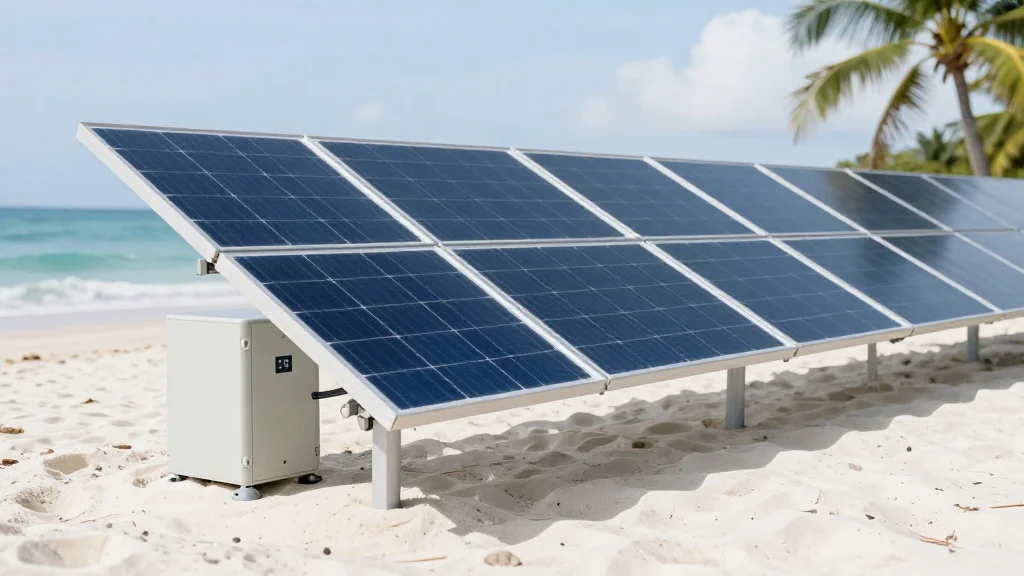
Australian Solar Company Signs Historic Deal to Help “Entire Country” Quit Diesel Power
Why It Matters
The agreement provides Nauru with a cost‑stable, low‑carbon power source while demonstrating a scalable commercial model that could accelerate renewable adoption across diesel‑dependent Pacific islands.
Key Takeaways
- •Nauru consumes 8 M litres diesel annually for 13,000 residents.
- •Smart Commercial Energy to install 18 MW solar, 40 MWh battery.
- •Project funded via commercial PPA, not traditional aid.
- •System could be bought out by Nauru government later.
- •Deal showcases new commercial model for Pacific island energy transition.
Pulse Analysis
The Republic of Nauru, a 21‑km² island nation of just 13,000 people, currently burns roughly 8 million litres of imported diesel each year to generate electricity. This reliance not only drives up costs—diesel prices on remote islands can exceed $2 per litre—but also locks the country into a high‑carbon energy mix vulnerable to supply disruptions. As climate change intensifies sea‑level rise and extreme weather across the Pacific, governments are under pressure to decarbonise quickly, making renewable solutions a strategic priority.
Smart Commercial Energy, a Sydney‑based solar and energy‑services firm, has signed an MOU to deliver an 18‑megawatt solar farm paired with 40 megawatt‑hours of battery storage. The system is sized to cover Nauru’s 40 gigawatt‑hour annual load, with a standing demand of 2 MW and peaks near 4.5 MW. Rather than relying on grant‑based aid, the project will be built, financed and operated under a commercial power purchase agreement, giving Nauru the option to purchase the assets later. This structure shifts financial risk to the developer while guaranteeing a fixed electricity price for the island.
The arrangement signals a broader shift in how Australian clean‑tech firms approach Pacific markets. By leveraging PPAs, companies can scale solar‑plus‑storage projects without waiting for sovereign aid, accelerating the region’s transition to resilient, low‑carbon grids. Investors see the model as a way to tap into a $10‑plus billion market for island electrification, while host nations gain energy security and reduced import bills. If successful, the Nauru deal could become a template for similar agreements across Micronesia, Melanesia and Polynesia, reshaping the economics of remote power.
Australian solar company signs historic deal to help “entire country” quit diesel power
Comments
Want to join the conversation?
Loading comments...