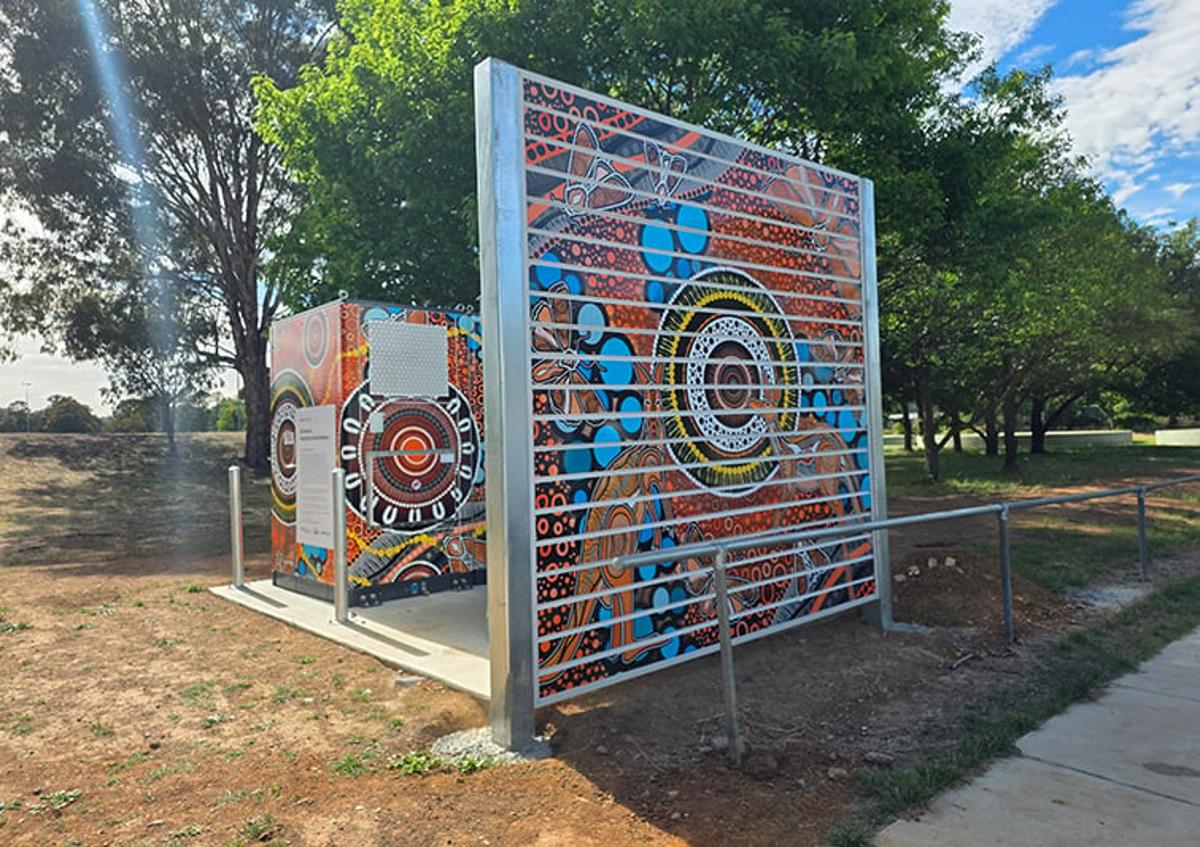
Australia’s ACT Government Completes Its First Community Battery Network with New 450kWh System
•March 4, 2026
0
Why It Matters
By providing shared storage, the ACT network reduces peak‑demand stress, defers costly grid upgrades and expands solar access for renters and apartments, illustrating a scalable model for other jurisdictions.
Key Takeaways
- •ACT completes 450 kWh community battery in Dickson
- •Network now totals 1,125 kWh storage across three sites
- •Program funded AU$1.5 million for ACT installations
- •Community batteries defer network upgrades and support solar adoption
Pulse Analysis
Community batteries are emerging as a pragmatic bridge between rooftop solar proliferation and the need for grid stability. Unlike individual home storage, these shared assets sit at the distribution level, capturing excess generation during midday and discharging it during evening peaks. This model lowers the financial barrier for renters and multi‑unit dwellings, while providing utilities with a flexible tool to manage voltage fluctuations and defer expensive network reinforcement.
In Canberra, the ACT’s three‑site network exemplifies how targeted investment can accelerate local energy resilience. The Dickson installation, with 450 kWh capacity and 220 kW output, serves roughly 47 households, complementing the larger Fadden system that supports over 1,400 homes. Integrated with Evoenergy’s distribution network, the batteries operate under a real‑time dispatch algorithm that optimises charge‑discharge cycles based on solar output and demand forecasts. The rollout coincides with the upcoming 250 MW/500 MWh Williamsdale grid‑scale battery, which will add ancillary services such as fast‑acting frequency control, further strengthening the NEM’s reliability.
Nationally, the federal Community Batteries for Household Solar programme aims to install 400 neighbourhood‑scale units, addressing the gap where private battery adoption is limited. As Australia’s solar penetration climbs, shared storage mitigates curtailment and smooths demand peaks, unlocking additional renewable capacity without extensive grid upgrades. The convergence of AI‑driven forecasting, supportive policy funding, and private‑public partnerships positions community batteries as a cornerstone of the country’s transition to a low‑carbon, decentralized energy system.
Australia’s ACT government completes its first community battery network with new 450kWh system
0
Comments
Want to join the conversation?
Loading comments...