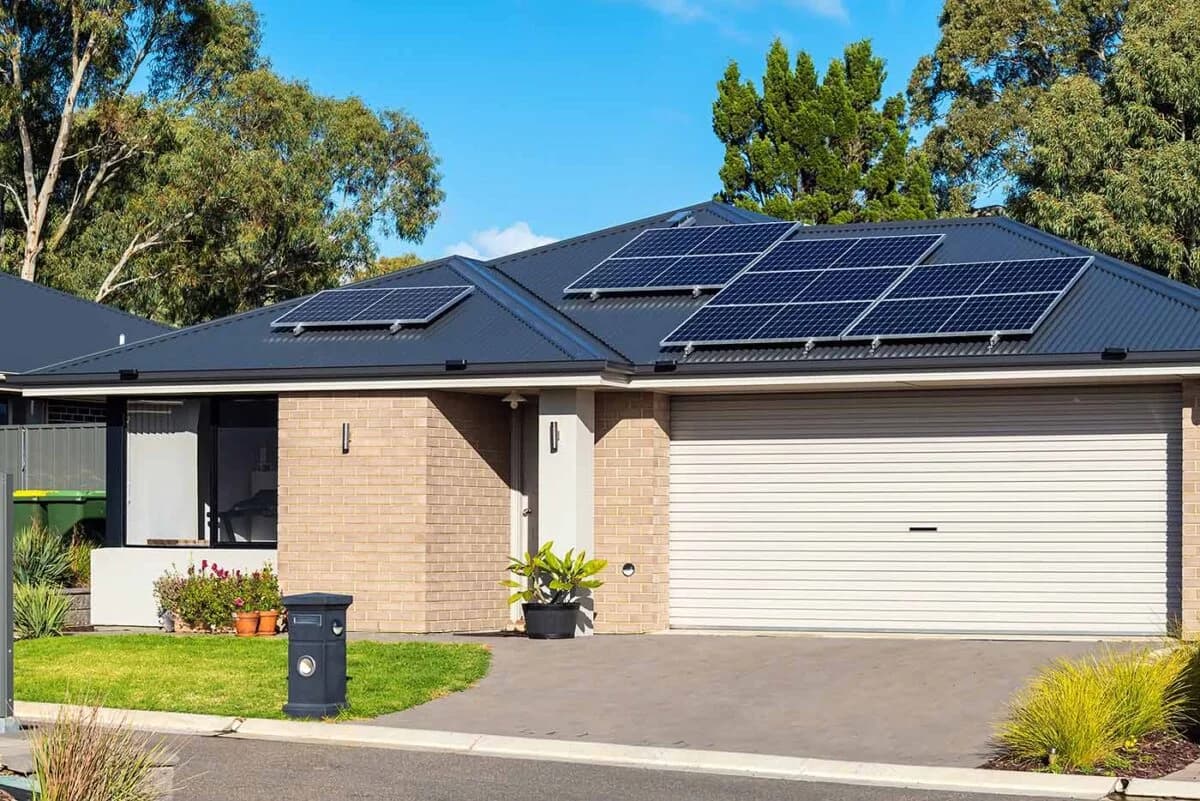
Australia’s Clean Energy Transition Has Been Powered by People. Solar for Renters Is the Next Chapter
•February 12, 2026
0
Why It Matters
Including renters unlocks a sizable market, cuts living costs, and strengthens Australia’s climate leadership by ensuring the clean‑energy transition is socially inclusive.
Key Takeaways
- •Renters comprise over one‑third of Australian households.
- •Solar‑for‑renters policy lacks incentives for landlords.
- •Consensus: accelerated depreciation plus state efficiency standards.
- •Batteries popular; solar can double by 2035 with renters.
- •Tax reform could align landlord incentives with renter savings.
Pulse Analysis
Australia’s rooftop solar boom has become a cornerstone of its renewable strategy, propelled by generous rebates such as the Cheaper Home Batteries Program that subsidises roughly 30 % of battery costs. While owner‑occupiers have reaped the financial and environmental rewards, more than a third of Australians who rent have been left out of the savings and emissions reductions. This exclusion creates a hidden inefficiency: unused roof space on rental properties could generate megawatts of clean power, lowering grid strain and household bills if properly incentivised.
Recent policy experiments suggest a viable path forward. A Pol.is survey involving landlords, renters and owners revealed a clear preference for accelerated depreciation on solar and energy‑efficiency upgrades, paired with mandatory minimum efficiency standards set by states. Such a carrot‑and‑stick approach aligns landlord financial interests with tenant benefits, turning split incentives into shared gains. Coupled with upcoming capital‑gains‑tax reforms aimed at younger buyers, the fiscal environment is ripe for tax‑credit mechanisms that reward landlords for installing solar, effectively turning a cost‑of‑living measure into a climate and housing equity tool.
The timing is amplified by Australia’s upcoming role at COP31, where the nation can showcase not only its rooftop‑solar leadership but also its commitment to equitable energy access. Extending solar to rental units would signal a scalable model for other high‑solar‑potential, high‑rental‑rate economies across the Asia‑Pacific. By unlocking the roofs of renters, Australia could double its residential solar capacity by 2035, delivering up to $1,400 annual savings per household while reinforcing its global reputation as a pragmatic, inclusive climate innovator.
Australia’s clean energy transition has been powered by people. Solar for renters is the next chapter
0
Comments
Want to join the conversation?
Loading comments...