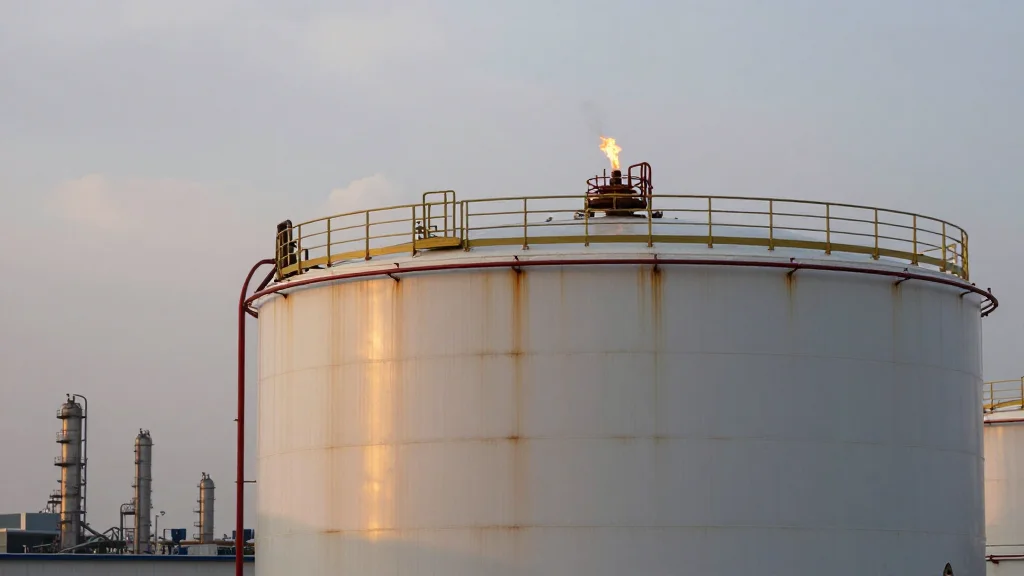
Australia's Geelong Refinery Outage Extends, Tightening Fuel Supply

Companies Mentioned
Why It Matters
The Geelong refinery outage underscores Australia's vulnerability to supply chain shocks in a market that lacks sufficient domestic refining capacity. With gasoline and diesel prices already sensitive to global events, the extended repairs could translate into higher transport costs for businesses and households, feeding inflationary pressures. Moreover, the incident highlights the strategic importance of diversifying energy sources and bolstering strategic reserves to mitigate future disruptions. On a broader scale, the fire adds to a string of refinery incidents worldwide that have collectively tightened global refined‑oil supplies. As nations grapple with geopolitical tensions—particularly in the Middle East—and aging refinery infrastructure, the Geelong case serves as a cautionary example of how localized incidents can reverberate through national energy markets and policy debates.
Key Takeaways
- •Geelong refinery output down to ~60% for petrol, ~80% for diesel and jet fuel
- •Repairs to the residue catalytic cracking unit (RCCU) expected to finish in June
- •Australia relies on imports for the majority of refined fuels, heightening import risk
- •Federal Energy Minister Chris Bowen labeled the capacity loss a "setback"
- •Potential for higher retail fuel prices as global supply constraints persist
Pulse Analysis
The Geelong incident arrives at a moment when the global refining landscape is under unprecedented strain. A spate of fires—from Texas to India—has trimmed the effective global refining capacity, while geopolitical tensions in the Strait of Hormuz have throttled seaborne oil flows. For Australia, which operates just two large refineries, the loss of even a fraction of output translates directly into market tightness and price volatility. Historically, Australia has relied on a modest domestic refining base to buffer against Asian market swings; the current outage erodes that buffer.
Strategically, the episode may accelerate calls for a national fuel security strategy. Options on the table include expanding existing facilities, incentivizing new private investment, or establishing a strategic petroleum reserve akin to those in the United States and Europe. Each path carries significant capital costs and regulatory hurdles, but the cost of inaction—persistent price spikes and supply insecurity—could outweigh the upfront expense.
In the short term, Viva Energy’s ability to manage inventories will be critical. The company's statement that fuel stocks remain adequate suggests a well‑planned buffer, yet any misstep in logistics or further disruptions could quickly erode that cushion. Market participants should monitor import volumes from Asian hubs, as any bottleneck there will compound domestic pressures. Overall, the Geelong refinery’s extended downtime is a microcosm of a fragile global energy system where localized incidents can have outsized national repercussions.
Australia's Geelong refinery outage extends, tightening fuel supply
Comments
Want to join the conversation?
Loading comments...