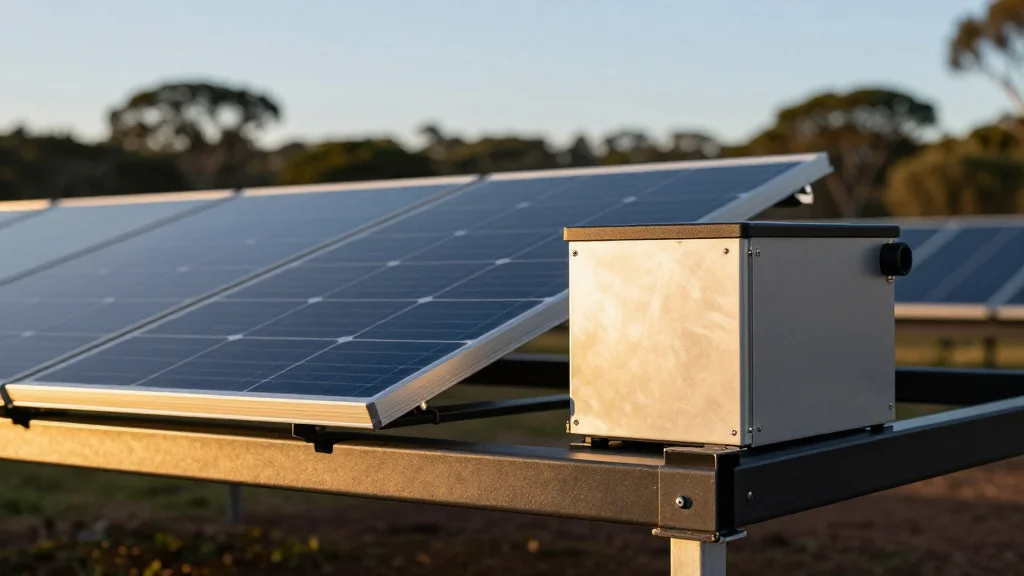
Australia’s NEM Adds 4.4 GW of Renewables and Storage in Record Year

Why It Matters
The rapid commissioning of 4.4 GW of renewable generation and storage reshapes Australia’s electricity supply, reducing reliance on coal and enhancing grid resilience. By doubling the previous year’s output, the NEM is moving closer to its 2030 decarbonisation goals, while also creating new revenue streams for investors in solar‑plus‑storage projects. However, the growth is tempered by planning and integration hurdles that could slow future investment. Addressing these challenges is essential for maintaining Australia’s competitive edge in clean‑energy technology and for meeting both domestic climate commitments and export ambitions in renewable energy services.
Key Takeaways
- •29 projects delivering 4.4 GW reached full output by June 2025, double the prior year’s total.
- •Third‑quarter 2025 saw 10 projects online, including 613 MW of solar PV and 485 MW of battery storage.
- •260 projects (53 GW) are now in the NEM connections process, a 39 % YoY increase.
- •18 projects totalling 6.5 GW received approval in Q3, with an average approval time of 9.4 months.
- •New Queensland planning rule and inconsistent approvals are flagged as major investment barriers.
Pulse Analysis
Australia’s NEM is at a crossroads where the scale of new renewable and storage capacity can either cement a clean‑energy future or expose systemic fragilities. The 4.4 GW surge reflects a maturing market that has learned to bundle solar with batteries, a model that mitigates intermittency and offers firm capacity. Grid‑forming batteries, in particular, are a game‑changer because they can provide inertia and frequency support traditionally supplied by coal plants.
Yet the regulatory landscape lags behind technology. The Clean Energy Investor Group’s warning about planning inconsistency is more than a bureaucratic gripe; it translates into delayed cash flows and heightened risk premiums for developers. Queensland’s strict planning rule, while aimed at community protection, could inadvertently push projects to other states, reshaping the geographic distribution of new capacity. If approvals continue to average under ten months, the market may still attract capital, but any slowdown could see investors pivot to jurisdictions with clearer pathways.
Strategically, the next 12‑18 months will test whether policy reforms can keep pace with the pipeline’s momentum. AEMO’s forthcoming outlook will likely set new benchmarks for storage participation, and the upcoming Battery Asset Management Summit Australia 2025 could catalyse best‑practice sharing. For the broader energy sector, Australia’s experience offers a template for integrating large‑scale storage into an existing grid, a lesson that other coal‑dependent economies will watch closely as they chart their own decarbonisation routes.
Australia’s NEM Adds 4.4 GW of Renewables and Storage in Record Year
Comments
Want to join the conversation?
Loading comments...