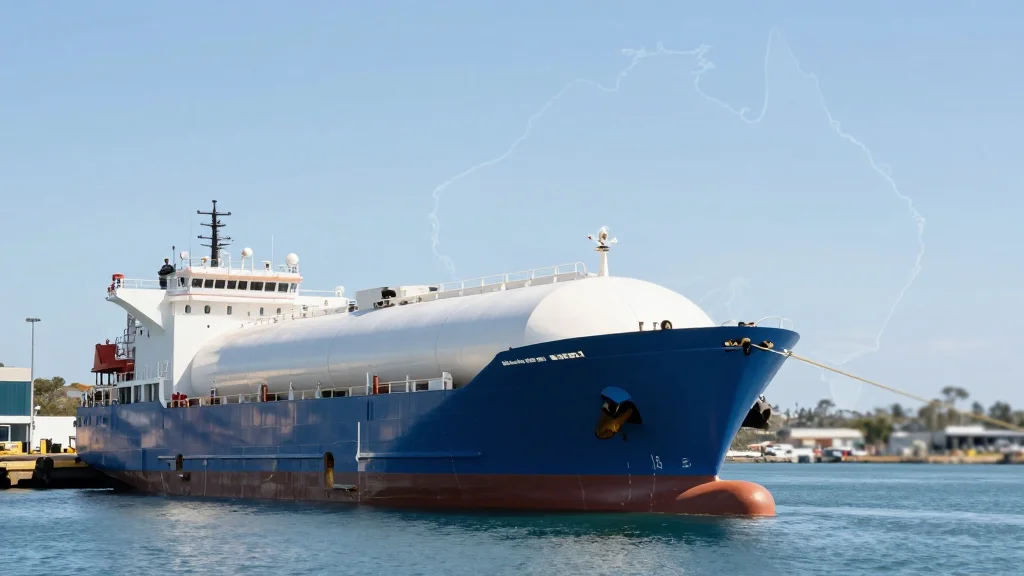
Australia’s ‘Petro-Diplomacy’ Eases Fuel Shortage Fears
Companies Mentioned
Why It Matters
The move stabilises Australia’s transport, mining and agricultural sectors and preserves its reputation as a reliable LNG and coal exporter. It also demonstrates how energy trade can be leveraged diplomatically to mitigate geopolitical shocks.
Key Takeaways
- •Australia secured extra 450 M litres diesel and 100 M litres jet fuel
- •Fuel stocks at 33 days diesel, 43 days petrol, 28 days jet
- •Government pledged US$7.2 billion for fuel and fertilizer reserves
- •Petro‑diplomacy deals with Japan, Korea, Singapore, Malaysia, Brunei, China
Pulse Analysis
Australia’s fuel market has long been vulnerable because the nation imports virtually all refined petroleum products. The war in the Middle East and a fire at one of its two remaining refineries in April amplified concerns, prompting panic buying and daily government updates on empty pumps. With diesel reserves slipping below a 30‑day safety net, policymakers faced a stark choice: accept supply disruptions that could cripple mining exports and agricultural logistics, or find a rapid, coordinated solution.
The answer came in the form of "petro‑diplomacy," a concerted outreach to key Asian refiners and Western suppliers. High‑level visits, such as Japanese Prime Minister Sanae Takaichi’s Canberra trip, produced joint energy statements that guaranteed continued shipments. Simultaneously, Foreign Minister Penny Wong negotiated the resumption of Chinese jet‑fuel sales, while the United States dispatched a fleet of seven tankers carrying diesel. These actions lifted national inventories to 33 days of diesel, 43 days of petrol and 28 days of jet fuel—levels that now exceed those recorded before the Middle East conflict began.
Looking ahead, the Australian government is institutionalising this diplomatic playbook. A US$7.2 billion budget will fund a new 1‑billion‑litre strategic fuel reserve, shifting away from reliance on a Texas‑based emergency stockpile. Analysts warn that global oil inventories sit near an eight‑year low and Asian refinery utilisation remains sub‑optimal, meaning the current cushion could erode if supply chains tighten further. Nevertheless, the successful deployment of petro‑diplomacy underscores how energy‑dependent economies can turn trade leverage into a stabilising force, buying time to diversify domestic refining capacity and reduce future exposure to geopolitical shocks.
Australia’s ‘petro-diplomacy’ eases fuel shortage fears
Comments
Want to join the conversation?
Loading comments...