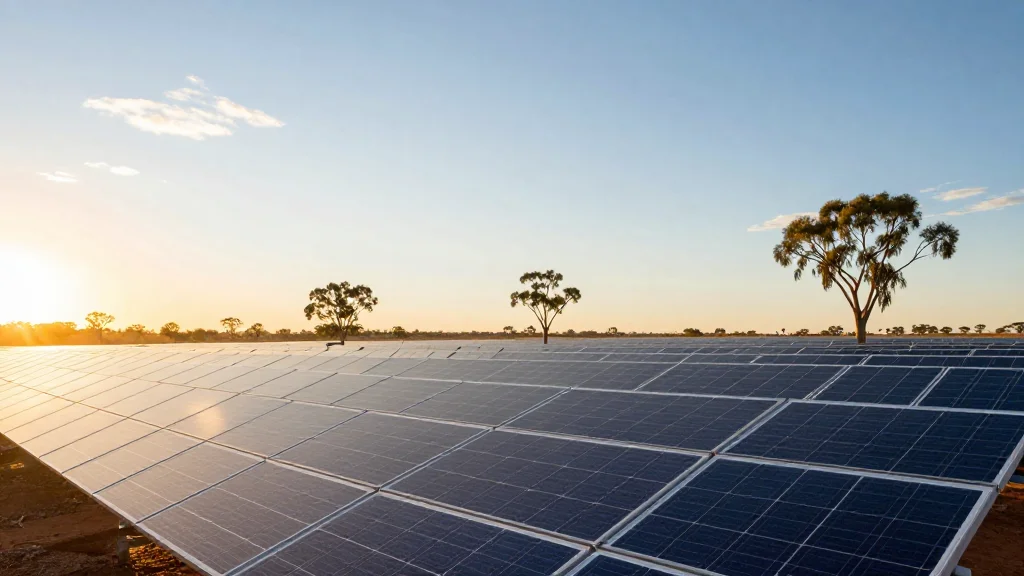
Australia’s Sliding Doors Moment: From “Dig and Ship” To Trusted Renewables Transition Partner
Why It Matters
The findings signal a strategic inflection point for Australia’s economy and diplomatic clout, as investors and regional partners increasingly favor renewable‑focused energy security over fossil‑fuel ties. Ignoring the shift could erode Australia’s market share and geopolitical influence in the Indo‑Pacific.
Key Takeaways
- •WWF report flags Australia as highly vulnerable under fossil‑fuel energy model
- •Clean‑energy investment in Indo‑Pacific now 2‑to‑1 versus fossil fuels
- •Report urges Australia to pivot from ‘dig and ship’ to renewable partner
- •Regional peers like China already reducing fossil reliance, setting new benchmark
- •Credibility depends on coherent policies, not mixed signals of expanding fossil exports
Pulse Analysis
Australia’s energy landscape is at a crossroads. While its coal and LNG sectors have long underpinned export revenues, the rapid acceleration of renewable technologies across the Indo‑Pacific is reshaping the calculus of energy security. Investors now see solar, wind, and storage projects delivering lower levelized costs than new fossil‑fuel plants, and governments are prioritising diversification to shield economies from supply shocks. This transition is not merely environmental; it is a competitive imperative that redefines which nations are viewed as reliable partners in the region’s power grid.
The WWF‑Australia report underscores that clean‑energy capital flows have already eclipsed fossil‑fuel spending by a factor of two in the Indo‑Pacific. Countries such as China and South Korea are committing billions to grid‑scale renewables and electrification, creating a market where Australian fossil exports will face shrinking demand. For Australian firms, the opportunity lies in leveraging world‑class solar irradiance, wind corridors, and critical‑mineral deposits to supply equipment, expertise, and financing for cross‑border renewable projects. By shifting from a "dig and ship" mindset to co‑investment and co‑delivery models, Australia can capture value chains that extend beyond commodity sales.
However, credibility will be the decisive factor. Mixed signals—simultaneously expanding LNG capacity while touting renewable leadership—risk eroding trust among prospective partners. Coherent policy frameworks, transparent project pipelines, and alignment of public finance with private investment are essential to demonstrate commitment. If Australia can synchronize its diplomatic outreach with tangible renewable‑energy outcomes, it will not only safeguard its economic interests but also cement its role as a cornerstone of regional energy resilience, turning a potential vulnerability into a strategic advantage.
Australia’s sliding doors moment: From “dig and ship” to trusted renewables transition partner
Comments
Want to join the conversation?
Loading comments...