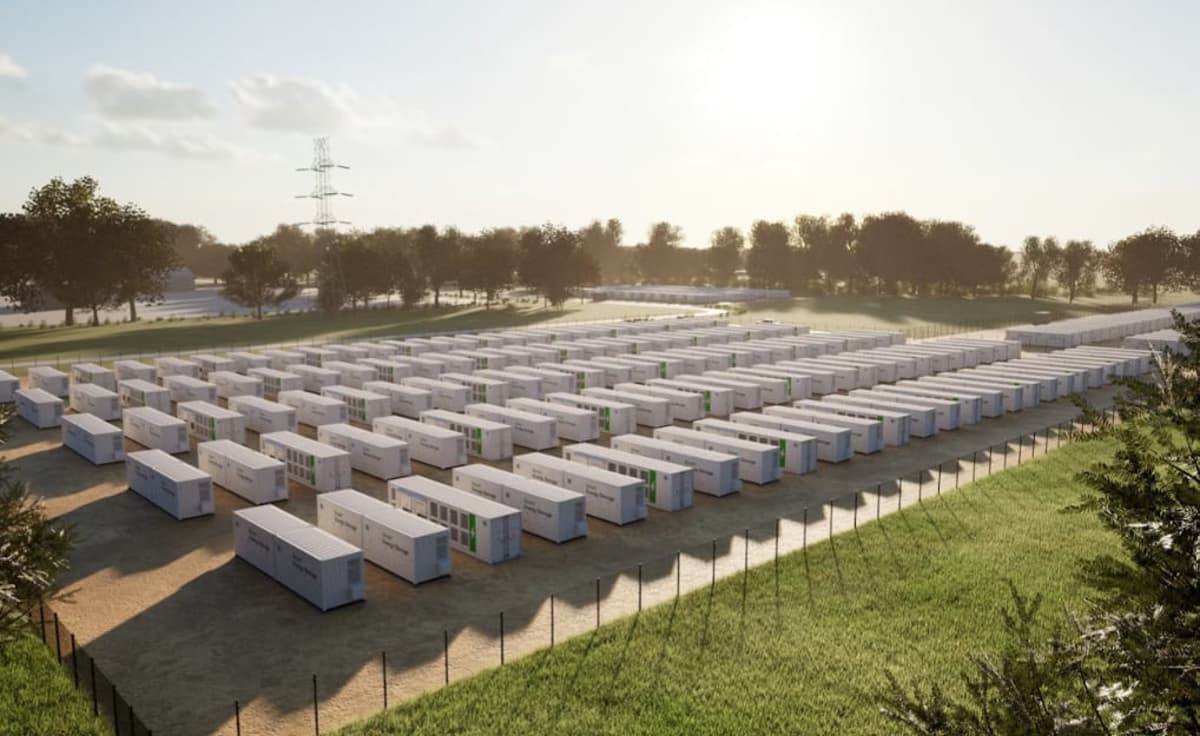
Australia’s Victoria Fast-Tracks 1,390MW of Battery Storage Development Facilitation Program Approval Round
Why It Matters
Accelerating utility‑scale storage strengthens grid reliability and can lower wholesale electricity prices, positioning Victoria as a renewable‑energy leader in Australia. The program’s success also highlights policy‑driven investment models that could shape future energy planning nationwide.
Key Takeaways
- •AU$2.4bn approved for four Victorian energy projects.
- •Morwell BESS delivers 1,000 MW, 4‑hour storage.
- •DFP total value surpasses AU$11bn for 30+ projects.
- •Nine Mile BESS expands to 1,000 MWh by 2026.
- •Opposition may scrap DFP before November election.
Pulse Analysis
Victoria’s energy market has long grappled with planning bottlenecks that delayed renewable projects for years. The Development Facilitation Program (DFP) was introduced to bypass the Victorian Civil and Administrative Tribunal for eligible projects, preserving community consultation while slashing approval timelines. By the end of 2026, the DFP has fast‑tracked over AU$11 billion in investments, reflecting a strategic shift toward decisive, government‑backed infrastructure delivery. This approach not only accelerates construction but also signals confidence to private capital, encouraging further participation in the state’s clean‑energy transition.
The latest approval round adds four high‑impact projects, collectively delivering 1,390 MW of battery capacity and 80 MW of wind generation. The flagship Morwell battery, a 1,000 MW/4,000 MWh system, will anchor the 500 kV Hazelwood terminal, providing critical firming services for the region’s coal‑heavy grid. Meanwhile, Pacific Green’s Nine Mile BESS will scale to 1,000 MWh by 2026, and the Gelliondale wind‑plus‑storage site will generate roughly 300 GWh annually, diversifying Gippsland’s energy mix. These assets enhance dispatchability, reduce reliance on fossil peaker plants, and are expected to push wholesale power prices lower, delivering tangible savings to Victorian consumers.
Political dynamics add a layer of uncertainty: the opposition has pledged to dismantle the DFP if elected in November, potentially stalling the pipeline of projects that have already attracted significant private investment. Should the program survive, it could serve as a template for other Australian states seeking to overcome regulatory inertia. Even if altered, the momentum generated by these approvals underscores a broader market trend—rapidly scaling utility‑scale storage to complement intermittent renewables, a necessity for Australia’s ambition to meet its 2030 net‑zero targets.
Australia’s Victoria fast-tracks 1,390MW of battery storage Development Facilitation Program approval round
Comments
Want to join the conversation?
Loading comments...