Avoid These 8 Solar Mistakes that Cut Your Power Output in Half - I Learned the Hard Way
Companies Mentioned
Why It Matters
Even modest errors can double payback periods and jeopardize safety, making them costly for homeowners and small‑scale installers.
Key Takeaways
- •South‑facing panels at latitude‑matched tilt boost generation
- •Dust reduces output up to 20 %; clean regularly
- •Use realistic peak‑sun‑hour calculations; expect ~77 % derate
- •Inspect MC4 connectors; loose links waste power
- •Invest in durable equipment; cheap gear shortens lifespan
Pulse Analysis
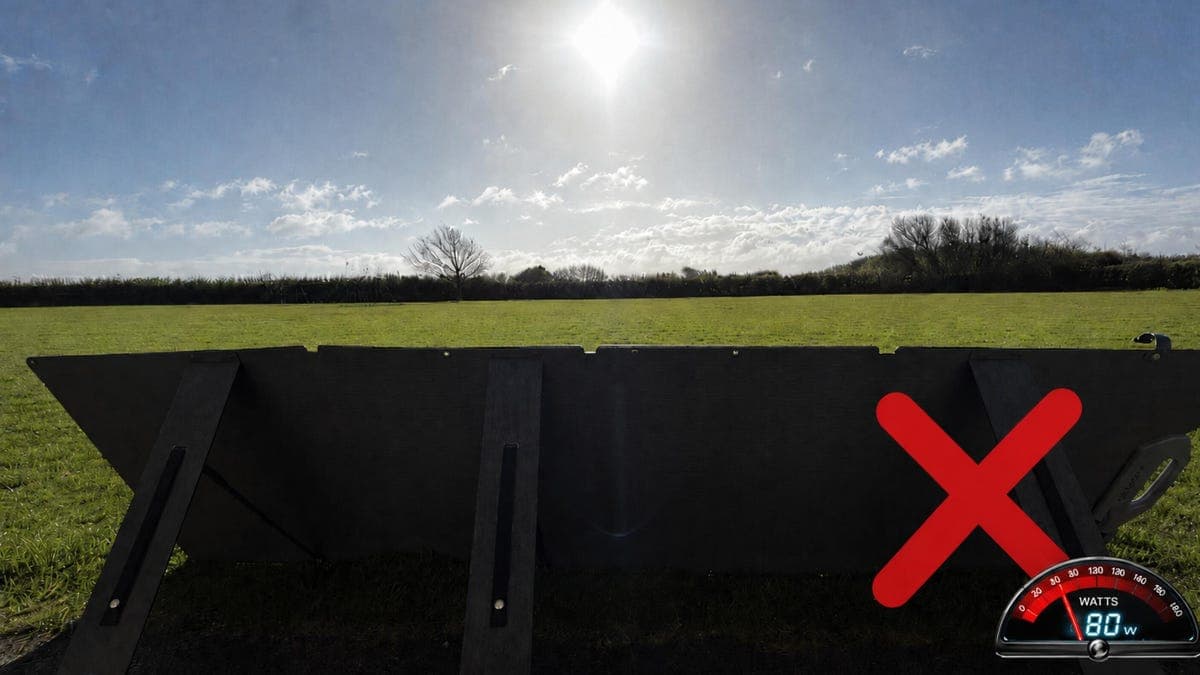
The residential solar market continues its rapid expansion as more consumers seek energy independence and lower utility bills. Yet the technology’s performance hinges on fundamentals that many DIY installers overlook. Proper panel orientation—ideally south‑facing in the Northern Hemisphere—and a tilt angle that mirrors local latitude maximize incident sunlight, while avoiding shade from trees or structures prevents the disproportionate losses that even a single leaf can cause.
Accurate energy modeling is equally critical. Peak‑sun‑hour (PSH) data provides a theoretical ceiling, but real‑world output must be derated, typically around 77 % to account for temperature, inverter efficiency, and wiring losses. Homeowners who assume a 400 W array will deliver 400 W continuously often underestimate payback periods; a realistic calculation shows a Utah installation yields roughly 1.8 kWh per day, translating to about $0.24 in daily savings—insufficient to recoup a $400 panel cost in under five years without careful load management.
Maintenance and equipment quality round out the equation. Regularly cleaning panels removes dust that can shave 20 % off output, while inspecting MC4 connectors ensures every module contributes power. Investing in robust, warranty‑backed panels and power stations avoids premature failure, and integrating smart plugs or energy monitors helps users curb unnecessary consumption. Together, these practices transform a modest solar setup from a hobbyist experiment into a reliable, cost‑effective power source.
Avoid these 8 solar mistakes that cut your power output in half - I learned the hard way
Comments
Want to join the conversation?
Loading comments...