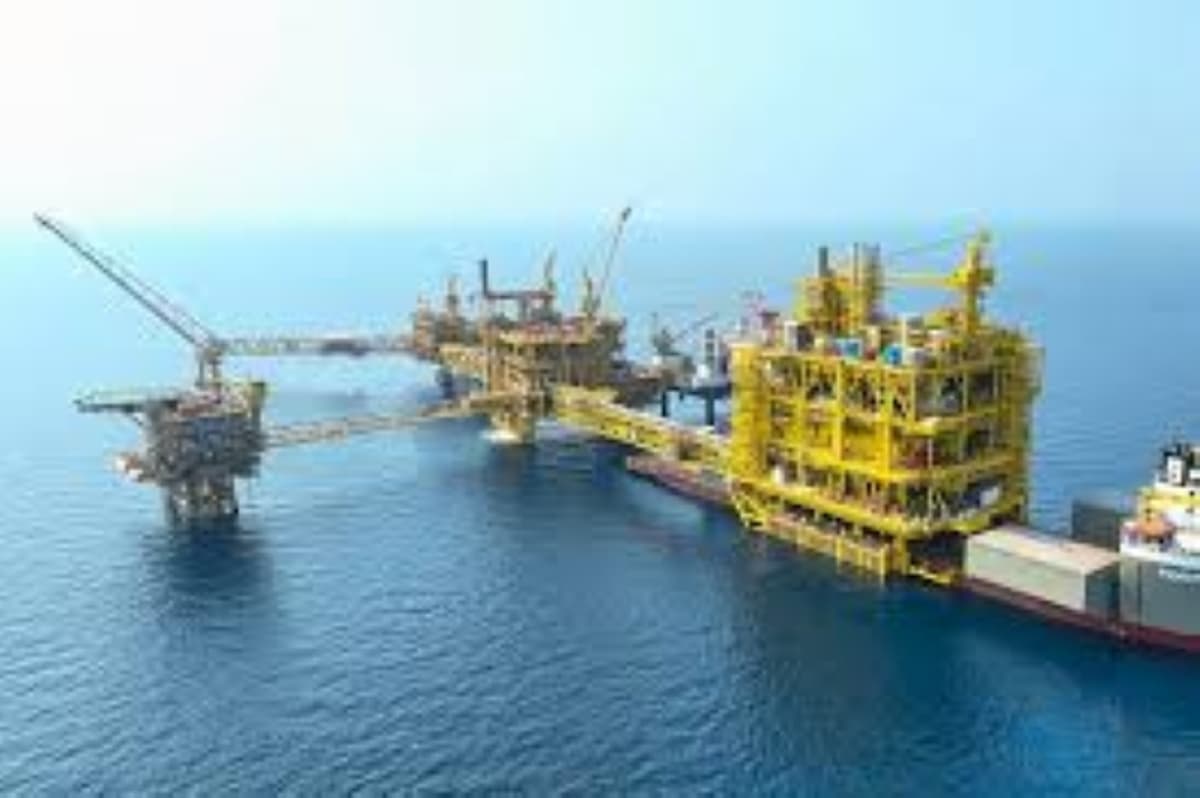
Baleine Phase 3 FID Approved by Eni as Côte D’Ivoire Strengthens Position as a Regional Energy Hub
Why It Matters
Doubling production will boost Ivory Coast’s fiscal revenues and energy security, while giving Eni a larger foothold in West Africa’s fast‑growing oil‑gas market.
Key Takeaways
- •Phase 3 lifts oil output to 150,000 bbl/day.
- •Gas production rises to 200 million cf/day for domestic use.
- •New FPSO enhances efficiency and lowers environmental impact.
- •Ownership: Eni 47.25%, Vitol 30%, Petroci 22.75%.
- •Project positions Côte d’Ivoire as West African energy hub.
Pulse Analysis
The Baleine field, discovered in 2021 across the CI‑101 and CI‑802 blocks, has quickly become Ivory Coast’s flagship offshore asset. After Phase 1 entered production in 2023 and Phase 2 expanded output, the newly approved Phase 3 will more than double oil capacity to 150,000 barrels per day and triple gas output to 200 million cubic feet per day. A purpose‑built floating production storage and offloading vessel (FPSO) will anchor the expansion, promising higher operational efficiency and a reduced carbon footprint compared with conventional platforms.
All gas slated for Phase 3 is earmarked for the domestic market, directly feeding the national grid and supporting the Gribo‑Popoli hydropower cascade. This reliable supply is expected to lower electricity tariffs, stimulate heavy‑industry projects, and attract foreign manufacturers seeking stable power. Fiscal projections suggest that the additional oil and gas volumes could add several hundred million dollars to Ivory Coast’s annual revenue, reinforcing its ambition to serve as a West African energy and industrial hub.
The ownership structure—Eni 47.25%, Vitol 30%, Petroci 22.75%—reflects Eni’s ‘dual exploration model’ of retaining operatorship while leveraging strategic partners to accelerate capital deployment. For Eni, Baleine strengthens its African upstream portfolio and dovetails with its broader LNG and gas‑monetisation strategy across the continent. While the project is marketed as a low‑emission development, it still faces scrutiny from environmental groups demanding a clearer pathway to net‑zero. Successful execution will hinge on balancing rapid industrialisation with the growing demand for decarbonisation in the region.
Baleine Phase 3 FID Approved by Eni as Côte d’Ivoire Strengthens Position as a Regional Energy Hub
Comments
Want to join the conversation?
Loading comments...