Bangladesh Eyes Energy Sector Overhaul as Iran War Drags On
Why It Matters
The initiative safeguards Bangladesh’s economic stability and positions it for a more resilient, low‑carbon energy future, crucial for a rapidly growing economy.
Key Takeaways
- •Bangladesh plans comprehensive energy sector reform amid Iran conflict
- •Government aims to secure fuel supplies, avoid shortages
- •Short‑term measures focus on consumer price stability
- •Diversification includes renewable investments and alternative import routes
- •Planning adviser emphasizes resilience without immediate supply collapse
Pulse Analysis
The protracted Iran war has sent shockwaves through global oil markets, tightening supply chains and inflating prices. Bangladesh, a net importer of crude and refined products, feels the pressure acutely due to its limited domestic reserves and heavy reliance on seaborne imports. Disruptions in Red Sea shipping lanes and heightened geopolitical risk have prompted Dhaka to reassess its energy security strategy, ensuring that any external shock does not translate into domestic scarcity.
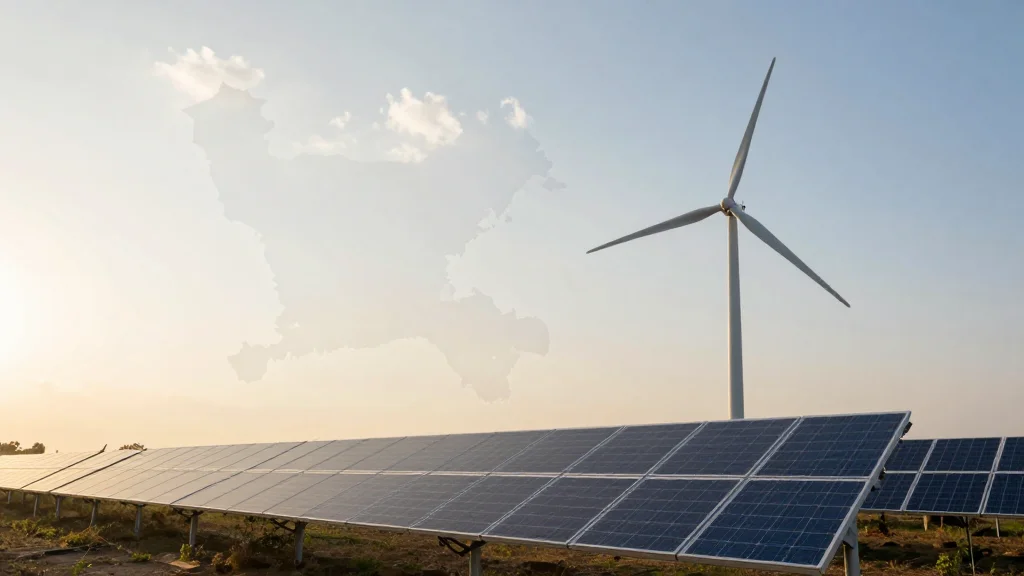
In response, the Bangladeshi administration is drafting a multi‑pronged overhaul that blends regulatory reform with infrastructure investment. Key components include expanding strategic petroleum reserves, negotiating diversified LNG contracts, and fast‑tracking renewable projects such as solar parks and offshore wind pilots. The government also plans to modernise the power grid, introduce market‑based pricing mechanisms, and streamline licensing to attract foreign capital. By broadening its supply portfolio, Bangladesh aims to reduce dependence on any single source and cushion the economy from volatile oil price swings.
For businesses and investors, the overhaul signals a fertile environment for energy‑related ventures. Enhanced policy certainty and incentives for clean‑energy projects are likely to draw multinational firms seeking emerging‑market footholds. Moreover, a more stable energy landscape will support Bangladesh’s industrial expansion, export competitiveness, and urbanisation goals. As the country builds resilience against external shocks, it also aligns with global decarbonisation trends, positioning itself as a potential regional hub for sustainable power generation.
Bangladesh eyes energy sector overhaul as Iran war drags on
Comments
Want to join the conversation?
Loading comments...