Bangladesh Offers Sweetened Terms in Offshore Tender
Companies Mentioned
Why It Matters
The tender could draw foreign investment, boost domestic gas supply, and reduce Bangladesh’s reliance on expensive LNG imports, strengthening energy security.
Key Takeaways
- •Bangladesh offers 26 offshore blocks, 15 deep‑water, 11 shallow‑water
- •Exploration acreage relinquishment cut to 20% from 50%
- •Workers’ welfare fund contribution lowered to 1.5% of revenue
- •Gas price linked to Brent, $70‑$100 per barrel floor‑ceiling
- •Tender aims to revive foreign investment after zero‑bid 2024 round
Pulse Analysis
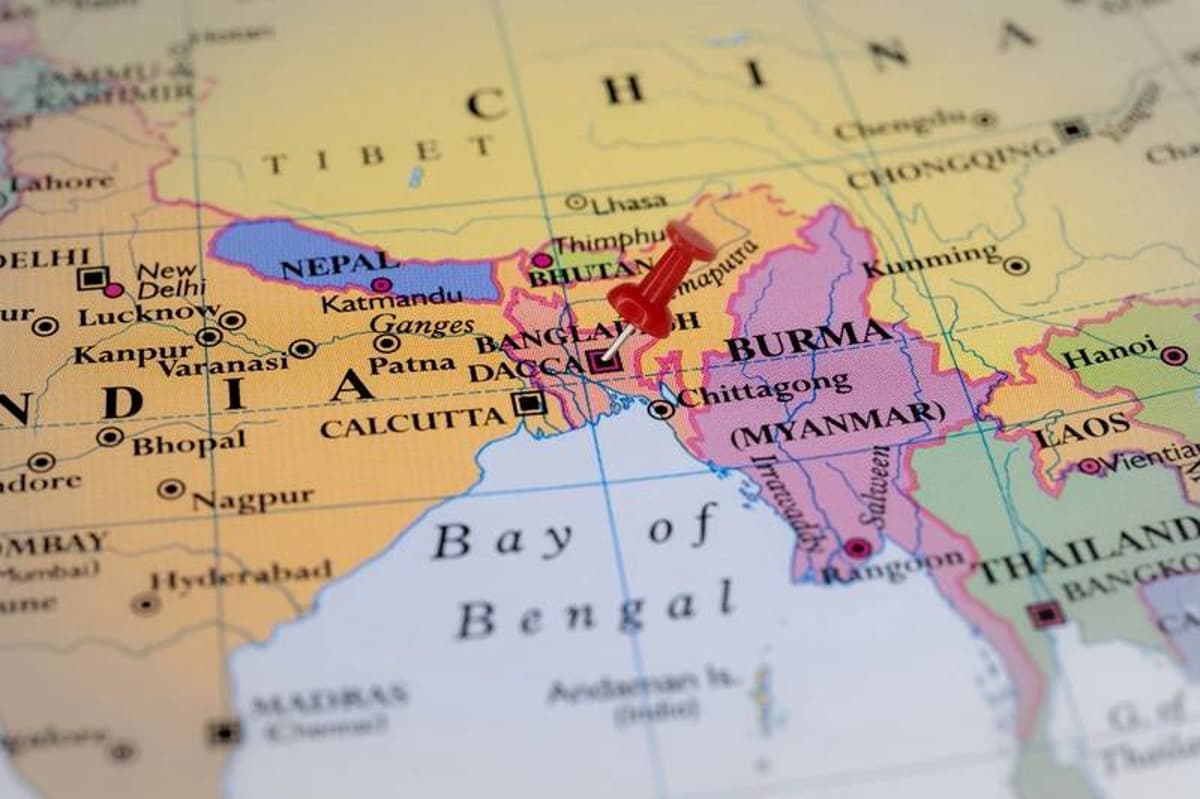
Bangladesh’s energy landscape has been strained by dwindling onshore gas reserves and a growing reliance on imported liquefied natural gas, which now accounts for a sizable share of the country’s power mix. Rising global LNG prices and geopolitical volatility have amplified the urgency for domestic supply. After a 2024 offshore licensing round that attracted zero bids, the government relaunched the process on June 1, offering 26 blocks in the Bay of Bengal. The new tender is positioned as a cornerstone of the nation’s strategy to curb import dependence and stabilize energy costs.
5% of revenue. More importantly, the pricing formula now ties deep‑water gas to the three‑month average Brent crude price, with a floor of $70 and a ceiling of $100 per barrel, replacing the earlier high‑sulphur fuel‑oil benchmark. These concessions aim to improve project economics and address the profit‑sharing concerns that deterred multinational firms in the earlier round.
Regional rivals such as India, Myanmar and Pakistan have accelerated deep‑water exploration, underscoring the competitive pressure on Bangladesh to unlock its offshore potential. If the tender attracts major players like ConocoPhillips or ONGC, the country could secure several billion cubic feet of gas annually, easing the $1‑plus per MMBtu cost differential with imported LNG. Successful bids would also signal policy credibility, encouraging further foreign direct investment in the broader energy sector. However, investors will still weigh infrastructure challenges, including pipeline development and maritime boundary clarity, before committing capital.
Bangladesh Offers Sweetened Terms in Offshore Tender
Comments
Want to join the conversation?
Loading comments...