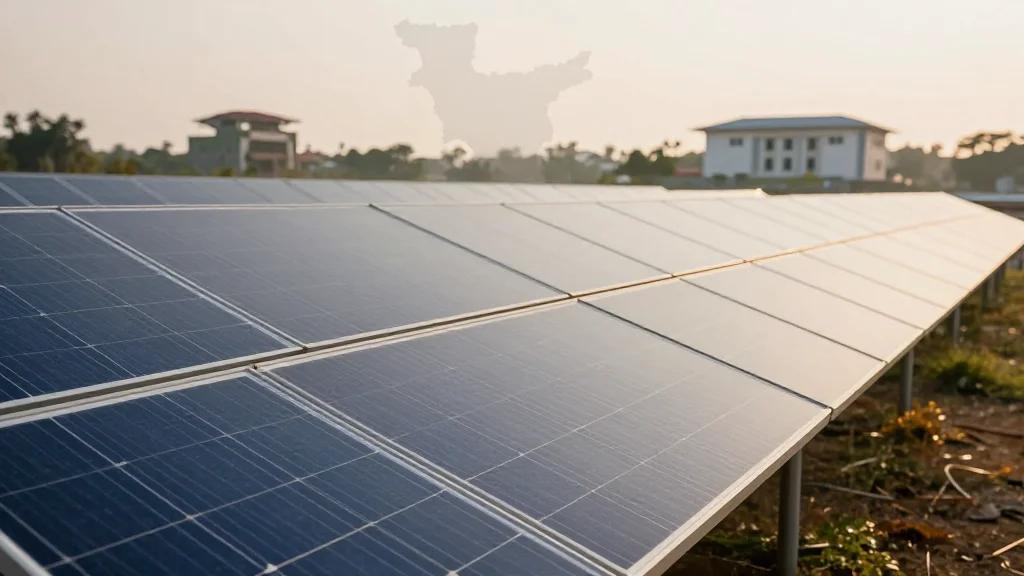
Bangladesh Opens Public Land to Utility-Scale Solar Under PPP Model
Why It Matters
By unlocking government land for solar, Bangladesh can fast‑track clean‑energy deployment, improve energy security, and position itself as a regional hub for renewable investment.
Key Takeaways
- •PPP guidelines allow private solar on unused government land
- •BPDB becomes contracting authority for utility-scale projects
- •Target: 10,000 MW solar capacity by 2030
- •Framework aims to improve project bankability and financing
- •Experts say land access was major barrier now removed
Pulse Analysis
Bangladesh’s energy sector has been under pressure from recurring power shortages, prompting policymakers to seek rapid, scalable solutions. The new public‑private partnership (PPP) framework addresses a core bottleneck—land scarcity—by designating idle public parcels for utility‑scale solar development. By placing the Bangladesh Power Development Board (BPDB) at the helm of contracts, the government ensures a single point of coordination, reducing bureaucratic friction and signaling a stable procurement environment for investors.
The guidelines, released by the Power Division, bring together the Power Grid, the PPP Authority, and private developers under a structured process that includes a Government Facilitation Agreement (GFA). This GFA is intended to enhance project bankability, offering clearer risk mitigation for lenders and enabling longer‑term financing. With the country already generating roughly 1,734 MW from renewables—1,441 MW of which is solar—the framework is a strategic push to meet the Renewable Energy Policy 2025 targets and the ambitious 10 GW solar goal for 2030.
For the investment community, the policy signals Bangladesh’s commitment to a transparent, competitive renewable market, potentially unlocking foreign capital eager for emerging‑market solar assets. However, success will hinge on the government’s ability to deliver a predictable timeline from bidding to grid connection and to uphold the contractual safeguards promised in the GFA. If executed effectively, the initiative could reposition Bangladesh as a leading destination for large‑scale solar projects in South Asia, driving both economic growth and a cleaner energy mix.
Bangladesh opens public land to utility-scale solar under PPP model
Comments
Want to join the conversation?
Loading comments...