Bangladesh Schools to Go Online in Energy Crunch
Why It Matters
Reducing school energy demand offers an immediate, low‑cost buffer against soaring import‑driven energy costs, while testing a digital‑learning model that could reshape Bangladesh’s education system long‑term.
Key Takeaways
- •Hybrid schedule splits classes three days each, saving electricity
- •Only digitally‑ready schools with high car‑commuter enrollment qualify
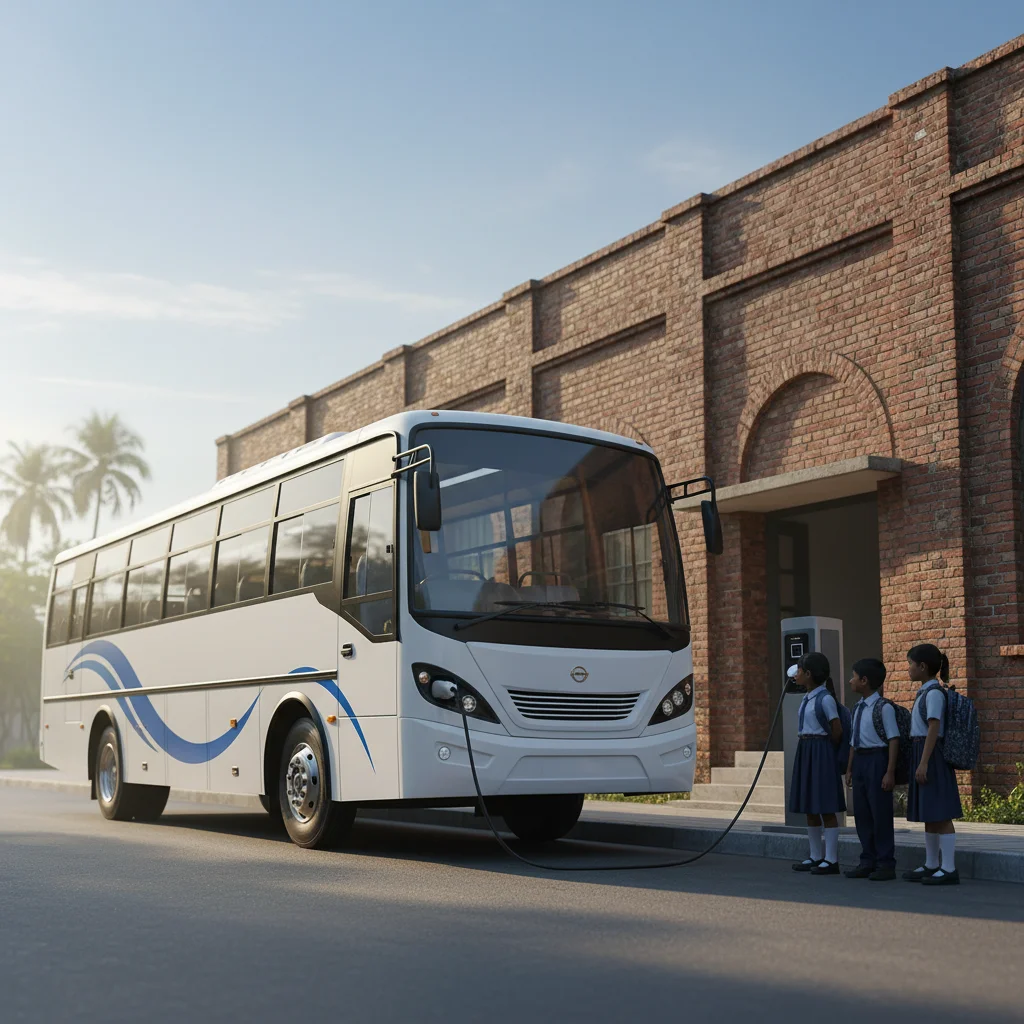
- •Tax exemption encourages adoption of electric buses for student transport
- •World Bank flags higher inflation and fiscal strain from energy shock
Pulse Analysis
Bangladesh’s energy dilemma stems from its heavy reliance on Middle East oil and gas, with 95 percent of imports sourced from a region now embroiled in conflict. Disruptions have driven up global energy prices, tightening the country’s balance of payments and prompting the government to impose curbs on fuel purchases and public‑sector power use. These measures reflect a broader regional trend where energy‑importing economies scramble to diversify supply and reduce consumption amid geopolitical volatility.
In response, the Ministry of Education announced a pilot hybrid schooling system that alternates physical and virtual lessons. Schools capable of delivering online instruction, boasting solid reputations and serving predominantly car‑commuting students, will run in‑person classes on Saturday, Monday and Wednesday, and virtual sessions on the remaining weekdays. The policy not only cuts electricity demand during peak hours but also aligns with a tax‑free import incentive for electric school buses, further lowering the sector’s carbon footprint and operating costs.
The initiative carries implications beyond immediate energy savings. By integrating digital learning at scale, Bangladesh could accelerate its education modernization agenda, improve resilience against future shocks, and potentially narrow urban‑rural disparities if infrastructure expands. However, success hinges on broadband availability, teacher training, and equitable access to devices. If the pilot proves effective, policymakers may broaden the model, positioning Bangladesh as a case study for other emerging economies confronting similar energy‑security challenges.
Bangladesh schools to go online in energy crunch
Comments
Want to join the conversation?
Loading comments...