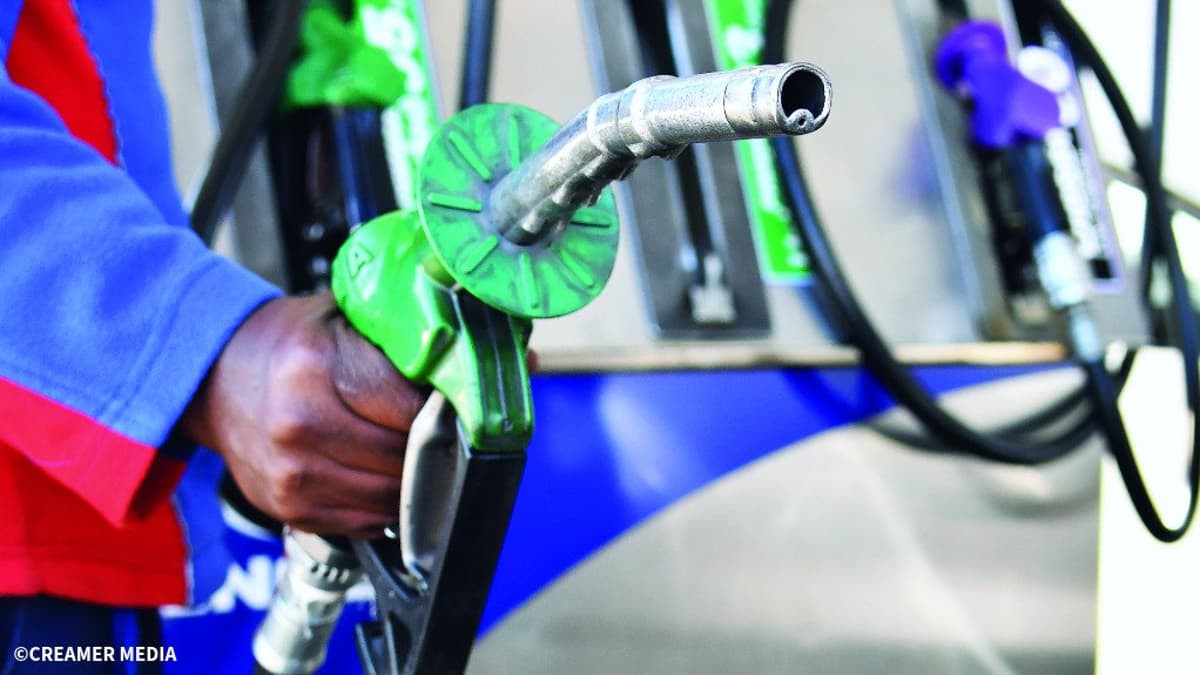
Basic Fuel Price Formula in Focus Amid Dramatic Shift in South Africa’s Supply Sources
Why It Matters
The formula change directly targets diesel price volatility, protecting consumers and preserving the competitiveness of South Africa’s diversified fuel market amid prolonged global supply disruptions.
Key Takeaways
- •South Africa shifted fuel imports from Gulf to Atlantic Basin.
- •Domestic refineries and coal‑to‑liquids plants now cover 40% of demand.
- •Diesel BFP formula being rewritten to match new supply costs.
- •R3 per litre fuel levy cut equals roughly $0.16 per litre.
- •Cabinet task team evaluates storage expansion and possible refinery reopenings.
Pulse Analysis
The war in the Middle East has rippled through global oil markets, prompting the IMF, World Bank and IEA to warn of a supply gap comparable to the 1970s oil crisis. South Africa, which previously sourced roughly 60% of its fuel from Gulf nations, has rapidly diversified its import portfolio toward the Atlantic Basin, tapping Brazil, Mexico and the United States. This strategic pivot, bolstered by robust domestic refining capacity at Natref and Sasol’s coal‑to‑liquids plants, has insulated the nation from immediate Gulf‑related disruptions and kept jet‑fuel supplies stable for local airports.
At the heart of the policy response is a revision of the Basic Fuel Price (BFP) formula for diesel. The existing BFP relied heavily on Gulf‑origin price benchmarks, freight and insurance costs that no longer reflect the reality of Atlantic‑sourced imports. By recalibrating the formula to incorporate new freight routes, storage fees and financing terms, the department hopes to eliminate the diesel surcharges that wholesalers have imposed to cover under‑recovered costs. Maintaining monthly price adjustments, rather than moving to more frequent changes, signals confidence that the revised BFP will deliver price stability without burdening consumers with administrative complexity.
Long‑term energy security remains a priority. The government’s Cabinet task team is assessing expanded strategic storage and the potential reopening of previously closed refineries to draw crude from other African producers. These measures, combined with the recent R3‑per‑litre (≈$0.16) fuel levy reduction, aim to cushion the economy against future shocks while ensuring that South Africa’s fuel market stays resilient, competitive, and less dependent on any single geopolitical corridor.
Basic Fuel Price formula in focus amid dramatic shift in South Africa’s supply sources
Comments
Want to join the conversation?
Loading comments...