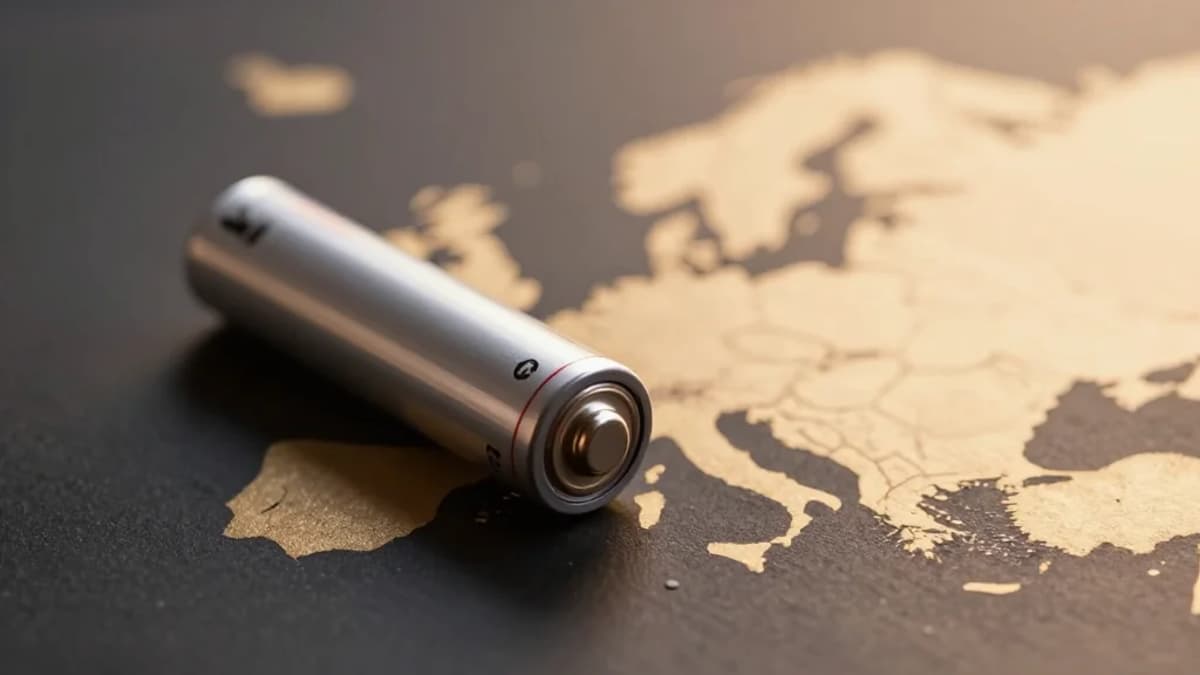
‘Battery Atlas 2026’ Maps Europe’s Cell, Pack and Battery Manufacturers
•March 9, 2026
0
Why It Matters
The atlas provides investors, OEMs and policymakers a clear view of capacity gaps and competitive dynamics, guiding strategic decisions in Europe’s fast‑evolving battery sector.
Key Takeaways
- •2023 announced >2,000 GWh cell capacity; 2026 forecast ~1,190 GWh
- •Asian firms control roughly 673 GWh of European capacity
- •Atlas lists over 200 companies across full battery ecosystem
- •Includes solid‑state battery developers and recycling industry players
- •Consolidation reduces oversupply risk and streamlines supply chain
Pulse Analysis
Europe’s battery landscape is at a crossroads. After a wave of announcements in 2023 that suggested more than 2,000 GWh of cell capacity, a sober reassessment now projects just under 1,200 GWh by early 2026. Asian manufacturers dominate roughly 57 % of that outlook, underscoring the continent’s pivotal role in supplying Europe’s electric‑vehicle ambitions while domestic players grapple with scaling challenges and capital constraints.
The Battery Atlas 2026 serves as a rare, publicly accessible intelligence hub. By cataloguing over 200 entities—from cell producers to module assemblers, equipment suppliers, active‑material firms, testing labs, recyclers and emerging solid‑state developers—it equips investors, automakers and regulators with granular insight into supply‑chain interdependencies. This level of transparency helps pinpoint bottlenecks, evaluate partnership opportunities, and benchmark progress against EU green‑energy targets, fostering a more coordinated industrial strategy.
For the broader market, the atlas signals a consolidation trend that could curb overcapacity and stabilize pricing. Stakeholders can leverage the data to align capital allocation with realistic demand forecasts, accelerate recycling loops, and prioritize next‑generation technologies that promise higher energy density and safety. As Europe seeks to reduce reliance on imports and meet its climate commitments, the Atlas becomes a strategic compass for shaping a resilient, locally‑sourced battery ecosystem.
‘Battery Atlas 2026’ maps Europe’s cell, pack and battery manufacturers
0
Comments
Want to join the conversation?
Loading comments...