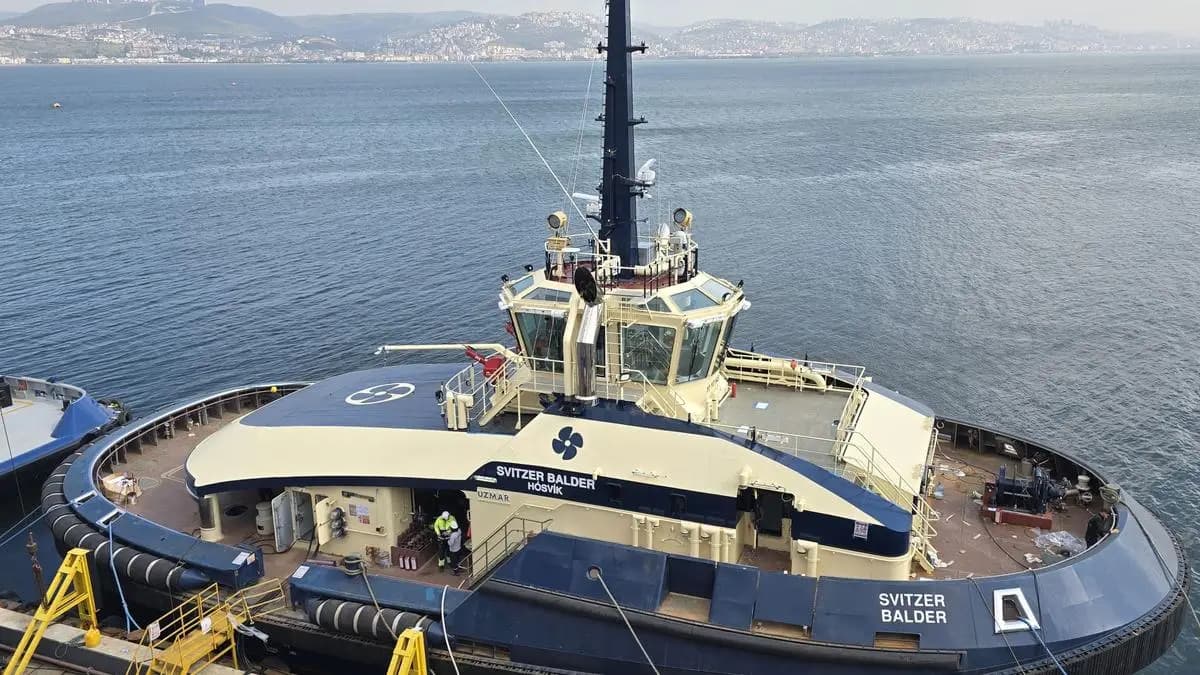
Battery-Methanol Tug Clears Sea Trials
Why It Matters
The tug demonstrates a viable pathway to decarbonise short‑haul maritime operations, while regulatory momentum at IMO could accelerate broader adoption of low‑carbon propulsion across the shipping industry.
Key Takeaways
- •Svitzer Balder completed sea trials, first battery‑methanol tug globally
- •Will perform >90% of Gothenburg port towing in zero‑emission mode
- •Built by Uzmar Shipyard in Turkey for Andorra‑based AYK Energy
- •IMO MEPC‑84 discussions focus on a global emissions‑reduction framework
- •Industry has invested $150 billion in dual‑fuel vessels, yet further action required
Pulse Analysis
The maritime sector is under intense pressure to cut greenhouse‑gas emissions, and innovative propulsion systems are emerging as a cornerstone of that transition. Battery‑methanol technology, exemplified by AYK Energy’s Svitzer Balder, merges the instant torque and zero‑local‑pollution benefits of electric drive with the energy density and existing infrastructure of methanol. Completing sea trials marks a critical validation step, confirming that the tug can meet the demanding power requirements of harbour operations while delivering a truly zero‑emission profile.
Port authorities are keen to replicate the Gothenburg model, where Svitzer Balder is expected to handle the majority of towing and docking maneuvers without emitting pollutants. By eliminating local exhaust, the vessel can dramatically improve air quality for nearby communities and reduce the carbon footprint of cargo movements. The successful deployment could spur other major ports to commission similar hybrid tugs, creating a ripple effect that accelerates fleet‑wide electrification and encourages shipbuilders to prioritize flexible, low‑carbon powertrains.
Regulatory momentum is equally pivotal. At the recent IMO Marine Environment Protection Committee meeting, the World Shipping Council underscored the necessity of a cohesive global framework to translate existing investments—over $150 billion in dual‑fuel ships—into tangible emission cuts. While dual‑fuel vessels lower sulfur and nitrogen oxides, they still rely on fossil fuels. The emergence of battery‑methanol solutions like Svitzer Balder offers a complementary pathway, but widespread impact hinges on clear policy signals, incentives, and standardized reporting. Together, technology advances and decisive regulation could reshape the economics of maritime transport, steering the industry toward a net‑zero future.
Battery-methanol tug clears sea trials
Comments
Want to join the conversation?
Loading comments...