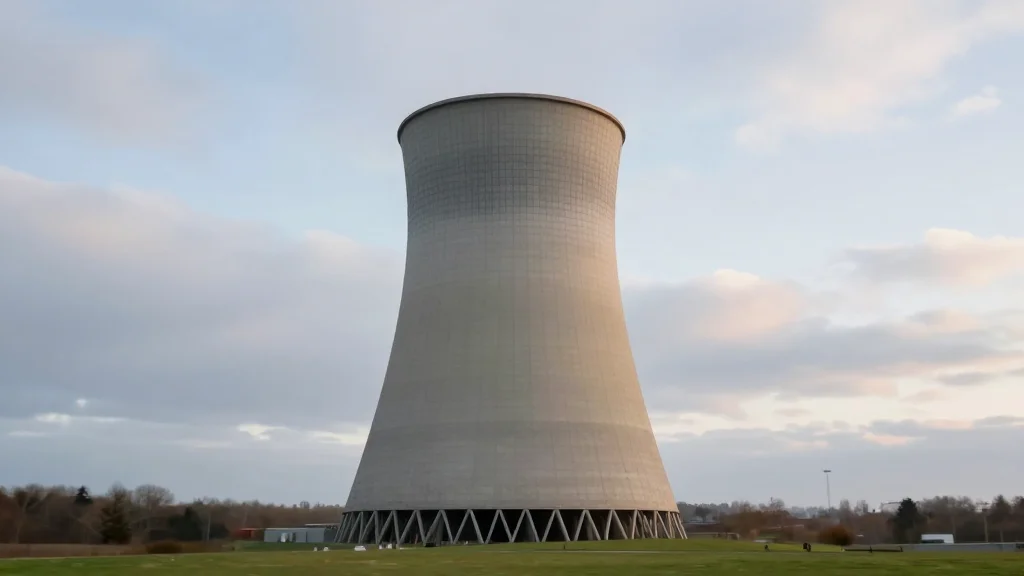
Belgian Government Considers State Takeover Of Engie’s Nuclear Power Plants
Companies Mentioned
Why It Matters
Nationalizing the reactors would shift Belgium back toward nuclear reliance, securing baseload power amid renewable integration challenges. The financial commitments also expose the state to significant fiscal risk but could stabilize electricity prices through a contract‑for‑difference scheme.
Key Takeaways
- •Belgium may nationalize Eng's nuclear assets, reversing phase‑out
- •Two reactors slated for 10‑year extension until 2035
- •Modernization costs estimated at $1.7‑$2.2 billion
- •State will fund $627 million loans and $16.2 billion waste liability
- •Contract‑for‑difference guarantees revenue for nuclear output
Pulse Analysis
Belgium’s nuclear strategy has been defined by the 2003 phase‑out law, which has already led to the permanent shutdown of five of its seven reactors. The remaining two units, Doel 4 and Tihange 3, received a ten‑year lifetime extension that pushes their operation to 2035, but the government’s latest move to assess a full state takeover of Engie’s nuclear portfolio signals a dramatic policy reversal. By pausing decommissioning and launching a due‑diligence review, Brussels is testing whether public ownership can replace the private exit strategy that Engie has pursued in favor of renewables and battery storage.
The financial stakes are substantial. Modernising the ageing reactors is projected to cost between $1.7 billion and $2.2 billion, while the state has earmarked roughly $627 million in loans to cover operating expenses through 2028. Engie will also settle a €15 billion ($16.2 billion) lump‑sum to cover future nuclear waste disposal, shifting long‑term liability to the public sector. A contract‑for‑difference mechanism guarantees a reference price for nuclear electricity, insulating generators from market volatility and providing a predictable revenue stream that can attract further investment.
If the takeover materialises, Belgium could secure a reliable baseload source while it expands wind, solar and storage capacity, addressing concerns about intermittency and grid stability. The move also sets a precedent for other EU members grappling with aging nuclear fleets and the fiscal burden of decommissioning. However, the added debt and waste obligations raise questions about cost‑effectiveness compared with accelerated renewable deployment. Stakeholders will watch closely as regulators evaluate safety, competition and climate objectives, making the outcome a bellwether for Europe’s broader energy transition.
Belgian Government Considers State Takeover Of Engie’s Nuclear Power Plants
Comments
Want to join the conversation?
Loading comments...