
Companies Mentioned
Why It Matters
Reversing Belgium’s nuclear phase‑out reshapes the country’s energy mix, bolsters supply security and aligns with EU climate targets, while signaling a broader European shift toward state‑led nuclear revitalization.
Key Takeaways
- •Belgium will acquire all seven reactors from Engie
- •Two reactors remain operational; licences extended to 2035
- •Decommissioning of five shut reactors will be paused
- •Goal: boost energy security and meet climate targets
- •Deal expected by Oct. 1, signaling policy shift
Pulse Analysis
Belgium’s nuclear strategy has been in flux since the early 2000s, when legislation capped reactor lifespans at 40 years and barred new builds. The country now relies heavily on imported gas and electricity, exposing it to volatile markets and geopolitical risks. Extending the operating licences of Doel and Tihange to 2035 was a stop‑gap measure, but the broader policy reversal underscores a recognition that nuclear energy remains a cornerstone of a low‑carbon, reliable power system.
The proposed full acquisition of the seven reactors from Engie marks a decisive shift toward state ownership. By suspending the decommissioning of five reactors that were shut between 2022 and 2025, Belgium preserves existing generation capacity while laying groundwork for future nuclear projects. Although financial terms have not been disclosed, the October 1 deadline suggests a rapid negotiation, likely involving state guarantees or public‑private financing structures. The move is positioned as a response to energy‑security concerns heightened by the Russia‑Ukraine conflict and the EU’s push for decarbonisation, offering a domestically controlled source of baseload power.
Regionally, Belgium’s policy pivot may accelerate a modest nuclear renaissance across Europe. Countries such as France, the United Kingdom and Poland are already reassessing the role of nuclear in meeting climate commitments and reducing dependence on fossil fuel imports. Belgium’s nationalisation could attract private investors to new build projects, stimulate supply‑chain activity, and provide a template for other states weighing similar interventions. As the EU tightens emissions standards, the strategic value of nuclear—offering zero‑carbon, dispatchable electricity—will likely become an increasingly attractive component of national energy roadmaps.
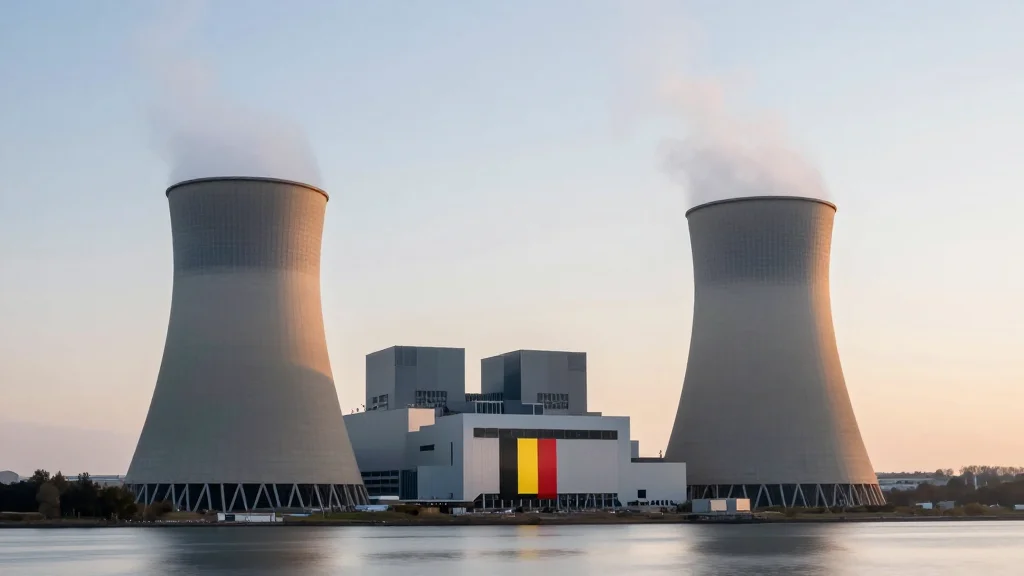
Belgium Plans To Nationalize Nuclear Power Plants
Comments
Want to join the conversation?
Loading comments...