Beyond Green Extractivism: Asean's Security Depends on Justice
Why It Matters
The analysis highlights that ASEAN’s energy choices will shape regional stability, climate justice, and global supply chains for renewable technologies. A just transition is essential to prevent deepening inequality and geopolitical risk.
Key Takeaways
- •ASEAN's energy plan still leans on natural gas pipelines.
- •Region holds ~25% of world nickel, fueling green transition.
- •Mining rush threatens Indigenous rights and ecosystems.
- •Calls for grant‑based financing instead of debt‑laden loans.
- •Reject investor‑state dispute settlements to protect climate policies.
Pulse Analysis
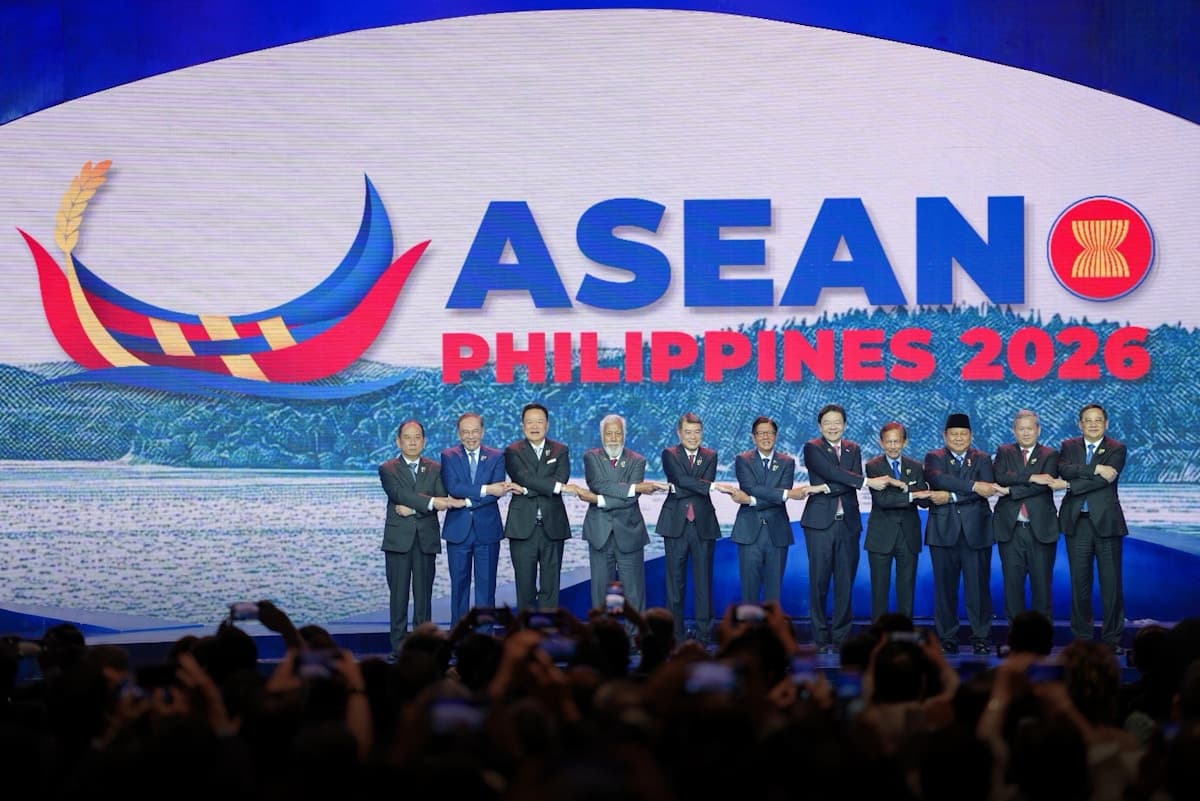
The Cebu summit arrived as the Strait of Hormuz dispute threatened roughly 20 percent of global oil flow, sending fuel, food and transport costs soaring across Southeast Asia. Vulnerable groups—Indigenous communities, fishers and small‑scale farmers—felt the brunt of energy poverty, underscoring how fragile fossil‑fuel dependence jeopardizes both economic security and climate resilience. This backdrop forced ASEAN leaders to confront the gap between rhetoric and reality in their 2026‑2030 Energy Cooperation plan, which still leans heavily on natural‑gas corridors and oil stockpiling.
Beyond the immediate crisis, the region sits atop a mineral treasure trove that powers the global green transition. Indonesia and the Philippines together hold nearly a quarter of the world’s nickel, alongside substantial copper and rare‑earth deposits. The surge in demand has sparked a rapid extraction push that often sidesteps Free, Prior and Informed Consent, leaving Indigenous peoples exposed to land loss, toxic waste and mounting debt. Critics label this "green extractivism" as a new colonial dynamic, where the Global North’s decarbonisation agenda transfers environmental and social costs to Southeast Asian communities.
Policy experts argue that a truly just transition must embed rights‑based mineral governance into national climate plans and the upcoming Just Transition Mechanism at COP 31. They call for grant‑funded financing rather than loan‑driven models that exacerbate fiscal strain, and for the outright rejection of investor‑state dispute settlement clauses that can undermine public‑interest climate measures. By aligning energy security with climate justice, ASEAN can turn its mineral advantage into a catalyst for inclusive growth, rather than a repeat of extractive exploitation.
Beyond green extractivism: Asean's security depends on justice
Comments
Want to join the conversation?
Loading comments...