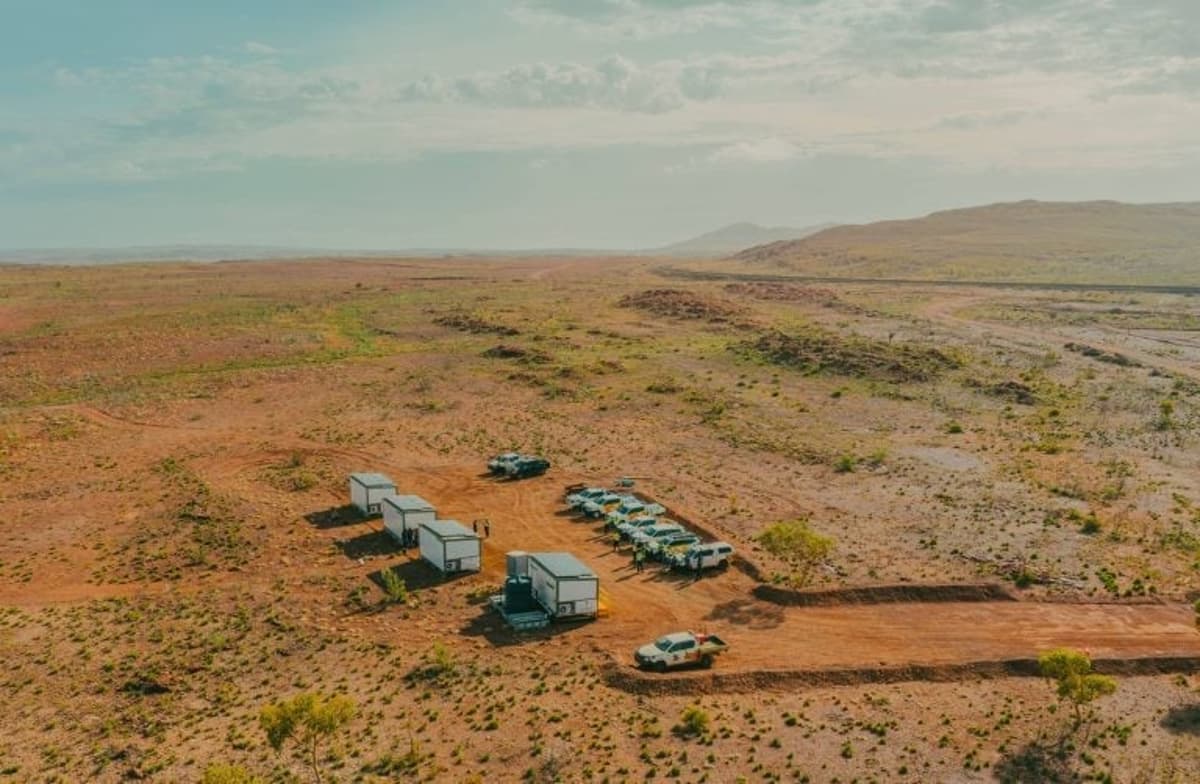
BHP Turns to Indigenous-Led Developer to Explore Renewables for Iron Ore Operations in Western Australia
Companies Mentioned
Why It Matters
The collaboration could accelerate the Pilbara’s transition from fossil‑fuel power to renewable energy, lowering emissions and operating costs for one of the world’s largest iron‑ore producers while delivering economic benefits to Indigenous communities.
Key Takeaways
- •BHP, YEC sign MoU to study renewable power for Pilbara mines
- •Baru‑Marnda project targets up to 1.5 GW of solar, wind, storage
- •BHP aims 30% emissions cut by 2030, net‑zero by 2050
- •Transmission corridor seeks to link YEC projects to state grid
Pulse Analysis
The BHP‑YEC memorandum of understanding marks a rare convergence of a global mining giant and an Indigenous‑led renewable developer. YEC, backed by the Yindjibarndi Aboriginal Corporation and ACEN, brings a 3 GW pipeline that includes the 500 MW solar and up to 1 GW wind Baru‑Marnda project. By pairing local land‑owner knowledge with BHP’s technical expertise, the partnership could unlock scalable, low‑carbon electricity for the remote Pilbara, where power has traditionally come from a 190 MW gas‑fired plant and diesel‑intensive equipment.
BHP’s Pilbara operations currently consume about 1,500 megalitres of diesel annually and rely on an islanded grid, making them vulnerable to fuel price volatility and carbon regulations. The company has already piloted solar‑plus‑storage at its Nickel West site, and the new MoU could extend similar solutions to its iron‑ore mines, rail network and Port Hedland facilities. Achieving the 30% emissions reduction target by 2030 will likely require a mix of on‑site generation, battery storage and high‑voltage transmission that can deliver reliable power at scale, reducing both greenhouse‑gas output and operational expenditures.
Beyond BHP, the initiative underscores a broader shift in Australia’s resource sector toward Indigenous participation in clean‑energy projects. The Chichester Range Transmission Corridor, slated to connect YEC’s developments to the North West Interconnected System, has been fast‑tracked under the National Renewable Energy Priority List, offering a template for other miners and heavy‑industry users. As YEC secures power purchase agreements with firms like Rio Tinto, the Pilbara could become a showcase of how traditional owners, renewable developers, and extractive companies collaborate to meet climate goals while generating lasting economic and social benefits for local communities.
BHP turns to Indigenous-led developer to explore renewables for iron ore operations in Western Australia
Comments
Want to join the conversation?
Loading comments...