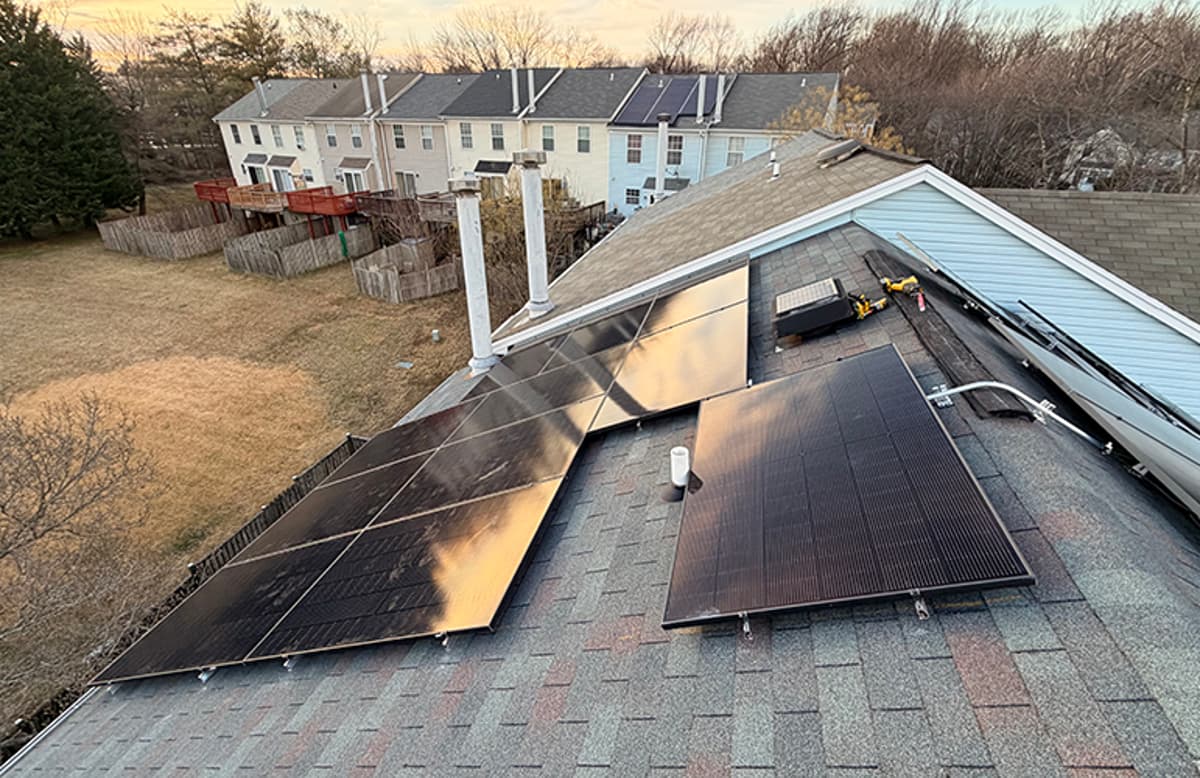
Billie Eilish’s Climate Fund Supports Solar Project for Maryland Affordable Housing
Why It Matters
By slashing utility bills, the solar installation frees critical budget for mental‑health care, demonstrating how clean‑energy financing can amplify social‑impact outcomes in affordable‑housing sectors.
Key Takeaways
- •270 kW solar capacity installed on 40 affordable townhomes.
- •Project saves Housing Unlimited $500,000 in energy costs over lifespan.
- •RE‑volv and Montgomery County Green Bank financed the initiative.
- •Billie Eilish’s Changemaker grant enabled the solar deployment.
- •Solar reduces utility expenses, freeing funds for mental‑health services.
Pulse Analysis
Across the United States, solar installations are increasingly targeting affordable‑housing portfolios as a way to lower operating costs and improve tenant stability. The Montgomery County project aligns with a growing policy push that encourages municipalities to pair renewable energy with social services, leveraging tax incentives and low‑interest green financing to make projects financially viable. By adding 270 kW of distributed generation, the development not only reduces carbon emissions but also creates a replicable model for other jurisdictions seeking to meet climate goals while addressing housing affordability.
The financing structure behind the Maryland initiative showcases how nonprofit capital can be mobilized through strategic partnerships. RE‑volv, a clean‑energy nonprofit, collaborated with the Montgomery County Green Bank—a public‑private entity that offers favorable loan terms for sustainability projects. The additional grant from Billie Eilish’s Changemaker Program provided the seed funding needed to bridge the gap between upfront costs and long‑term savings. This multi‑layered approach demonstrates that celebrity‑driven philanthropy, when combined with local green banks, can accelerate deployment of solar assets in sectors that traditionally lack access to capital.
For Housing Unlimited, the solar arrays translate directly into programmatic benefits. The projected $500,000 reduction in utility expenses allows the organization to expand its mental‑health staffing and add more housing units, directly supporting recovery outcomes for over 260 adults. The success of this project underscores a broader market insight: clean‑energy investments can serve as a catalyst for social impact, delivering both environmental returns and enhanced service capacity. As more nonprofits recognize this dual value proposition, the intersection of renewable energy and community services is poised for rapid growth.
Billie Eilish’s climate fund supports solar project for Maryland affordable housing
Comments
Want to join the conversation?
Loading comments...