Biofuel Subsidies Set to Be Extended as War Grinds On
Why It Matters
Extending the subsidies shields Thailand from fuel price spikes and reduces reliance on imported oil, while bolstering domestic agriculture and emerging bio‑based industries.
Key Takeaways
- •Subsidies may extend past September to ensure energy security
- •Oil reserves cover only 103 days, highlighting vulnerability
- •Biofuel blend prices stay lower than conventional fuels
- •Extension may need executive decree, avoiding lengthy legislative process
- •Biofuels aid farmers and serve as raw material for cosmetics
Pulse Analysis
Thailand’s biofuel subsidy extension reflects a broader strategic shift as the nation grapples with heightened oil price volatility linked to the Iran conflict. With national oil reserves sufficient for just over three months of demand, policymakers view the Oil Fuel Fund as a vital buffer. By keeping ethanol‑rich Gasohol E20 at roughly $1.04 per litre and methyl‑ester‑rich Diesel B20 at $0.97, the government not only cushions consumers but also curtails the fiscal shock of sudden import cost surges. This price advantage underscores biofuels’ role in the country’s energy mix during geopolitical turbulence.
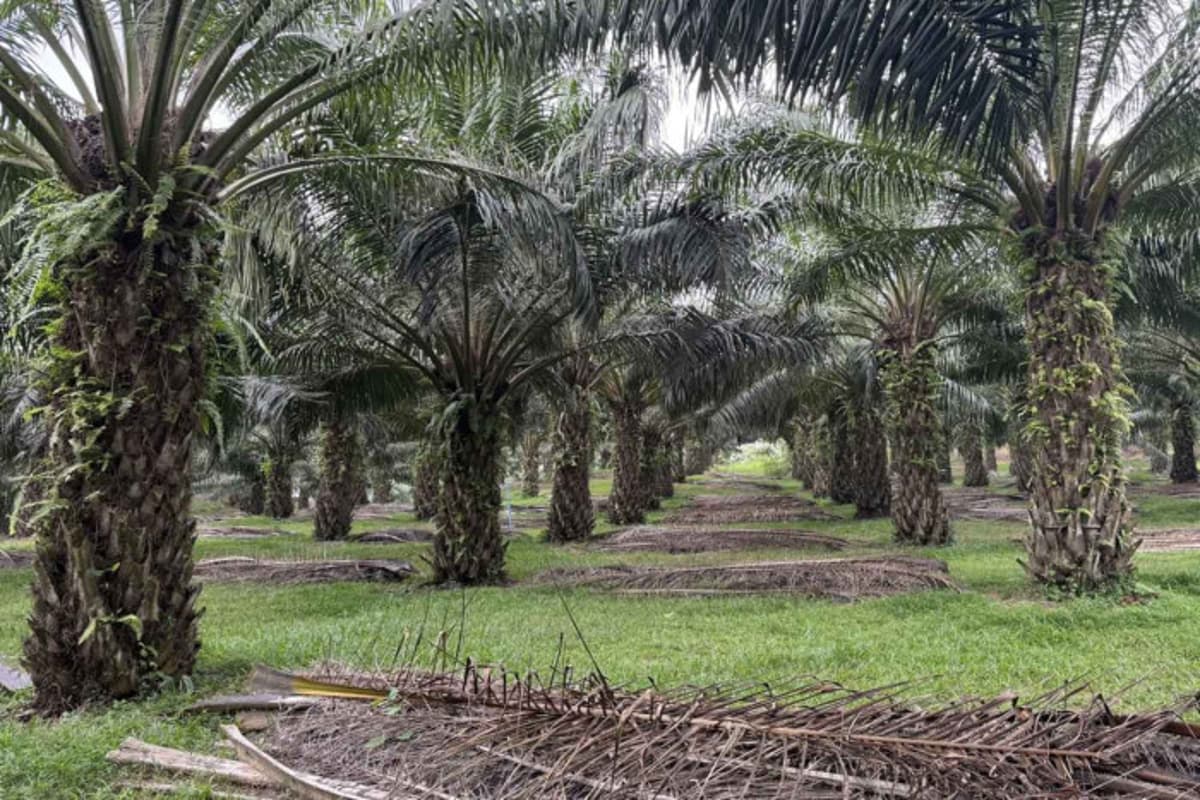
Beyond immediate price relief, the subsidy regime fuels rural economies. Sugar‑cane and cassava growers supplying ethanol, alongside palm‑oil producers for methyl ester, benefit from stable demand, which in turn supports household incomes in Thailand’s agrarian regions. The lower‑cost blends also diminish the nation’s dependence on imported fossil fuels, improving the trade balance and contributing to carbon‑reduction targets. Moreover, ethanol and methyl ester are gaining traction as feedstocks for cosmetics and other industrial applications, diversifying revenue streams for farmers and encouraging value‑added processing.
Policy‑wise, extending the subsidies before the September 24 cutoff poses legislative challenges. Amending the 2019 Oil Fuel Fund Act could take years, prompting officials to consider an executive decree for rapid implementation. Such a move would signal the government’s willingness to act decisively amid fast‑changing Middle‑East dynamics. Looking ahead, even if the regional conflict eases, Thailand is likely to maintain a robust biofuel agenda, leveraging the sector’s dual benefits for energy security and agricultural development.
Biofuel subsidies set to be extended as war grinds on
Comments
Want to join the conversation?
Loading comments...