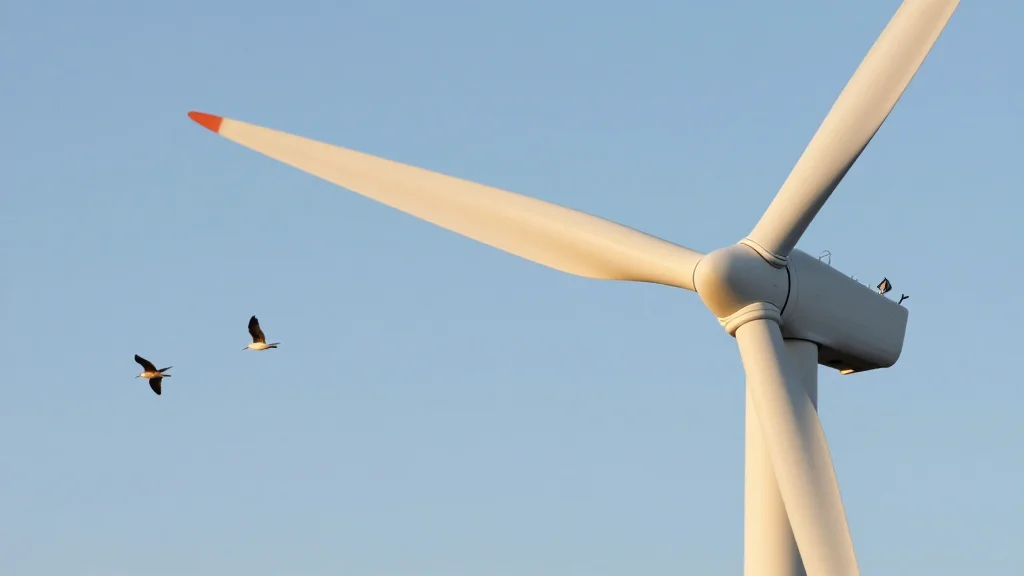
“Birds Avoid Turbines:” Two New Studies Suggest Wind Farms Are Not “Killing Machines” After All
Companies Mentioned
Why It Matters
The findings challenge long‑standing assumptions about turbine‑related bird deaths, easing regulatory pressure and supporting continued offshore wind expansion. Accurate risk data enable smarter mitigation and more credible environmental assessments.
Key Takeaways
- •Collision risk <0.002% per turbine, far below estimates
- •99.87% of birds avoid turbines at night
- •Birds alter flight 100‑200 m before rotors
- •Pre‑construction models overestimated collisions by ~7,000×
- •AI monitoring provides continuous, large‑scale avian data
Pulse Analysis
Renewable energy developers have long grappled with the perception that wind turbines are bird‑killing machines, a narrative that has fueled costly mitigation measures and regulatory scrutiny. The two new studies, one commissioned by Germany’s offshore wind association and the other by Sweden’s Vattenfall in partnership with Norwegian software firm Spoor, bring high‑resolution radar, AI‑driven cameras, and extensive field surveys to bear on the issue. By tracking millions of individual flights across migratory seasons, researchers were able to quantify avoidance behavior rather than rely on carcass counts alone, revealing avoidance rates exceeding 99.8% and collision probabilities measured in thousandths of a percent.
Methodologically, the German study deployed an AI‑controlled bird‑radar system at Windtestfeld Nord, integrating stereo‑camera data with on‑site carcass searches to validate its collision‑risk model. The Scottish investigation used continuous daylight monitoring to log 137,000 bird passages, flagging only five dubious collision events that expert ornithologists later dismissed. Both projects uncovered a stark mismatch between pre‑construction impact assessments— which projected roughly eight collisions per turbine annually— and observed outcomes, a discrepancy of nearly 7,000‑fold. This suggests that traditional models may be overly conservative, potentially inflating the perceived environmental cost of offshore wind projects.
The implications extend beyond academic debate. Policymakers and investors can now reference robust, data‑driven evidence when evaluating new wind farm permits, potentially streamlining approval processes and reducing unnecessary mitigation spending. Moreover, the success of AI‑enabled monitoring underscores a path forward for continuous, real‑time biodiversity oversight, allowing operators to adapt turbine operations dynamically if avian activity spikes. As the global push for clean energy accelerates, these findings help reconcile renewable growth with wildlife protection, reinforcing wind power’s role in a sustainable energy mix.
“Birds avoid turbines:” Two new studies suggest wind farms are not “killing machines” after all
Comments
Want to join the conversation?
Loading comments...