Blu Label Says It Can Help Fix Municipal Electricity Revenue Problems in South Africa
Companies Mentioned
Why It Matters
Municipal revenue shortfalls threaten Eskom’s financial stability and power supply continuity, so improving billing and collection directly supports South Africa’s energy security and fiscal health. BluEnergy’s solution could unlock billions of rand in recoverable revenue while accelerating decentralized green‑energy adoption.
Key Takeaways
- •BluEnergy targets billing errors causing tens of billions rand lost annually
- •Eskom reports municipal arrears at R116 billion (~$6.3 billion) and rising
- •65% of electricity consumption comes from large power users, a key focus
- •Blu's prepaid platform, Cigicell, handles over 60% of SA top‑ups
- •Micro‑grid projects (10‑20 MW) aim to complement, not replace, national grid
Pulse Analysis
South Africa’s power sector is at a crossroads, with Eskom’s municipal debt now exceeding R116 billion (approximately $6.3 billion) and projections suggesting a climb to R358 billion ($19.3 billion) by 2031. The bulk of this shortfall stems from inaccurate billing and weak collection practices, especially among industrial and commercial consumers that represent 65% of total usage. Municipalities continue to purchase electricity correctly but fail to invoice or collect payments, creating a revenue vacuum that jeopardizes both local budgets and Eskom’s ability to maintain supply reliability.
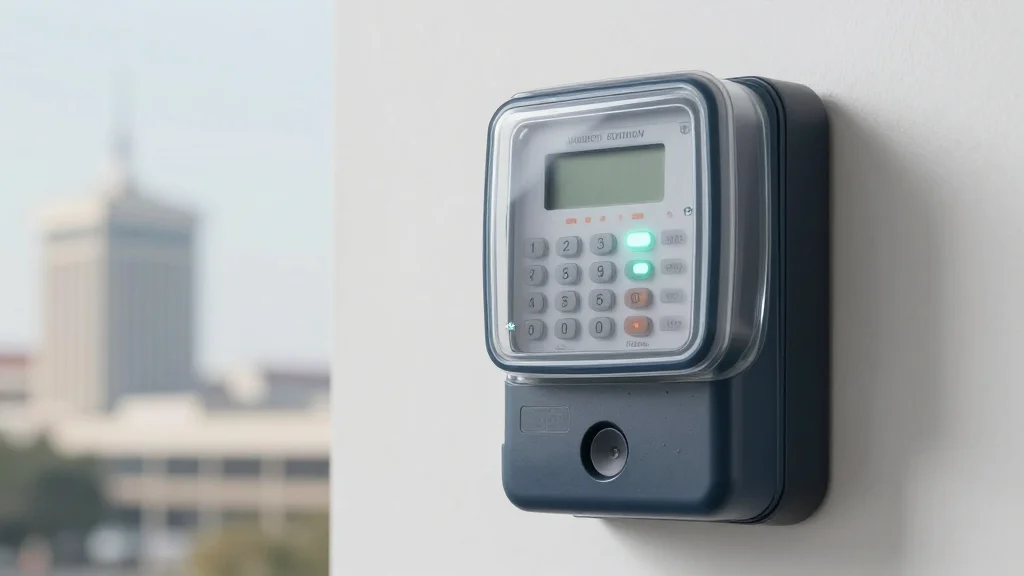
Blu Label’s BluEnergy unit is positioning itself as a remedial force by leveraging its deep data insights from Cigicell, the country’s dominant prepaid electricity platform handling more than 60% of top‑ups. The company’s at‑risk model scans consumption patterns to pinpoint lost or stolen electricity, then offers municipalities a reward mechanism for recovered revenue. This approach not only promises to recover tens of billions of rand each year but also aligns with Eskom’s broader Distribution Agency Agreements, which aim to improve smart‑meter deployment and revenue‑collection support across the nation.
Beyond immediate cash‑flow fixes, BluEnergy is betting on a future of decentralized energy generation. By developing 10‑20 MW micro‑grids that plug directly into municipal substations, the firm intends to complement the national grid rather than replace it, reducing concentration risk and providing a scalable pathway for renewable integration. As AI, data centres, and automation drive up electricity demand, such localized solutions could become critical for meeting power needs while safeguarding fiscal stability, making BluEnergy’s dual focus on revenue recovery and green‑energy deployment a compelling proposition for South Africa’s evolving power landscape.
Blu Label says it can help fix municipal electricity revenue problems in South Africa
Comments
Want to join the conversation?
Loading comments...