BMW and Eon Cooperate on V2G: BMW and Eon Launch First Commercial Vehicle-to-Grid Offering in Germany
Companies Mentioned
Why It Matters
The service turns electric cars into distributed energy storage, supporting Germany’s renewable integration and creating new revenue streams for owners. It also showcases a scalable business model that could accelerate V2G adoption across Europe.
Key Takeaways
- •BMW and Eon launch Germany's first commercial V2G service.
- •iX3 owners earn up to €720 annual bonus via V2G.
- •€0.40 per kWh paid for electricity fed back to grid.
- •First 100 customers receive €700 discount on BMW Wallbox.
- •Smart algorithm automates charging, discharging, optimizing energy costs.
Pulse Analysis
Vehicle‑to‑grid technology is emerging as a cornerstone of the energy transition, allowing electric‑vehicle batteries to act as flexible storage assets that balance supply and demand. In markets like Germany, where renewable penetration is high and grid congestion is a growing concern, V2G can provide ancillary services, peak‑shaving, and grid‑stability benefits. By monetising idle battery capacity, V2G also creates a new value proposition for EV owners, turning a traditionally passive asset into an active revenue source.
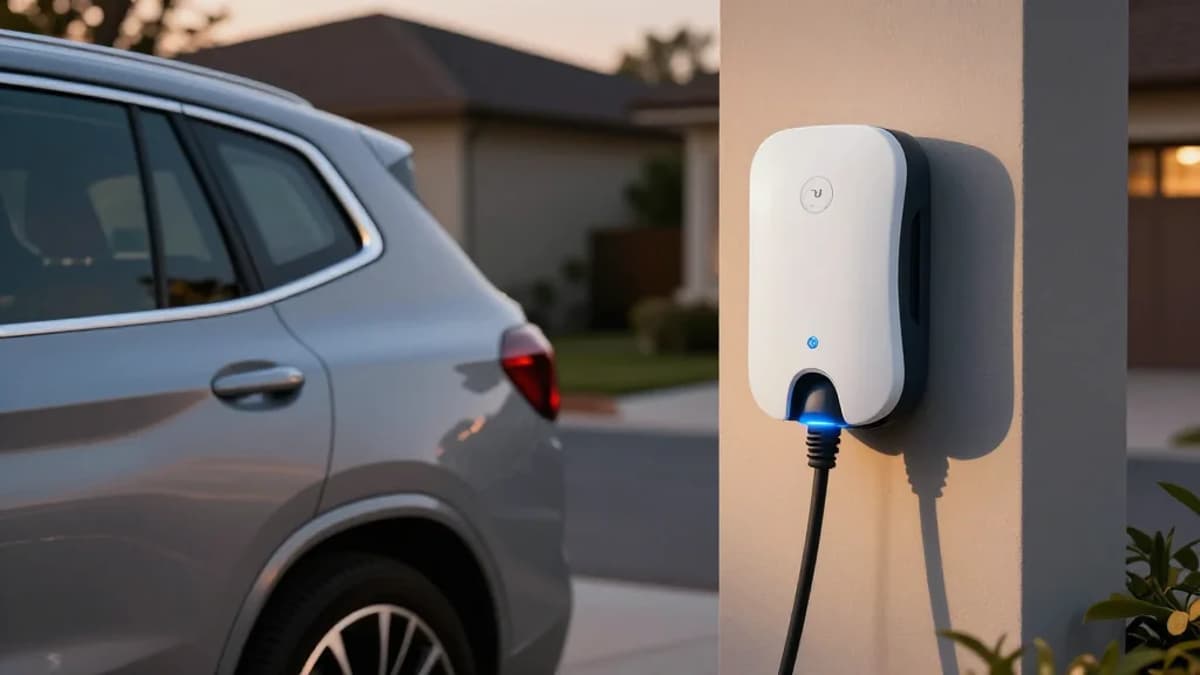
BMW’s collaboration with Eon leverages both automotive engineering and utility expertise to deliver a turnkey V2G solution. The offering bundles a bidirectional Wallbox Professional, a specialized electricity tariff, and a smart meter, all coordinated through the My BMW app. Financial incentives—up to €720 yearly bonuses and €0.40 per kilowatt‑hour exported—are designed to offset vehicle operating costs and encourage participation. Early adopters receive a €700 wallbox discount, underscoring the partnership’s commitment to rapid market penetration and consumer adoption.
The rollout signals a broader shift toward integrated mobility‑energy ecosystems. As utilities seek distributed resources to defer infrastructure upgrades, and automakers aim to differentiate their EV portfolios, V2G could become a standard feature in future vehicle line‑ups. However, scalability will depend on regulatory clarity, standardized communication protocols, and the economics of battery degradation. If these challenges are addressed, the BMW‑Eon model may serve as a blueprint for other markets, accelerating the convergence of transportation electrification and renewable grid integration.
BMW and Eon cooperate on V2G: BMW and Eon Launch First Commercial Vehicle-to-Grid Offering in Germany


Comments
Want to join the conversation?
Loading comments...